
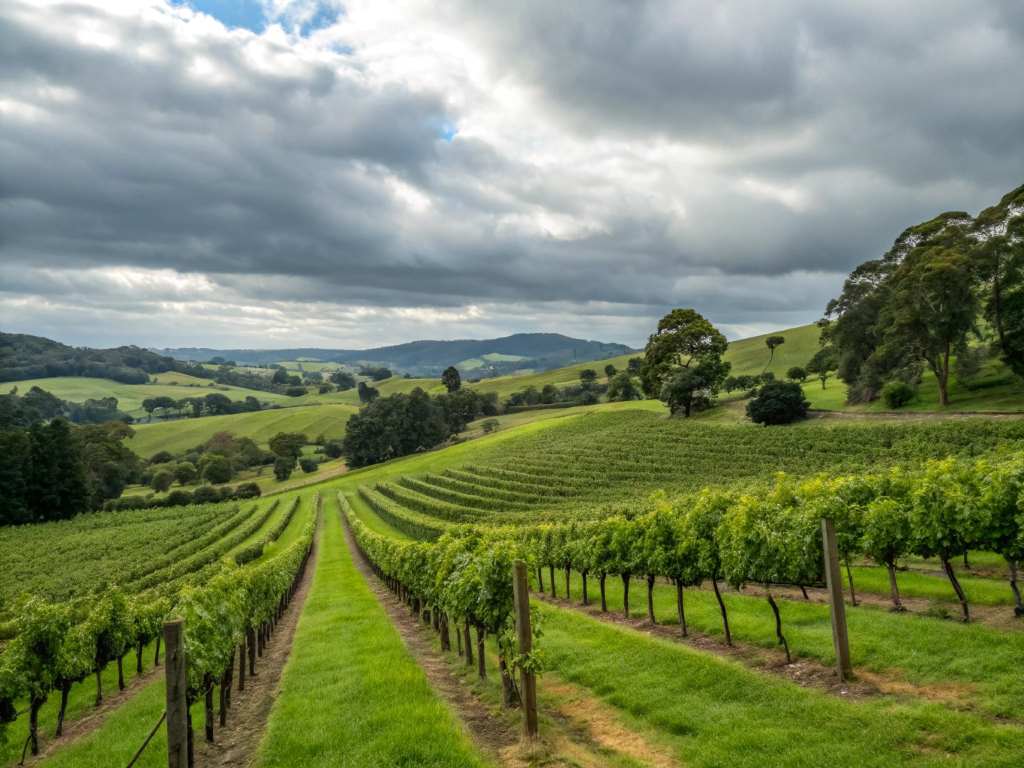
Nestled off Australia’s southern coast, Tasmania crafts some of the world’s finest cool-climate wines. Its chilly, maritime climate creates elegant, aromatic wines with vibrant acidity. From sparkling wines rivaling Champagne to silky Pinot Noirs, Tasmania’s cool-climate wines captivate wine lovers. My first sip of a Tasmanian Chardonnay at a cozy Hobart cellar door left me enchanted by its crisp apple notes. This island’s unique terroir, shaped by ocean breezes and ancient soils, produces wines of unmatched finesse. Join me on a storytelling journey to discover why Tasmania’s cool-climate wines are a global treasure, perfect for sipping and savoring.
The Magic of Tasmania’s Cool-Climate Terroir
Tasmania’s cool-climate wines owe their charm to the island’s unique geography. Surrounded by the Southern Ocean, Tasmania enjoys a maritime climate with mild summers and cool autumns. According to Wine Australia, Tasmania’s mean January temperature is just 15.6°C, ideal for slow grape ripening. This extended growing season enhances flavor complexity, producing wines with high acidity and intense aromas. The island’s diverse soils, from sandstone to volcanic, add distinct character to each bottle. For instance, Tamar Valley’s limestone-clay soils yield vibrant Pinot Noirs.
Visiting Pipers Brook Vineyard, I marveled at how the misty mornings and ocean gusts shaped their crisp Rieslings. The terroir’s influence is undeniable, creating cool-climate wines that balance elegance and intensity. Winemakers here embrace the challenges of frost and variable weather, crafting bottles that tell the story of Tasmania’s pristine landscape.
A Legacy of Winemaking in Tasmania
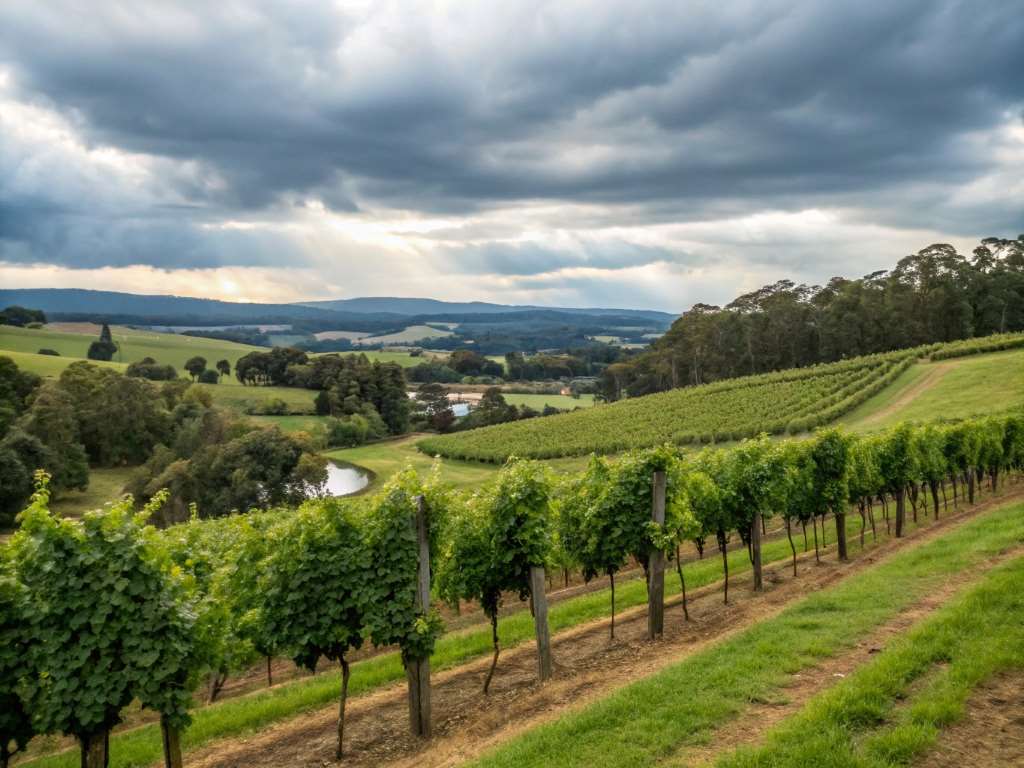
Tasmania’s winemaking history dates back to 1823, when the first vines were planted. However, the industry faded until the 1950s, when European migrants revived it, recognizing similarities to their homeland’s cool climates. By the 1990s, Tasmania’s wine sector exploded, with 2,400 hectares of vineyards today, per Wine Tasmania. The island’s cool-climate wines, especially sparkling varieties, gained global acclaim. In 1826, Tasmania produced Australia’s first sparkling wine, showcased in Paris by 1848.
Walking through Josef Chromy’s vineyard, I felt the weight of this history. The winery’s Art of Sparkling experience let me craft my own bubbly, connecting me to Tasmania’s pioneering spirit. Today, the island’s 160 licensed producers create premium wines, proving that cool-climate wines thrive in this remote paradise.
Key Varieties of Tasmanian Cool-Climate Wines
Tasmania’s cool-climate wines shine through specific grape varieties, each excelling in the island’s unique conditions. Here are the standouts:
- Pinot Noir: Comprising 50% of plantings, it delivers silky, strawberry-scented reds.
- Chardonnay: Known for saline, crisp whites, often used in sparkling wines.
- Riesling: Offers steely, citrus-driven flavors, perfect for aging.
- Sauvignon Blanc: Features nectarine and peppery notes, distinct from other regions.
- Pinot Gris: Delivers fragrant, full-flavored whites with honeyed depth.
These varieties thrive due to Tasmania’s long, sunny autumns, as noted by Wine Australia. Sipping a Devil’s Corner Pinot Noir by Freycinet’s coast, I tasted the wild berry notes shaped by the region’s cool climate. These wines pair beautifully with Tasmania’s fresh seafood, making them a foodie’s delight.
Exploring Tasmania’s Wine Regions
Tasmania boasts seven distinct wine regions, each contributing to its cool-climate wines. The Tamar Valley, north of Launceston, is the oldest, producing stunning Chardonnays and Pinot Noirs. Pipers River, with its Champagne-like climate, excels in sparkling wines. The East Coast, home to Devil’s Corner, offers scenic vineyards and crisp whites. Southern regions like Coal River Valley and Derwent Valley craft elegant Pinot Noirs and Chardonnays.
My visit to Bream Creek Vineyard on the East Coast was unforgettable. The rolling hills and ocean views paired perfectly with their zesty Riesling. According to Wine Tasmania, the island produces 895,000 bottles annually, worth $420 million. These regions’ diversity ensures a range of cool-climate wines, from bold reds to delicate sparklers, inviting exploration.
The Rise of Sparkling Wines in Tasmania
Tasmania’s cool-climate wines include world-class sparkling varieties, often compared to Champagne. The island’s long growing season and high acidity create ideal conditions for traditional-method sparklers. Wineries like House of Arras, Clover Hill, and Jansz lead the charge. Curly Haslam Coates, a wine writer, ranks Tasmanian bubbles among the world’s top three. Their complexity comes from extended lees aging, as seen in Henskens Rankin’s 2011 Vintage Brut.
At Clover Hill’s tasting room, I savored a rosé sparkler with citrus and nutty notes, a testament to Tasmania’s skill. These wines, crafted from Pinot Noir and Chardonnay, reflect the island’s pristine environment. With over 40% of Tasmania’s wines being sparkling, they’re a must-try for any wine enthusiast.
Challenges and Opportunities for Winemakers
Tasmania’s cool-climate wines face unique challenges. Frosts and ocean-driven weather can reduce yields, while the island’s isolation raises production costs. Sheralee Davies of Wine Tasmania notes that growing grapes here is riskier and pricier than anywhere else in Australia. Yet, these challenges inspire innovation. Winemakers use sophisticated irrigation and site selection to combat frost, as seen at Devil’s Corner, where ocean warmth protects vines.
My chat with a Tamar Valley winemaker revealed their passion for overcoming these hurdles. The result? Premium, low-yield wines with unmatched quality. Tasmania’s cool-climate wines command higher prices, reflecting their elegance. This balance of risk and reward makes the island a beacon for quality-focused producers, offering wine lovers a pristine array of choices.
Pairing Tasmanian Wines with Local Cuisine
Tasmania’s cool-climate wines pair exquisitely with its fresh produce. Pinot Noir complements rich Tasmanian salmon, while Chardonnay enhances creamy oysters. Riesling’s acidity cuts through spicy Asian dishes, and sparkling wines elevate fresh berries. At Freycinet, I enjoyed a Sauvignon Blanc with local scallops, the wine’s nectarine notes harmonizing perfectly. Wine Australia highlights Tasmania’s long, dry autumns, which intensify grape flavors, making these pairings vibrant.
Restaurants like Hobart’s Frogmore Creek showcase these combinations, offering menus that highlight local ingredients. For home pairings, try a Pinot Gris with Tasmanian cheeses or a sparkling wine with seafood platters. These pairings elevate both food and wine, creating memorable dining experiences that reflect Tasmania’s culinary richness.
The Future of Tasmanian Cool-Climate Wines
Climate change poses a threat to Tasmania’s cool-climate wines, with warmer temperatures compressing harvest times. Fred Peacock of Bream Creek notes shorter picking windows, impacting yields. However, Tasmania’s maritime climate offers resilience, and winemakers are adapting through sustainable practices. Wine Tasmania projects the sector’s value to reach $2 billion by 2040, driven by global demand for premium wines. The island’s focus on quality over quantity ensures its reputation endures.
My hope, after tasting a Pooley Riesling, is that Tasmania continues balancing tradition with innovation. The island’s cool-climate wines remain a global benchmark, inviting wine lovers to explore its evolving story. Visit a Tasmanian cellar door or try a bottle to experience this magic yourself.
Conclusion
Tasmania’s cool-climate wines are a testament to nature’s artistry and human ingenuity. From silky Pinot Noirs to crisp sparklers, these wines capture the island’s pristine beauty. My journey through Tasmania’s vineyards left me in awe of its terroir and passionate winemakers. With a growing global reputation, these wines offer elegance and complexity in every sip. Whether you’re a wine novice or aficionado, Tasmania’s cool-climate wines deserve a place in your glass. Share your favorite Tasmanian wine or winery in the comments below, or spread this story to fellow wine lovers! Cheers to discovering Tasmania’s vinous treasures!
FAQs
What makes Tasmanian wines cool-climate wines?
Tasmania’s maritime climate, with cool temperatures and long growing seasons, produces elegant, high-acidity wines.
Which grape varieties thrive in Tasmania?
Pinot Noir, Chardonnay, Riesling, Sauvignon Blanc, and Pinot Gris excel in Tasmania’s cool climate.
Why are Tasmanian sparkling wines so special?
Their high acidity and long lees aging create complex, Champagne-like flavors.
Where can I taste Tasmanian cool-climate wines?
Visit cellar doors in Tamar Valley, Pipers River, or Coal River Valley for tastings.
How does climate change affect Tasmanian wines?
Warmer temperatures shorten harvests, but sustainable practices maintain quality.