
To store wine after opening, reseal the bottle tightly and refrigerate it promptly. Most opened wines taste best within 3 to 5 days, while sparkling wines often fade sooner. Proper storage slows oxygen exposure, preserves aroma, and helps maintain the wine’s intended character. Therefore, your best method depends on the wine style, closure, and how quickly you plan to finish it.
Why Opened Wine Changes So Quickly
Once you open wine, oxygen enters the bottle and begins changing its chemical balance. Initially, limited oxygen can help certain wines release aromas and soften their structure. However, prolonged exposure gradually dulls freshness and creates stale or bruised flavors.
The process usually happens faster when the bottle contains more empty space. A half-full bottle therefore faces greater oxygen exposure than a nearly full bottle. Temperature also matters because warmer conditions generally accelerate chemical reactions and flavor deterioration.
For that reason, leaving an opened bottle on the kitchen counter overnight rarely gives the best result. Instead, close the bottle immediately after pouring and move it somewhere cool. If you need more guidance about evaluating bottles, learn these wine label quality clues before choosing your next bottle.
What Oxygen Does To Wine
Oxygen interacts with wine compounds responsible for color, aroma, flavor, and freshness. Red wines can gradually lose vibrant fruit notes and develop flatter, more muted flavors. White wines may lose crispness while delicate floral or citrus aromas become less noticeable.
Eventually, excessive oxidation can produce unpleasant aromas resembling bruised apples, vinegar, or stale nuts. However, subtle changes do not always mean the wine has become unsafe. Wine often becomes disappointing because its sensory quality declines before any serious safety concern appears.
The Best Way To Store Wine After Opening
The most reliable approach uses three simple actions: reseal, reduce oxygen exposure, and refrigerate. This routine works for most still red, white, rosé, and dessert wines. However, sparkling wine requires slightly different handling because preserving carbonation becomes the priority.
Step 1: Reseal The Bottle Immediately
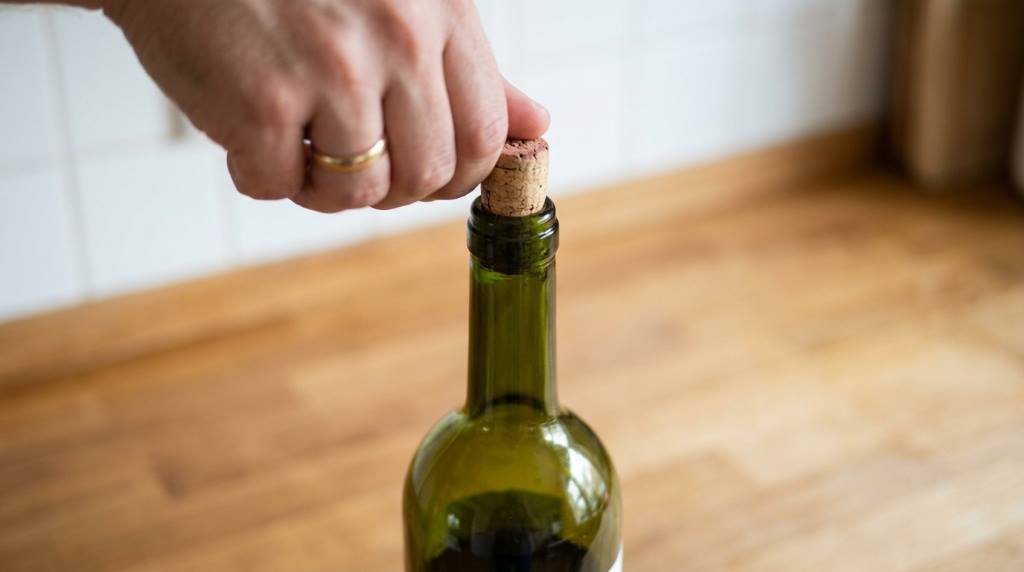
Replace the original cork or screw cap as soon as you finish pouring. Push a natural cork firmly into the opening without forcing it excessively. With synthetic corks, use the same closure whenever it still fits securely.
If the original cork crumbles or no longer seals properly, use a dedicated wine stopper instead. A tight seal limits additional air exchange while protecting the wine from refrigerator odors. Therefore, avoid storing an opened bottle with its opening uncovered.
Step 2: Keep The Bottle Upright
Store most opened wine bottles upright rather than horizontally. This position reduces the liquid’s surface area exposed to air inside the bottle. It also prevents leakage when the closure does not create a perfect seal.
Upright storage becomes especially practical after opening because the bottle already contains substantial headspace. Keeping it upright also makes accidental spills less likely inside your refrigerator. For short-term storage, convenience and a reliable seal matter more than traditional cellar positioning.
Step 3: Refrigerate Most Opened Wine
Place opened still wine in the refrigerator, even when the wine originally served at room temperature. Cooler temperatures slow oxidation and help preserve the wine’s aroma and flavor. Before serving red wine again, simply let it warm slightly.
You do not need to keep red wine chilled indefinitely before opening it. However, refrigeration becomes useful immediately after opening because preservation becomes more important than serving temperature. Remove the bottle shortly before drinking and allow its temperature to adjust naturally.
Step 4: Minimize The Empty Space
When only a small amount remains, transfer the wine into a smaller clean bottle with a tight closure. Less empty space means less air remains above the wine. This simple technique can make a noticeable difference when you plan to save the last glass.
Use a clean glass bottle designed for food storage rather than an unwashed container. Avoid transferring wine repeatedly because unnecessary handling introduces additional oxygen. Instead, choose a container that closely matches the remaining wine volume.
How To Store Different Types Of Wine
Different wines respond differently to oxygen, temperature, and time. Therefore, the ideal storage routine should match the wine style. A single method works reasonably well, but a tailored approach usually produces better results.
Red Wine
Seal opened red wine and refrigerate it after pouring. Cooler storage slows oxidation even though you normally serve many reds above refrigerator temperature. Before drinking, allow the bottle to sit outside briefly until it reaches a suitable serving temperature.
Full-bodied reds can sometimes remain enjoyable for several days because their structure contains more tannin and concentration. Lighter reds may show noticeable changes sooner, especially when the bottle contains substantial headspace. Taste a small amount before serving rather than assuming the wine remains unchanged.
White Wine
Refrigeration provides an excellent storage environment for opened white wine. Keep the bottle tightly sealed and upright between servings. Its naturally refreshing profile makes temperature control particularly important for preserving its intended character.
Crisp whites can lose their brightness when oxygen exposure continues for too long. Therefore, resealing immediately after each pour provides an easy preservation advantage. Sweet and fuller-bodied whites may sometimes remain enjoyable longer than delicate aromatic styles.
Rosé Wine
Rosé generally benefits from the same storage routine as white wine. Reseal it quickly, keep it refrigerated, and minimize the time it spends at room temperature. Its fresh fruit character often makes oxidation particularly noticeable.
Because rosé usually emphasizes freshness, serve smaller pours when you expect to save the bottle. This approach reduces unnecessary opening and closing throughout the evening. Keep the bottle sealed between servings whenever possible.
Sparkling Wine
Sparkling wine needs special attention because preserving carbonation matters as much as slowing oxidation. Use a purpose-built sparkling wine stopper that grips the bottle securely. Then refrigerate the bottle immediately after serving.
Do not rely on a loose cork or improvised covering to preserve bubbles. Pressure inside sparkling wine bottles makes proper closure especially important. Smaller pours also help maintain carbonation because you can minimize repeated exposure.
Fortified And Dessert Wines
Fortified wines often tolerate oxygen better than many ordinary table wines. Their higher alcohol or sugar content can contribute to greater stability after opening. Nevertheless, proper sealing and suitable storage still protect their flavor.
Sweet wines vary considerably, so storage time depends heavily on their style and production method. Refrigeration remains a sensible choice for many opened bottles. When uncertain, prioritize the producer’s storage instructions and judge the wine by aroma and taste.
How Long Does Opened Wine Last?
There is no universal expiration clock because wine styles behave differently after opening. Still, most everyday still wines deliver their best quality within roughly 3 to 5 days. Sparkling wines often lose noticeable carbonation within about 1 to 3 days, even with careful storage.
| Wine Type | Typical Best-Quality Window | Storage Priority |
|---|---|---|
| Light Red | 2 to 4 days | Seal and refrigerate |
| Full-Bodied Red | 3 to 5 days | Seal and refrigerate |
| White Wine | 3 to 5 days | Keep cold and sealed |
| Rosé | 3 to 5 days | Keep cold and sealed |
| Sparkling Wine | 1 to 3 days | Use a sparkling stopper |
| Fortified Wine | Several days to weeks | Follow style-specific guidance |
These timeframes describe likely quality rather than strict safety deadlines. A properly stored bottle may remain drinkable beyond its ideal window. However, its aroma, flavor, and texture can become progressively less appealing.
Therefore, use time as a guide rather than an automatic disposal rule. If the wine still smells clean and tastes pleasant, it may remain enjoyable. If its sensory profile has clearly deteriorated, there is little reason to keep drinking it.
Where To Store An Opened Wine Bottle
Your refrigerator usually offers the best short-term environment for opened wine. It provides a cool, dark space with relatively stable conditions. Keep the bottle away from strongly scented foods whenever possible because wine can pick up surrounding odors.
Avoid leaving opened wine beside a sunny window, stove, radiator, or other heat source. Light and heat can accelerate quality loss and damage delicate aromas. Even a well-sealed bottle benefits from a consistently cool storage environment.
When you want to understand how wine interacts with food, consider these wine pairing tips for salty foods while planning your next meal. Thoughtful pairing also helps you decide which remaining bottles deserve priority.
Should You Store Red Wine In The Refrigerator?
Yes, refrigerating opened red wine usually provides better preservation than leaving it at room temperature. The cold environment slows oxidation and helps maintain flavor between servings. Just allow the bottle to warm before drinking.
Do not confuse storage temperature with serving temperature. These are separate considerations, and preservation generally benefits from colder conditions. Serving can then restore the wine closer to its preferred temperature.
Common Storage Mistakes That Shorten Wine Life
Many opened bottles deteriorate quickly because of small, avoidable habits. Fortunately, most storage mistakes require no expensive equipment to correct. A consistent routine usually matters more than purchasing specialized accessories.
- Leaving the bottle uncorked: Always reseal the bottle immediately after pouring.
- Keeping wine warm: Refrigerate opened still wines to slow oxidation.
- Storing bottles near sunlight: Choose a dark storage location instead.
- Using a poor closure: Select a stopper that creates a secure seal.
- Repeatedly opening the bottle: Pour what you need, then close it.
- Ignoring headspace: Transfer small leftovers into smaller containers when practical.
- Judging only by appearance: Smell and taste provide better quality clues.
Another common mistake involves keeping wine because someone expects it to improve indefinitely. Most opened wines do not benefit from prolonged oxygen exposure. Instead, they gradually lose the qualities that made them appealing.
For that reason, plan your pours around the wine’s likely storage window. If you expect only one glass, choose a smaller bottle or preserve the remainder carefully. This approach reduces waste while maintaining better drinking quality.
How To Tell If Opened Wine Has Gone Bad
Before pouring an older opened bottle, examine its aroma, appearance, and taste. A strong vinegar-like smell, bruised-fruit character, or unusually stale aroma signals significant deterioration. Oxidized wine may also lose its original brightness and develop a flat finish.
However, not every unusual smell means the wine has become unusable. Some wines naturally contain earthy, funky, herbal, or nutty aromas that reflect their style. Compare the current character with what you remember from the first pour.
If you notice obvious spoilage characteristics, do not force yourself to finish the bottle. You can review these signs of spoiled wine before deciding what to do. When doubt remains, discarding poor-quality wine costs less than ruining an otherwise enjoyable meal.
A Simple Sensory Check
Start by smelling the wine immediately after opening the stored bottle. Look for clean fruit, floral, mineral, herbal, or spice notes that fit the wine’s style. Next, take a small sip and assess freshness, balance, texture, and finish.
Pay particular attention to dramatic changes from your first tasting. A wine that now tastes sharply flat, sour, or stale has probably passed its peak. Trust your senses rather than relying solely on the number of days since opening.
Do Wine Preservation Tools Really Help?
Wine preservation tools can help, but they do not replace proper refrigeration and sealing. Vacuum systems reduce the amount of air above the wine, while inert-gas systems replace some oxygen with less reactive gas. These tools become more useful when you regularly save expensive bottles.
For casual drinking, however, a reliable stopper and refrigerator often provide enough protection. Spending more does not automatically produce better results if the bottle remains warm or poorly sealed. Start with simple storage habits before investing in specialized equipment.
When A Vacuum Stopper Makes Sense
A vacuum stopper can suit people who regularly drink one glass while saving the rest. It removes some air from the bottle and can slow further oxidation. However, results depend on the device, seal quality, and wine style.
Use the tool according to its instructions rather than repeatedly pumping air from the bottle. Excessive handling can become counterproductive when preservation becomes unnecessarily complicated. A practical routine should make good wine easier to enjoy, not harder.
When Smaller Bottles Work Better
Smaller bottles offer a straightforward solution when only a modest amount of wine remains. Fill a clean bottle as close to the top as practical, then seal it tightly. Less headspace means less oxygen remains available above the wine.
This method can work especially well for valuable wines that you cannot finish promptly. Label the smaller container if you expect to store multiple wines simultaneously. Then refrigerate it and track when you transferred the wine.
A Practical Wine Storage Routine
The best preservation method should be easy enough to repeat every time you open a bottle. A simple routine removes guesswork and prevents careless storage decisions. Follow these steps whenever you expect leftover wine.
- Pour only the amount you intend to drink.
- Seal the original bottle immediately after pouring.
- Keep still wine upright in the refrigerator.
- Use a sparkling stopper for carbonated wine.
- Transfer small leftovers into smaller containers when appropriate.
- Write the opening date on the bottle if you often forget.
- Taste older wine before serving it to guests.
- Discard wine that shows clear signs of deterioration.
This routine protects quality without requiring complicated equipment or elaborate cellar conditions. More importantly, it makes preservation part of the pouring process. Once the habit becomes automatic, fewer bottles will lose quality unnecessarily.
What To Do With Wine You Cannot Finish
If you know you will not finish the bottle soon, adjust your storage strategy before the final pour. Transfer the remaining wine into a smaller sealed container when enough space remains. Then refrigerate it promptly instead of waiting until later.
You can also use leftover wine in cooking when its flavor remains suitable. Wine can add acidity, depth, and aroma to sauces, braises, marinades, and reductions. Avoid cooking with wine that smells strongly spoiled because unpleasant flavors can carry into the finished dish.
Another option involves planning future meals around the remaining bottle. Pairing wine with an appropriate dish can turn a leftover serving into a deliberate second experience. This approach reduces waste while encouraging more thoughtful wine consumption.
Final Takeaway: Protect The Wine From Oxygen
The simplest answer to how to store wine after opening is straightforward: seal it tightly, refrigerate it, and limit air exposure. Most still wines remain at their best for roughly 3 to 5 days, while sparkling wine usually needs faster attention.
However, the calendar should never replace your senses. Check the wine’s aroma and flavor before serving, especially when several days have passed. With consistent storage habits, you can preserve more bottles and enjoy better quality from every opening.
Try this routine with your next opened bottle and make proper storage part of your normal pouring habit. If you frequently save unfinished wine, experiment with smaller containers or a quality stopper to find what works best for you.
Frequently Asked Questions
Should You Refrigerate Wine After Opening?
Yes, refrigerating opened wine usually slows oxidation and helps preserve its flavor and aroma.
Can You Store Red Wine In The Refrigerator?
Yes, refrigerate opened red wine and let it warm slightly before serving again.
How Long Does Opened Wine Last?
Most opened still wines remain at their best for approximately 3 to 5 days.
Should Opened Wine Be Stored Upright?
Yes, upright storage reduces liquid surface exposure and helps prevent leakage from imperfect closures.
Can You Drink Wine After Five Days?
Yes, if it still smells and tastes pleasant, although its quality may have declined.