
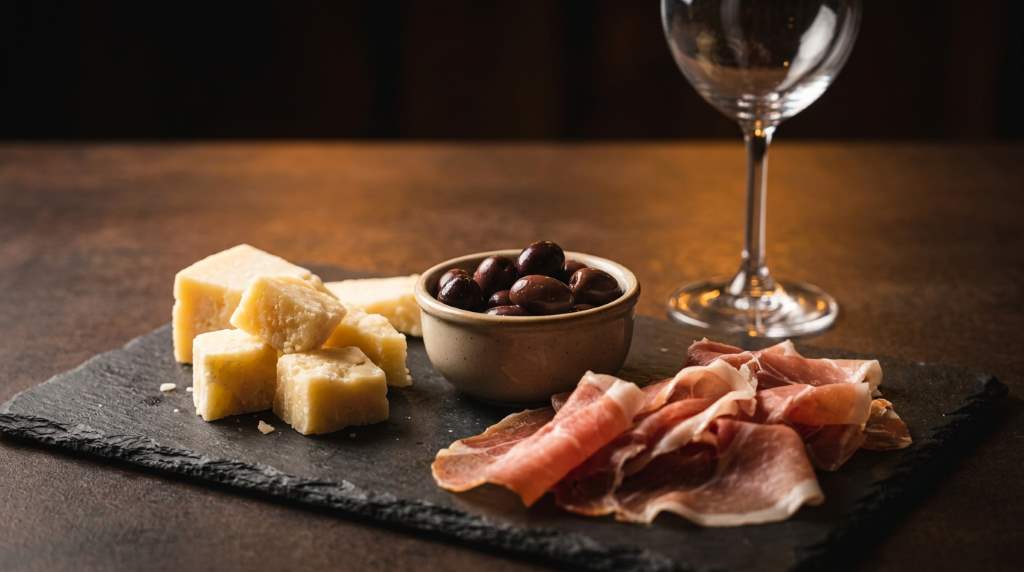
Choose wines with high acidity, slight sweetness, or effervescence to pair with salty food without ruining the taste. Sparkling wines, off-dry Rieslings, and crisp whites naturally balance salt and enhance flavor. These styles refresh your palate instead of clashing with sodium-rich dishes.
Nearly 78% of wine drinkers say food pairing directly affects their enjoyment of wine. According to sommelier surveys, salt and wine interactions are among the top three pairing mistakes beginners make. Understanding the science behind this combination changes everything at the dinner table.
Why Salt and Wine React the Way They Do
Salt is a flavor amplifier, and it interacts chemically with wine compounds. It suppresses bitterness and can heighten sourness in wines. This reaction makes certain wines taste sharper or more astringent with salty food.
Tannins in red wines react poorly with high sodium levels. The combination often produces a metallic or harsh aftertaste. However, low-tannin wines handle salt much more gracefully and stay balanced throughout the meal.
The Role of Acidity in Salt Balance
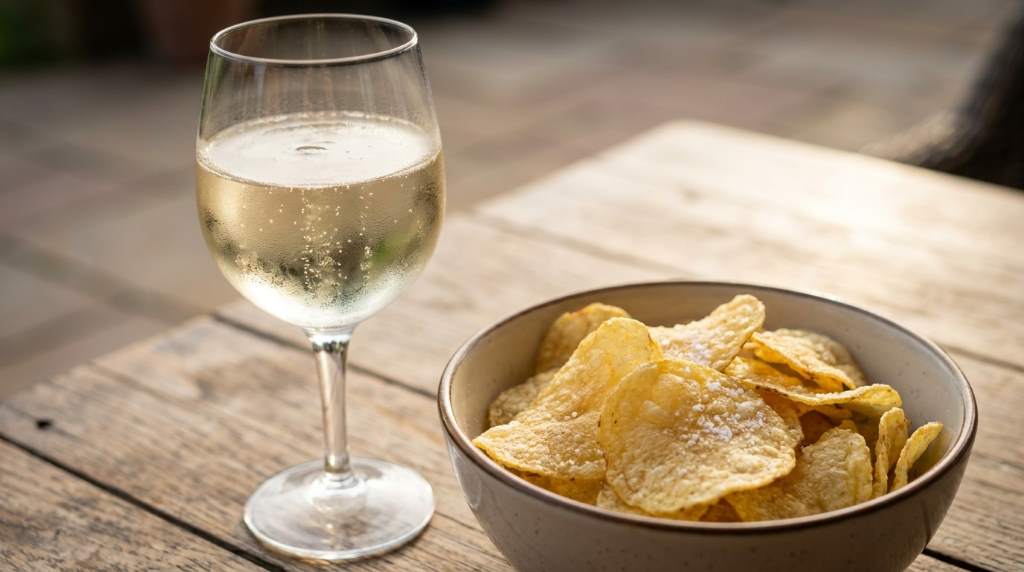
Acidic wines cut through the heaviness of salty dishes effectively. They refresh your palate between bites and reset flavor perception. Think of acidity as the reset button your mouth needs during a salty meal.
Wines like Sauvignon Blanc and Albariño carry strong natural acidity. These varieties complement salty cheeses, cured meats, and brined seafood beautifully. Their tartness mirrors the role of a lemon squeeze over a salty dish.
How Sweetness Offsets Sodium Punch
Residual sugar in wine softens the sharpness of salty flavors. A touch of sweetness creates a pleasant contrast that neither overpowers nor disappears. This is the same principle behind salted caramel or honey-glazed bacon.
Off-dry Rieslings and Gewürztraminers work especially well here. They carry just enough sweetness to tame aggressive salt without making the wine taste like dessert. This balance is a favorite pairing strategy among professional sommeliers.
Best Wine Styles That Pair Well with Salty Food
Knowing which wine styles naturally complement salt saves you from costly pairing mistakes. The best options tend to be lighter, fresher, and lower in tannins. Understanding how wine is made helps you identify these style characteristics before you buy.
Winemaking decisions like grape variety, fermentation time, and oak aging directly affect how a wine handles salt. Unoaked wines generally perform better with salty dishes. They lack the bitter wood tannins that clash with sodium-heavy foods.
Sparkling Wines: The Universal Salty Food Partner
Bubbles act like tiny scrubbers that cleanse salt residue from your palate. Sparkling wines also carry high acidity, which adds to their pairing versatility. They work across a wide range of salty foods from chips to oysters.
Prosecco, Cava, and Champagne are top picks for salty pairings. Prosecco brings fruit-forward lightness to fried and salted snacks. Champagne’s yeasty depth pairs beautifully with briny shellfish and aged salty cheeses.
Crisp White Wines for Salty Dishes
Pinot Grigio, Vermentino, and Muscadet all shine alongside salty foods. Their lean body and citrus-driven profiles do not compete with sodium. Instead, they create a clean and refreshing contrast with every bite.
Albariño from Spain is particularly popular with salty seafood dishes. Its saline mineral quality actually mirrors and complements oceanic saltiness. Many sommeliers call it a natural mirror pairing for coastal cuisine.
When to Use Rosé with Salty Food
Dry rosé wines offer the best of both white and red wine worlds. They have enough body to stand up to robust salty dishes. At the same time, they carry sufficient acidity to stay refreshing throughout the meal.
Provence-style rosés pair exceptionally well with charcuterie boards loaded with salty meats. They also complement salty Mediterranean dishes like olive tapenade and feta-based salads. Their versatility makes them a safe and stylish choice for salty food menus.
Salty Food Categories and Their Ideal Wine Matches
Different salty foods call for different wine strategies, and knowing the category helps you pick smarter. Matching intensity and texture alongside saltiness is equally important. You can explore the nuances of Spanish sparkling wine for seafood to get a head start on one of the most popular salty food categories.
Salt content, fat content, and preparation method all influence the final pairing decision. A salty dish with high fat content needs a wine with more acidity to cut through both elements. A lighter salty dish pairs better with a more delicate wine profile.
Salty Seafood and Shellfish
Oysters, clams, and smoked salmon carry natural brininess that needs a wine with mineral character. Chablis and Muscadet are classic choices for this category. Their flinty, almost salty mineral notes mirror the ocean flavors in the food.
Sparkling wines also work beautifully with salty seafood preparations. The effervescence lifts heavy brininess and keeps the palate fresh. Champagne and oysters remain one of the most celebrated pairings in fine dining history.
Salty Cured Meats and Charcuterie
Prosciutto, salami, and smoked sausages have intense sodium levels from the curing process. These meats need a wine that can absorb rather than amplify that saltiness. Off-dry whites and light reds with low tannins perform best here.
Lambrusco, a lightly sparkling Italian red, pairs wonderfully with cured meats. Its gentle fizz and fruity notes cut through the fat and salt simultaneously. Beaujolais is another low-tannin red that handles charcuterie salt without bitterness.
Salty Cheese Pairings
Aged cheeses like Parmesan, Manchego, and Pecorino carry significant saltiness. These cheeses need wines that offer sweetness or high acidity as a counterbalance. Sauternes with blue cheese is one of the most famous examples of salt-meets-sweet pairing success.
For everyday salty cheese boards, Riesling is a reliable go-to option. Sparkling wines also refresh the palate between bites of intensely salty aged cheeses. Even a dry Prosecco handles the sodium punch from sharp cheddar quite gracefully.
Salty Snacks and Casual Pairings
Popcorn, pretzels, and potato chips seem like humble pairing challenges. But they respond beautifully to Champagne or dry sparkling wines. The bubbles and acidity balance the salt while adding a fun, celebratory touch.
French fries with a glass of Chablis is a surprisingly elegant combination. Pizza loaded with salty olives and anchovies pairs well with Vermentino or light Italian whites. Casual does not have to mean careless when it comes to wine pairing.
Common Mistakes That Ruin Salty Food and Wine Pairings
Avoiding a few key mistakes can completely transform your pairing results. Most errors come from choosing wines based on personal habit rather than food chemistry. The more intentional you become, the more successful every pairing will be.
Mastering this skill comes with practice and the right guidance. You can build confidence faster by mastering the art of pairing through structured learning and tasting practice.
Pairing Mistakes to Avoid:
- Choosing high-tannin reds: Cabernet Sauvignon and Syrah amplify bitterness when paired with salty foods.
- Ignoring wine acidity: Low-acid wines feel flat and get overwhelmed by sodium-heavy dishes.
- Selecting overly oaked whites: Heavy oak adds bitter notes that clash with salt rather than complement it.
- Picking wines that are too sweet: Excessively sweet wines with very salty food can taste cloying and unbalanced.
- Forgetting about bubbles: Many people overlook sparkling wine, which is often the most forgiving option with salty food.
- Matching by color alone: Red with meat and white with fish is too simplistic when salt is heavily involved.
Pro Tips from Sommeliers for Salty Food Pairing
Professional sommeliers use a few reliable tricks that home wine lovers can easily adopt. These tips go beyond just picking the right wine variety. They help you think about texture, weight, and contrast as a complete system.
Temperature also matters when pairing wine with salty food. Serving wines too warm reduces their perceived acidity and makes the pairing feel heavier. Always serve crisp whites and sparkling wines well-chilled for the best results with salty dishes.
Sommelier-Approved Strategies:
- Match intensity first: A lightly salted dish needs a delicate wine, and a heavily salted dish needs a bolder pairing.
- Use the contrast method: Pair salty with slightly sweet or highly acidic wines for the most balanced contrast.
- Think about the sauce: The sauce or preparation method often matters more than the base ingredient itself.
- Serve it cold: Lower temperatures enhance the refreshing quality that crisp wines need to handle salt effectively.
- Taste before pouring: Always try a small sip of wine with a bite of your dish before committing to the pairing.
Conclusion
Pairing wine with salty food is less about strict rules and more about understanding flavor chemistry. Salt changes how wine tastes on your palate, but the right wine uses that reaction to its advantage. Sparkling wines, high-acid whites, and off-dry styles are your most reliable allies in this pairing journey.
Start experimenting with a chilled glass of Albariño alongside your next seafood platter or a sparkling Prosecco with your charcuterie board. Each pairing you try builds confidence and sharpens your instincts. Explore new combinations regularly and trust your palate to guide you toward your personal favorites.
Ready to find your perfect salty food and wine match? Browse our full collection of expert wine pairing guides and start building your pairing confidence today. Your next favorite combination is just one bottle away.
Frequently Asked Questions
Does salt make red wine taste worse?
Yes, salt intensifies tannin bitterness in full-bodied red wines, creating a harsh and metallic aftertaste.
What is the best wine for salty cheese?
Off-dry Riesling or Champagne pairs best with salty cheese because their sweetness and acidity balance sodium intensity perfectly.
Can you drink Cabernet Sauvignon with salty food?
It is generally not recommended, as Cabernet’s high tannins clash with salt and produce unpleasant bitter flavors.
Why does sparkling wine work well with salty snacks?
The carbonation in sparkling wine cleanses the palate and its natural acidity refreshes your taste buds between salty bites.
Is sweet wine always better than dry wine with salty food?
Not always, since slightly off-dry wines work best, while very sweet wines can taste cloying alongside heavily salted dishes.