
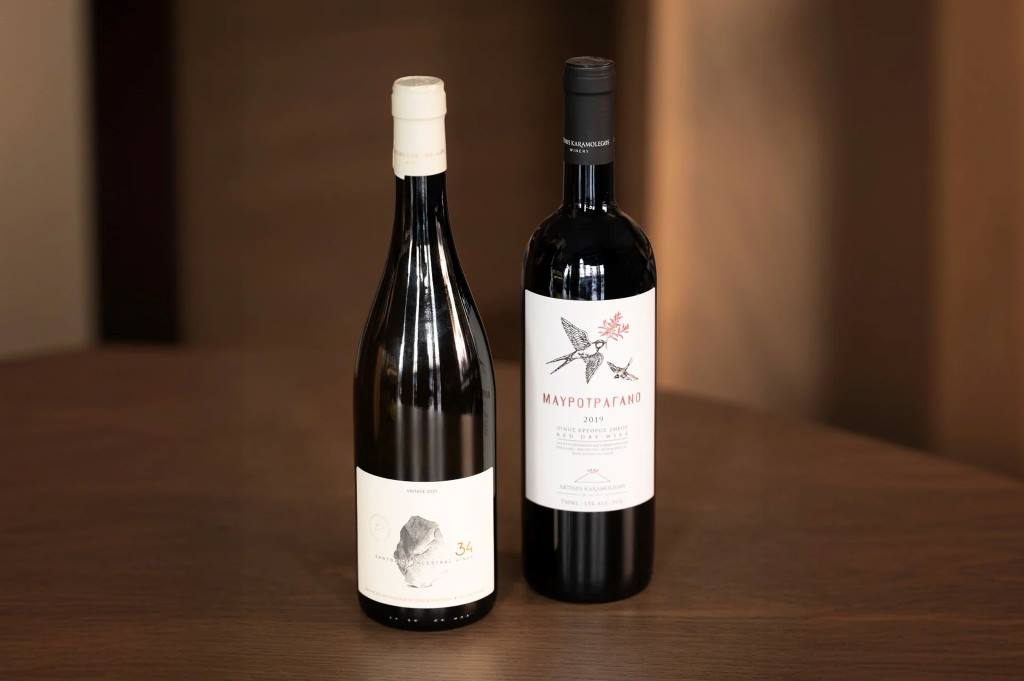
Picture yourself wandering through a vineyard on the slopes of Mount Etna, the air tinged with a faint smoky scent. The ground beneath your feet, born from ancient volcanic eruptions, holds the key to the crisp, flinty taste in your glass. Volcanic soil, rich in minerals, weaves a unique minerality into wines, creating flavors like chalk, wet stone, or salinity. This blog post dives into how these fiery soils influence wine’s character, blending science, stories, and sips. Whether you’re a wine lover or a curious novice, join me as we explore the magic of volcanic terroir and its role in shaping unforgettable vintages.
What Is Volcanic Soil?
Volcanic soil forms from cooled lava, ash, and pumice, remnants of nature’s fiery outbursts. Unlike typical soils, it’s packed with minerals like iron, potassium, and magnesium, giving it a unique edge. These soils are often porous, draining water quickly, which stresses grapevines in a way that boosts flavor intensity. According to a 2021 study by the European Geosciences Union, volcanic soils cover just 1% of the Earth’s surface but produce some of the world’s most celebrated wines.
This mineral-rich composition isn’t just dirt—it’s a storyteller. The soil’s structure forces vines to dig deep for nutrients, resulting in smaller, more concentrated grapes. My first taste of a Santorini Assyrtiko, grown in volcanic ash, was a revelation: sharp, saline, and alive with a smoky edge that lingered.
How Volcanic Soil Shapes Grape Growth
Volcanic soil’s poor fertility and excellent drainage create a tough environment for grapevines. This stress is a winemaker’s ally. Vines produce fewer, smaller berries with thicker skins, concentrating flavors. A 2024 article from Wine Enthusiast notes that volcanic soils’ high iron content can lend a “salty sweetness” to wines, especially Pinot Noir.
The soil’s ability to retain heat also plays a role. Warm days and cool nights, common in volcanic regions like Sicily, balance acidity and sugar in grapes. During a visit to a Willamette Valley vineyard, I saw how iron-rich volcanic soil gave Pinot Noirs a lush, elegant profile, with notes of cherry and a crisp finish.
The Science of Minerality in Wine

Minerality in wine describes flavors like flint, chalk, or wet stone, often linked to volcanic soil. But can you taste the soil itself? Scientists say no. A 2019 study by SevenFifty Daily explains that minerals in soil don’t directly transfer to grapes. Instead, the soil’s structure affects vine growth, indirectly shaping flavor.
However, volcanic soil’s unique chemistry, like high potassium levels, enhances aromatic compounds. This creates a perception of minerality, often described as saline or smoky. When I sipped an Etna Bianco, its gunpowder-like edge felt like the volcano itself speaking through the wine, a testament to the soil’s influence.
Volcanic Regions and Their Signature Wines
Volcanic soils thrive in regions like Sicily, Santorini, and Oregon’s Willamette Valley. Each produces distinct wines:
- Mount Etna, Sicily: Nerello Mascalese reds offer wild strawberry and smoky notes, while Carricante whites burst with salinity.
- Santorini, Greece: Assyrtiko wines deliver crisp acidity and citrus, with a flinty backbone.
- Willamette Valley, Oregon: Pinot Noirs here are elegant, with lush fruit and mineral depth.
These regions showcase how volcanic terroir crafts unique profiles. My visit to a Sicilian winery revealed how Etna’s black, ashy soil creates wines with a bold, mineral-driven character.
The Role of Climate in Volcanic Terroir
Climate amplifies volcanic soil’s impact. Warm days ripen grapes, while cool nights preserve acidity, a hallmark of volcanic wines. In Santorini, coastal breezes add a saline tang, enhancing minerality. A 2023 Wiens Cellars report highlights how microclimates in volcanic regions like Campania create nuanced flavors, such as citrus and smokiness in Fiano wines.
Altitude also matters. High-altitude vineyards, like those on Mount Etna, experience dramatic temperature swings, intensifying grape flavors. Tasting a high-altitude Etna Rosso, I noticed its vibrant acidity and mineral edge, a direct result of the volcano’s unique climate-soil interplay.
Winemaking Techniques That Highlight Minerality
Winemakers amplify volcanic soil’s effects through careful techniques. Minimal intervention, like avoiding heavy oak aging, preserves the wine’s natural character. A 2024 Rara Vina guide notes that skipping malolactic fermentation keeps acidity high, enhancing mineral notes in wines like Chablis or Assyrtiko.
Organic and biodynamic practices also boost terroir expression by fostering healthy soil microbiomes. During a winery tour in Soave, Italy, I learned how winemakers use stainless steel tanks to highlight Garganega’s crisp, flinty notes, letting the volcanic soil’s influence shine through in every sip.
Myths and Truths About Minerality
Many believe minerality means tasting the soil’s minerals, but science debunks this. Geologist Alex Maltman, in his 2018 book, explains that vines absorb only trace nutrients, not enough to flavor wine directly. Instead, minerality arises from soil structure and winemaking choices.
Yet, the myth persists because it’s romantic. Tasting a wine and imagining the volcano’s grit adds allure. My first encounter with a Soave Classico felt like drinking liquid stone, even if science says it’s more about the vine’s struggle than actual minerals. The truth? Minerality is real, but it’s a complex dance of nature and craft.
Why Volcanic Wines Stand Out
Volcanic wines are unique for their intensity and elegance. The soil’s low fertility forces vines to focus energy on grapes, creating concentrated flavors. According to Wine Spectator (2019), volcanic soils in regions like Napa Valley produce wines with high acidity and savory notes, making them food-friendly.
These wines also age well, thanks to their structure. Sipping an aged Etna Rosso, I marveled at its evolved complexity—smoky, earthy, yet still vibrant. Volcanic wines capture a sense of place, making each bottle a story of the land’s fiery past.
Pairing Volcanic Wines with Food
Volcanic wines’ crisp acidity and minerality make them versatile for pairing. Here are top matches:
- Assyrtiko: Pairs with seafood like oysters, echoing its saline notes.
- Etna Rosso: Complements grilled meats, balancing its smoky, fruity profile.
- Soave: Matches creamy pastas, enhancing its flinty freshness.
At a dinner in Naples, I paired a Lacryma Christi with grilled octopus, and the wine’s mineral edge elevated the dish’s flavors. Experiment with volcanic wines to find your perfect match, as their vibrant profiles enhance many cuisines.
Conclusion
Volcanic soil weaves a captivating tale in every glass, shaping wine minerality with its mineral-rich, well-draining nature. From Santorini’s crisp Assyrtikos to Etna’s smoky reds, these soils craft wines with unmatched character. Though science shows minerals don’t directly flavor wine, the soil’s influence on vine growth creates that flinty, saline magic we love. Next time you sip a volcanic wine, think of the ancient eruptions that shaped it. Share your favorite volcanic wine in the comments or spread this story with fellow wine lovers!
FAQs
What is wine minerality?
Minerality describes flavors like flint, chalk, or salinity in wine, often linked to soil and winemaking techniques, not direct mineral transfer.
How does volcanic soil affect wine taste?
Volcanic soil’s drainage and mineral content stress vines, producing concentrated grapes with intense, savory flavors like smokiness or salinity.
Which regions produce volcanic wines?
Regions like Mount Etna (Sicily), Santorini (Greece), and Willamette Valley (Oregon) are known for volcanic soils yielding mineral-rich wines.
Can you taste minerals in volcanic wines?
No, minerals don’t directly flavor wine. Minerality comes from soil structure and winemaking, creating perceptions of flint or chalk.
Why are volcanic wines food-friendly?
Their high acidity and mineral notes, like salinity, pair well with seafood, meats, and pastas, enhancing flavors without overpowering.