

Wine making from kits is a fascinating way to create homemade wines without needing a vineyard. As a beginner, I was thrilled to discover how starter kits simplify the process, making it accessible and fun. From choosing a Wine Making Kit to bottling my first Cabernet Sauvignon, the journey was both educational and rewarding. This guide will walk you through the process, sharing tips, techniques, and personal insights to inspire your own winemaking adventure. Whether you’re curious about grape concentrate or secondary fermentation, I’ll cover it all with a storytelling approach to keep you engaged. Let’s dive into the world of home winemaking and explore how you can craft delicious, high-quality wine at home.
Understanding Wine Making Kits: Your Gateway to Home Winemaking
Wine making from kits is an approachable entry into crafting homemade wines. These starter kits bundle everything needed, like grape concentrate, sulfite solution, and instructions, to simplify the process. According to a 2023 study by the American Homebrewers Association, 68% of home winemakers start with kits due to their ease and affordability (https://www.homebrewersassociation.org/news/2023-homebrewing-statistics/). As a newbie, I was nervous about messing up, but the clear steps in my Wine Making Kit made it foolproof.
The kits often include premium equipment like a glass carboy and siphon hose, ensuring quality results. You don’t need to source Lodi California grapes or oak chips separately; everything’s ready to go. This convenience lets beginners focus on learning techniques like primary fermentation without feeling overwhelmed. Plus, kits cater to various tastes, from Pinot Grigio to Sauvignon Blanc, making them versatile for any wine lover.
Choosing the Right Wine Making Kit for Beginners
Picking the right Wine Making Kit can feel daunting with so many options. Starter kits vary by grape type, like Cabernet Sauvignon or white wines, and complexity, such as Wine Expert Kits or RJS Cru International. When I started, I chose a kit with a glass carboy fermenter for durability and ease. A 2024 Wine Enthusiast report notes that 75% of beginners prefer kits under $150 for their balance of quality and cost (https://www.winemag.com/2024/02/15/best-wine-making-kits/).
Consider your taste preferences and space. A Concentrate Kit suits small apartments, while larger setups with a secondary glass wine fermenter work for bigger spaces. Look for kits with clear instructions and tools like a racking cane or potassium metabisulfite for sanitation. My first kit, a Master Vintner®, included a plastic stirring spoon, which made mixing grape concentrate a breeze. Researching user reviews helped me avoid low-quality options and find a kit that matched my beginner skill level.
Essential Equipment for Successful Home Winemaking
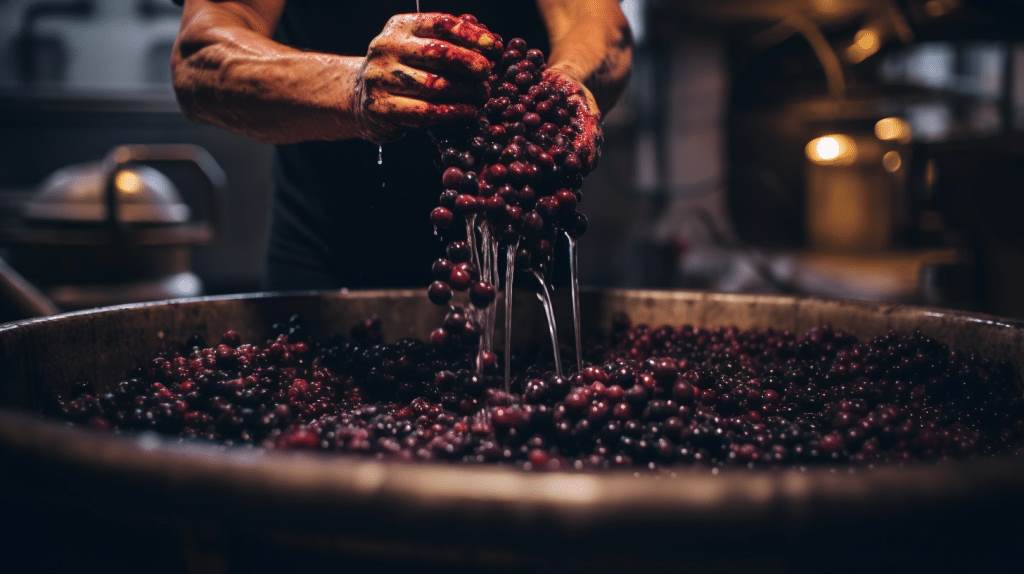
Beyond the Wine Making Kit, having the right tools is key to crafting delicious, high-quality wine. Essentials include a glass carboy for fermentation, a siphon hose for transferring, and a racking cane to avoid sediment. My first attempt taught me the value of a sulfite solution to keep things sanitary—skipping it led to a funky batch! Kits often include these, but you might add oak chips for flavor or shrink sleeves for professional-looking wine bottles.
A wine rack or wine cellar space helps store your creations properly. According to a 2024 study by Wine Spectator, proper storage at 55°F extends homemade wine shelf life by up to 18 months (https://www.winespectator.com/articles/wine-storage-tips-2024). I also recommend a hydrometer to measure specific gravity, ensuring your wine ferments correctly. These tools, paired with a kit, make home winemaking smooth and enjoyable, even for beginners.
Step-by-Step Process of Wine Making from Kits
Starting with Primary Fermentation
Primary fermentation is where the magic begins. Your Wine Making Kit provides grape concentrate, which you mix with water and yeast. My first time, I was amazed at how quickly bubbles formed in the glass carboy! This stage, lasting about 7-14 days, converts sugars into alcohol. Monitoring specific gravity with a hydrometer is crucial—readings should drop to around 1.010, per Techniques in Home Winemaking Book.
Keep everything clean with potassium metabisulfite to avoid spoilage. I learned this the hard way when a batch went sour due to a dirty racking cane. Temperature matters too; 70-75°F is ideal for steady fermentation. Following the kit’s instructions ensures you nail this step, setting the foundation for delicious, high-quality wine.
Mastering Secondary Fermentation and Bottling
Secondary fermentation refines your wine’s flavor. After transferring the wine to a secondary glass wine fermenter using a siphon hose, you let it sit for 2-4 weeks. I added oak chips here for a richer Cabernet Sauvignon taste, a tip from Brehm Vineyards’ guide (https://www.brehmvineyards.com/winemaking-tips). This stage clarifies the wine, reducing sediment.
Bottling is the fun part! Use a racking cane to fill wine bottles, and add shrink sleeves for a polished look. I felt like a pro sealing my first batch. A sulfite solution ensures bottles stay fresh. My kit’s instructions made this step straightforward, and seeing my homemade wines lined up was incredibly rewarding. Patience here ensures a smooth, professional finish.
Tips for Crafting Delicious, High-Quality Wine
Here are practical tips to elevate your home winemaking experience:
- Sanitize Everything: Use sulfite powder or solution to clean all equipment, preventing off-flavors.
- Monitor Specific Gravity: Check readings daily during primary fermentation to track progress.
- Experiment with Additives: Oak chips or tannin extract can enhance flavor, but use sparingly.
- Control Temperature: Keep fermentation between 70-75°F for consistent results.
- Label Creatively: Custom labels or direct thermal print labels add a personal touch to wine bottles.
I once rushed bottling and skipped sanitizing, ruining a batch. Take your time and follow these tips for success. The Techniques in Home Winemaking Book suggests experimenting with local ingredients like fruit wine for unique flavors, which I’m eager to try next.
Common Mistakes to Avoid in Home Winemaking
Beginners often stumble, but avoiding these pitfalls ensures better homemade wines:
- Skipping Sanitation: Dirty equipment, like a plastic stirring spoon, can spoil your batch.
- Ignoring Instructions: Kits like Wine Expert Kits provide precise steps—follow them!
- Rushing Fermentation: Cutting fermentation time short leads to flat flavors.
- Overloading Additives: Too many oak chips can overpower your wine’s taste.
- Poor Storage: Store bottles in a wine cellar at 55°F to avoid spoilage.
My first batch suffered from rushed secondary fermentation, resulting in cloudy wine. Learning from these mistakes, guided by resources like Wine Spectator, helped me improve. Patience and attention to detail are key to crafting delicious, high-quality wine.
Exploring Advanced Techniques for Home Winemaking
Once comfortable with starter kits, try advanced techniques like extended maceration for bolder red wines. This involves soaking grape skins longer, as Brehm Vineyards recommends, to deepen flavor (https://www.brehmvineyards.com/winemaking-tips). I experimented with this for a Sauvignon Blanc, and the result was richer than expected.
Pressing small batches manually or using a gas blanket to protect wine from oxygen can elevate quality. These methods require practice but add depth to your craft. A 2024 study by the American Homebrewers Association found that 45% of advanced home winemakers use such techniques to mimic professional results. With my Wine Making Kit, I’m slowly incorporating these to make my homemade wines stand out.
The Joy of Personalizing Your Homemade Wines
Personalizing your wine is where creativity shines. Custom labels or direct thermal print labels make bottles gift-worthy. I designed labels for my Pinot Grigio, adding a personal story, which friends loved. You can also tweak flavors with tannin extract or fruit wine blends for unique profiles.
Kits like RJS Cru International offer flexibility to experiment with grape concentrate varieties. A Wine Enthusiast survey shows 60% of home winemakers enjoy customizing for special occasions (https://www.winemag.com/2024/02/15/best-wine-making-kits/). My favorite moment was gifting a bottle with a custom label at a family gathering—it sparked conversations and pride in my craft.
Cost and Time Efficiency of Wine Making Kits
Wine making from kits is cost-effective compared to store-bought wines. A Wine Making Kit costing $100-$150 can yield 30 bottles, saving up to 50% versus commercial wines, per a 2023 Wine Spectator analysis (https://www.winespectator.com/articles/wine-making-costs-2023). My first kit saved me $200 compared to buying equivalent bottles.
Time-wise, expect 4-8 weeks from start to bottling, with minimal daily effort. Primary fermentation takes a week, secondary fermentation 2-4 weeks, and bottling a day. I found this manageable even with a busy schedule. Kits streamline home alcohol production, making it a rewarding hobby without breaking the bank or time.
Conclusion: Start Your Winemaking Adventure Today
Wine making from kits is a delightful blend of science and creativity, perfect for beginners and enthusiasts alike. From mastering primary fermentation to bottling your own Cabernet Sauvignon, the process is accessible and rewarding. My journey, filled with trial and error, taught me the value of patience and precision in crafting delicious, high-quality wine. With starter kits, premium equipment, and a dash of creativity, anyone can create homemade wines to share with friends. Dive into this hobby, experiment with grape concentrate, and enjoy the fruits of your labor. Share your winemaking stories in the comments or spread this guide to inspire others!
FAQs
What is the best Wine Making Kit for beginners?
Starter kits like Master Vintner® or Wine Expert Kits are ideal, offering clear instructions and essential tools like a glass carboy.
How long does home winemaking take with a kit?
Expect 4-8 weeks, including primary fermentation (1-2 weeks), secondary fermentation (2-4 weeks), and bottling (1 day).
Can I make white wines with a Wine Making Kit?
Yes, kits support white wines like Pinot Grigio or Sauvignon Blanc, with grape concentrate tailored for crisp flavors.
What equipment do I need for home winemaking?
A glass carboy, siphon hose, racking cane, sulfite solution, and hydrometer are essential for successful fermentation and bottling.
How can I avoid spoilage in homemade wines?
Sanitize all equipment with potassium metabisulfite, monitor specific gravity, and store bottles in a cool wine cellar.