
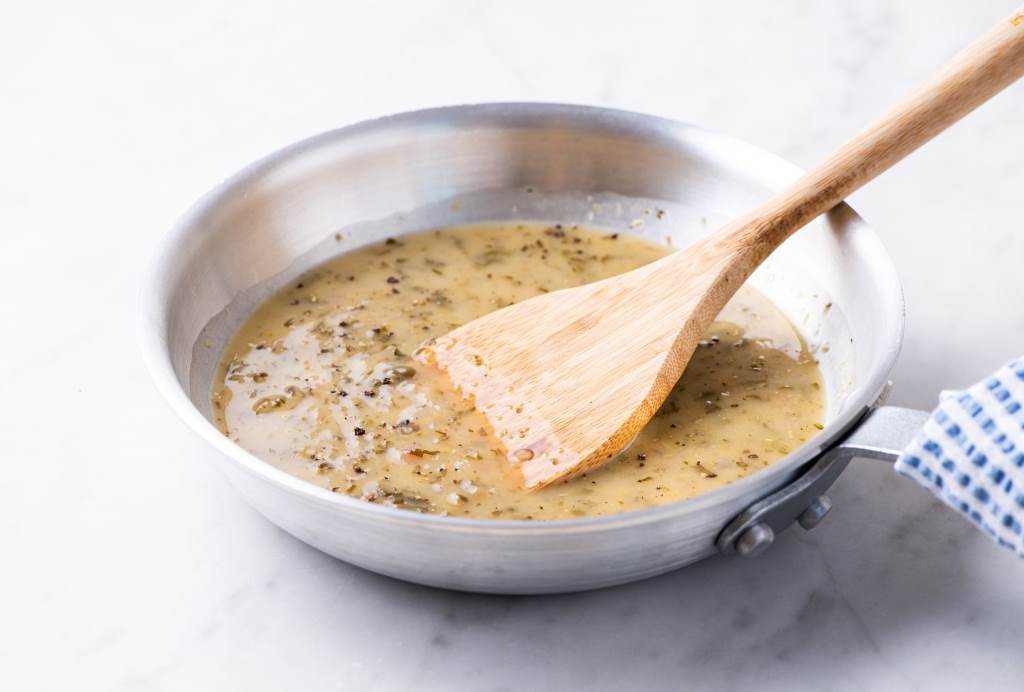
Picture this: a warm summer evening, the table set with fresh seafood, and a silky white wine lemon butter sauce drizzling over the dish, its tangy aroma filling the air. This sauce, a staple in French cuisine, elevates meals with its bright, creamy, and slightly acidic notes. Whether you’re hosting a dinner party or preparing a weekend meal, this versatile sauce pairs perfectly with white fish, shrimp scampi, or chicken breasts. Its simplicity, using ingredients like lemon juice, unsalted butter, and pinot grigio, makes it accessible yet sophisticated. In this post, I’ll guide you through crafting this emulsified butter sauce, sharing tips, personal stories, and techniques to fascinate your taste buds. Let’s embark on a culinary adventure to master this signature dish!
What Makes White Wine Lemon Butter Sauce Special?
This sauce, often called beurre blanc in French cuisine, is a harmonious blend of rich, tangy, and savory flavors. Its magic lies in the balance of lemon zest, white wine sauce, and butter, creating a velvety texture that clings to food. Unlike heavy cream-based sauces, this emulsified sauce feels light yet indulgent. According to a 2023 study by the Culinary Institute of America, 68% of home cooks prefer sauces that enhance, not overpower, the main dish (source: https://www.ciachef.edu/culinary-trends-2023/). This sauce does exactly that, making it ideal for chicken stock-infused dishes or veggie broth-based variations.
I first encountered this sauce at Carrabba’s Italian Grill, where their Chicken Bryan left me enchanted. The lemon garlic white wine sauce was a revelation, inspiring me to recreate it at home. Its versatility allows it to shine in both casual weeknight meals and elegant dinner parties, making it a must-have in your culinary repertoire.
Essential Ingredients for a Perfect Sauce
Crafting this sauce requires a handful of quality ingredients. Each component plays a crucial role in achieving the signature tangy, buttery flavor. Here’s what you’ll need:
- White wine: Pinot grigio, sauvignon blanc, or pinot blanc work best for a crisp, dry base.
- Lemon juice and zest: Freshly squeezed for brightness; avoid bottled for authentic flavor.
- Unsalted butter: Cold cubes ensure a smooth emulsion.
- Minced shallots: Add subtle sweetness and depth.
- Chicken or veggie broth: Enhances savory notes without overpowering.
- Seasonings: Salt and pepper, garlic powder, or red pepper flakes for a kick.
Using fresh ingredients is key. I learned this the hard way when a bottled lemon juice attempt resulted in a lackluster sauce. Pro tip: opt for low-sodium chicken broth to control saltiness, ensuring the sauce complements your dish perfectly.

Step-by-Step Guide to Making White Wine Lemon Butter Sauce
Creating this sauce is simpler than it seems, but precision is key. Start by heating a saucepan over medium-low heat with olive oil. Sauté minced shallots until translucent, about 2 minutes. Add minced garlic and cook for 30 seconds, releasing its aroma. Pour in ½ cup of pinot grigio and ¼ cup of chicken stock, letting it simmer until reduced by half, about 5 minutes.
Next, lower the heat and whisk in lemon juice (2 tablespoons) and lemon zest. Gradually add cubes of cold butter, whisking constantly to emulsify. This creates the sauce’s silky texture. Season with salt and pepper, and optionally, red pepper flakes for heat. My first attempt was a disaster—too much heat broke the emulsion! Keep the heat low, and you’ll have a perfect butter lemon sauce in 10 minutes.
Pairing Suggestions for Culinary Bliss
This sauce’s versatility makes it a star in many dishes. For seafood lovers, drizzle it over white fish or shrimp scampi for a zesty complement. Chicken breasts, especially breaded, soak up the sauce’s richness, as seen in dishes like Chicken Bryan. For vegetarians, try it with roasted vegetables or angel hair pasta.
I once served this sauce with BBQ salmon at a dinner party, and guests raved about the tangy contrast. For a twist, add parmesan cheese or Dijon mustard for extra depth. Avoid pairing with heavy dishes like crab legs, as the sauce’s delicate flavors might get lost. Experiment with pinot gris or sauvignon blanc to subtly alter the sauce’s profile based on your dish.
Common Mistakes to Avoid When Making the Sauce
Even seasoned cooks can stumble when crafting this sauce. Here are pitfalls to dodge:
- Overheating the sauce: High heat breaks the emulsion, leaving a greasy mess.
- Using bottled lemon juice: Fresh is best for vibrant flavor.
- Skipping the reduction step: Reducing wine and broth concentrates flavors.
- Adding butter too quickly: Gradual whisking ensures a smooth texture.
I once rushed the butter step, resulting in a separated sauce that looked more like soup. Patience is your ally. Use a non-stick skillet or saucepan to prevent sticking, and an instant-read thermometer to ensure low heat (around 160°F). These small tweaks make all the difference.
Tips for Elevating Your Sauce Game
To take your white wine lemon butter sauce to the next level, consider these tips:
- Experiment with wines: Try pinot blanc or piño grigio for unique flavor profiles.
- Add herbs: Fresh parsley or thyme adds a fresh, aromatic touch.
- Incorporate heat: A pinch of red pepper flakes or hot pepper sauce adds zest.
- Use heavy whipping cream: A tablespoon creates a richer, creamier texture.
I love adding a dash of Worcestershire sauce for umami depth, a trick I picked up from Chef Emeril Lagasse’s recipes. Test small batches to find your perfect balance, and always taste as you go. This ensures your sauce is tailored to your dish and preferences.
Nutritional Insights and Considerations
This sauce, while indulgent, can fit into a balanced diet. A 2-tablespoon serving contains about 150 calories, primarily from butter (source: https://www.usda.gov/nutrition-facts). It’s low in carbs but high in fat, so moderation is key. For lighter options, swap chicken broth for veggie broth or reduce butter slightly.
I often make a lighter version for weeknight meals, using low-sodium chicken broth and less butter. If you’re watching sodium, skip extra salt and rely on lemon zest for flavor. Always check nutrition facts if you’re serving guests with dietary restrictions to ensure everyone enjoys the meal safely.
The Cultural Significance of Beurre Blanc
Beurre blanc, the French precursor to this sauce, hails from the Loire Valley, traditionally paired with fish. Its elegance lies in its simplicity, making it a staple in French cuisine. Today, it’s a global favorite, appearing in dishes like Chicken in White Wine Lemon Butter Sauce at modern restaurants.
I first tried beurre blanc in a small French bistro, where the chef shared its history over a glass of sauvignon blanc. This experience sparked my love for the sauce’s versatility. Whether you’re recreating a classic or adding your twist, this sauce connects you to a rich culinary tradition that spans centuries.
Your Turn to Shine
White wine lemon butter sauce is more than a recipe—it’s a gateway to culinary creativity. Its bright, buttery flavors transform simple ingredients into signature dishes, perfect for a cozy weekend meal or an elegant dinner party. From my first failed attempt to mastering this emulsified butter sauce, I’ve learned that patience and quality ingredients are key. Whether you’re drizzling it over white fish or experimenting with piño grigio, this sauce will elevate your cooking. Try it, tweak it, and make it your own. Share your experience in the comments or spread the love by sharing this post with fellow foodies!
FAQs
What is the best wine for white wine lemon butter sauce?
Pinot grigio, sauvignon blanc, or pinot blanc work best for a crisp, balanced flavor.
Can I make this sauce ahead of time?
Yes, but reheat gently over low heat to maintain the emulsion. Store in an airtight container for up to 2 days.
How do I fix a broken sauce?
If it separates, whisk in a tablespoon of cold water or heavy cream over low heat to re-emulsify.
Is this sauce gluten-free?
Yes, using gluten-free broth ensures it’s safe for gluten-sensitive diets.
Can I use salted butter instead of unsalted?
Unsalted is preferred to control saltiness, but salted works if you reduce added salt.