
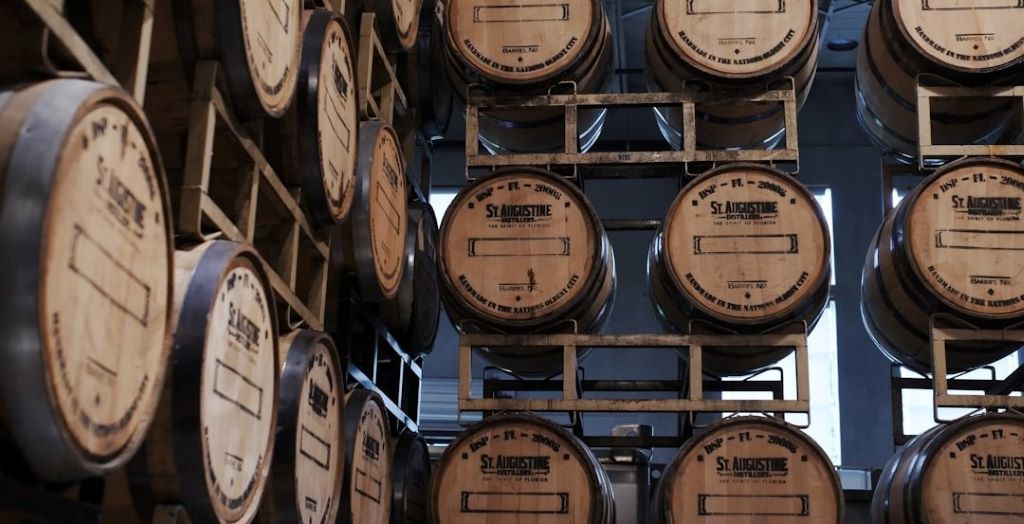
The world of spirit aging holds many secrets. However, few techniques create as much intrigue as using port barrels to finish premium spirits. These former vessels of Portugal’s most celebrated fortified wine bring extraordinary depth to whiskey, rum, and other aged spirits. Therefore, understanding how port barrels enhance the complexity of spirits opens doors to appreciating some of the most sophisticated bottles on today’s market.
Port barrels represent more than simple storage containers. Additionally, they serve as flavor laboratories where time, wood, and residual wine create magic. The sweet, fortified wine residues left behind in these oak vessels infuse spirits with layers of dried fruit, chocolate, and warm spices that transform ordinary whiskey into extraordinary elixirs.
The Science Behind Port Barrel Aging Transforms Ordinary Spirits
The transformation process begins with understanding what makes port wine unique. Port wine contains 19-20% alcohol due to the addition of distilled grape spirits that halt fermentation, leaving residual sugars that create its characteristic sweetness. This fortification process creates a wine rich in complex compounds that penetrate deep into oak barrel walls.
When distillers select these used port barrels for finishing, they tap into years of wine-soaked oak. The porous nature of oak allows the wood to absorb and retain port’s distinctive characteristics. Therefore, when fresh spirits enter these barrels, they immediately begin extracting compounds that the port wine left behind over months or years of aging.
Port barrels impart rich, sweet, and fruity flavors to whiskey, including notes of berries, chocolate, and spices, while also deepening the spirit’s color through interaction with the port-soaked wood. However, this process involves more than simple flavor transfer. The oak itself undergoes chemical changes during port aging, creating new compounds that contribute to the final spirit’s complexity.
Understanding Different Types of Port Barrels Creates Unique Flavor Profiles
Not all port barrels offer identical characteristics. The type of port previously aged in each barrel significantly impacts the flavors it will impart to spirits. Ruby port barrels, for instance, contribute bright fruit flavors and vibrant color. Additionally, these younger-style port barrels add fresh berry notes and lighter sweetness to finished spirits.
Tawny port barrels tell a different story entirely. These barrels previously held port aged for extended periods, often decades. Therefore, they contribute more mature flavors like caramel, nuts, and dried fruit. The extended aging process breaks down tannins in the wood, creating smoother, more integrated flavors in the finished spirit.
Vintage port barrels represent the pinnacle of complexity. Port comes in 52 varieties, including dry white and rosé, offering distillers diverse flavor profiles to enhance their spirits. However, vintage port barrels from exceptional years provide the most sought-after finishing vessels. These barrels contribute layers of concentrated fruit, leather, tobacco, and exotic spices that create truly memorable spirits.
The Art of Timing Determines Port Barrel Success Stories
Master distillers understand that timing makes the difference between good and exceptional port barrel-finished spirits. The finishing period typically ranges from several months to several years. However, the sweet spot often falls between six months to two years, depending on the base spirit’s character and desired flavor profile.
Shorter finishing periods of three to six months add subtle fruit notes without overwhelming the base spirit’s character. Therefore, these expressions appeal to drinkers who prefer gentle enhancement rather than dramatic transformation. Additionally, shorter finishing allows the original spirit’s terroir and production methods to shine through the port influence.
Longer finishing periods of two to four years create dramatically different spirits. The extended contact time allows deep integration of port flavors with the base spirit. However, master distillers must carefully monitor these extended finishes to prevent the port influence from dominating completely. The goal remains creating harmony between original spirit character and port enhancement.
Premium Distilleries Showcase Port Barrel Innovation Through Exceptional Releases
Several renowned distilleries have built reputations around exceptional port barrel-finished spirits. 1792 Bourbon Port Finish delivers elegant flavor profiles where rich vanilla characters from American oak mingle with delicate fruit notes from port wine barrels. This approach demonstrates how thoughtful port barrel selection enhances rather than masks base spirit quality.
Texas distillery Garrison Brothers created their Estacado port cask-finished bourbon at 107 proof, later improving the process with their Guadalupe expression. Their innovation shows how American craft distilleries push port barrel finishing boundaries. Additionally, these higher-proof expressions concentrate both base spirit and port influences for intense flavor experiences.
Scottish distilleries pioneered port barrel finishing decades ago. However, American whiskey producers now lead innovation in this space. Therefore, bourbon and rye whiskey finished in port barrels offer unique expressions unavailable anywhere else in the world. The combination of American grain bills with Portuguese wine barrel heritage creates truly distinctive spirits.
Flavor Development Through Port Barrel Aging Creates Complex Tasting Experiences
The flavor journey begins immediately when spirits enter port barrels. Initial contact extracts surface-level compounds like residual sugars and fruit esters. However, deeper transformation requires time as spirits penetrate wood grain where port wine spent years developing character.
Primary flavors emerge within the first few weeks. These include obvious fruit notes like cherry, plum, and fig. Additionally, subtle sweetness from residual port sugars becomes apparent. The lingering wine residue in port barrels infuses notes of dried fruit like raisins, prunes, and sweet cherries, along with delightful nutty flavors.
Secondary flavors develop over months of aging. Therefore, more complex notes emerge including chocolate, coffee, leather, and warm baking spices. The interaction between spirit and port-soaked oak creates entirely new compounds not present in either component alone. However, achieving perfect balance requires careful monitoring and expert judgment.
Key Flavor Notes From Port Barrel Finishing:
- Fruit: Cherry, plum, fig, raisin, blackberry • Sweet: Caramel, toffee, honey, dark chocolate • Spice: Cinnamon, nutmeg, clove, allspice • Other: Leather, tobacco, nuts, vanilla
Temperature and Environment Control Maximize Port Barrel Effectiveness
Environmental conditions dramatically impact port barrel finishing success. Temperature fluctuations cause spirits to expand and contract within barrel wood, accelerating flavor extraction. However, excessive temperature swings can create harsh, unbalanced flavors that require additional aging to smooth.
Humidity levels must remain carefully controlled throughout the finishing process. Low humidity causes excessive evaporation, concentrating flavors too quickly. Additionally, high humidity can promote unwanted bacterial growth that damages both barrel and spirit. Therefore, most premium distilleries maintain humidity between 60-70% for optimal results.
Warehouse location within the facility also influences outcomes. Upper floors experience greater temperature variation, creating more active extraction. However, ground-level storage provides steadier conditions that allow subtle flavors to develop gradually. Master distillers often move barrels between locations during finishing to achieve desired flavor profiles.

Common Mistakes When Using Port Barrels Diminish Spirit Quality
Inexperienced distillers often make critical errors when attempting port barrel finishing. The most common mistake involves using inappropriate base spirits. Light, delicate spirits can become overwhelmed by port barrel influence. Therefore, robust spirits with strong backbone characteristics work best for port finishing applications.
Another frequent error involves inadequate barrel preparation. Port barrels require proper cleaning and evaluation before use. Additionally, barrels with off-flavors or contamination will ruin entire batches of premium spirits. Therefore, reputable distilleries source port barrels from established wine producers with known quality standards.
Common Port Barrel Finishing Mistakes:
- Using weak base spirits that can’t support port influence
- Insufficient barrel inspection leading to contamination issues
- Incorrect timing resulting in over or under-extraction
- Poor environmental control causing harsh flavor development
- Inadequate blending creating unbalanced final products
The Economics Behind Port Barrel Acquisition Shapes Industry Practices
Port barrels command premium prices due to limited availability and high demand. Quality barrels from renowned port producers can cost several hundred dollars each. However, the investment pays off through premium pricing for finished spirits. Additionally, successful port barrel programs build brand reputation and customer loyalty.
Supply chain considerations affect barrel selection decisions. Distilleries must build relationships with port producers years in advance to secure consistent barrel supplies. Therefore, long-term planning becomes essential for sustained port barrel finishing programs. However, these partnerships often lead to exclusive barrel access and unique finishing opportunities.
The secondary market for used port barrels continues growing as demand increases. Craft distilleries compete with established producers for limited supplies. Additionally, some distilleries now purchase port barrels directly from Portuguese producers, cutting out intermediaries while building direct relationships.
Quality Assessment Techniques Ensure Port Barrel Success Standards
Professional distillers employ multiple methods to evaluate port barrel quality before purchase. Visual inspection reveals obvious defects like cracks, stains, or mold growth. However, sensory evaluation provides deeper insights into barrel character and potential flavor contributions.
Sample testing involves filling barrels with neutral spirits for short periods to evaluate extraction characteristics. Therefore, distillers can predict how each barrel will perform with their specific base spirits. Additionally, this testing reveals any off-flavors or contamination that could damage finished products.
Barrel history documentation helps distillers make informed purchasing decisions. Understanding what port style previously aged in each barrel guides selection for specific finishing goals. However, some distillers prefer experimenting with unknown barrel histories to discover unexpected flavor combinations.
Blending Port Barrel-Finished Spirits Achieves Optimal Flavor Balance
Master blenders combine spirits from multiple port barrels to create consistent products. Each barrel contributes unique characteristics based on its history and aging conditions. Therefore, skillful blending harmonizes these differences into cohesive final products that showcase the best attributes of each component.
Blending ratios typically include both port-finished and traditionally aged spirits. This approach maintains base spirit character while adding port complexity. Additionally, small amounts of port-finished spirit can enhance much larger batches of traditional spirits without overwhelming their original character.
The blending process requires extensive sampling and evaluation. However, experienced blenders develop intuitive understanding of how different components will interact. Therefore, they can create complex blends that achieve specific flavor targets while maintaining consistency across production batches.
Future Trends in Port Barrel Finishing Promise Exciting Developments
Innovation continues driving port barrel finishing evolution. Distilleries experiment with different port styles, barrel sizes, and finishing techniques. However, the fundamental goal remains creating spirits that showcase both base character and port enhancement in perfect harmony.
Craft distilleries lead much of this innovation through willingness to experiment with unconventional approaches. Additionally, they often work directly with consumers to understand flavor preferences and market demands. Therefore, small-batch port barrel-finished spirits often push boundaries that larger producers later adopt.
Technology improvements in barrel management and environmental control enable more precise finishing outcomes. However, the artisanal nature of port barrel finishing ensures that human expertise remains irreplaceable. Therefore, the combination of traditional techniques with modern precision creates exciting possibilities for future developments.
Conclusion: Port Barrels Elevate Spirits to Extraordinary Heights
The journey from ordinary spirit to extraordinary expression through port barrel finishing represents one of distilling’s most fascinating transformations. These former vessels of Portugal’s celebrated fortified wine continue giving long after their original purpose ends. Therefore, understanding how port barrels enhance the complexity of spirits opens appreciation for the artistry behind every exceptional bottle.
Whether you prefer subtle fruit notes from shorter finishing periods or complex layers from extended aging, port barrel-finished spirits offer unique experiences unavailable anywhere else. Additionally, the continued innovation in this space promises even more exciting developments for spirit enthusiasts worldwide.
The next time you encounter a port barrel-finished spirit, take a moment to appreciate the journey that created its complexity. From Portuguese vineyards to American distilleries, these barrels carry stories of tradition, innovation, and passion that make every sip a celebration of craftsmanship.
What’s your favorite port barrel-finished spirit? Share your experiences in the comments below and help others discover these exceptional expressions!
Frequently Asked Questions
How long should spirits age in port barrels for optimal flavor? Most spirits benefit from 6 months to 2 years in port barrels, depending on desired intensity and base spirit character.
Do all port barrels impart the same flavors to spirits? No, different port types (ruby, tawny, vintage) create distinct flavor profiles in finished spirits, from bright fruit to complex spice notes.
Can any spirit be finished in port barrels successfully? Robust spirits like bourbon, rye whiskey, and aged rum work best, while delicate spirits may become overwhelmed by port influence.
How much do quality port barrels cost for distilleries? Premium port barrels typically cost several hundred dollars each, but investment pays off through higher-priced finished products.
What’s the difference between port finishing and port aging? Port finishing involves shorter periods (months to few years) while aging refers to full maturation cycles, typically producing different flavor intensities.
External Authority Links:
Read More: