
Standing in my grandfather’s old distillery, I remember running my fingers across the smooth surface of a brand-new oak barrel. The sweet vanilla aroma mixed with charred wood created an intoxicating perfume that would define countless bottles of whiskey. However, I never understood the science behind what made these new oak barrels so crucial to whiskey making. Years later, as a spirits writer, I’ve discovered the remarkable journey from fresh timber to liquid gold. Additionally, the role of virgin oak in creating distinctive flavors remains one of whiskey’s most fascinating secrets. Therefore, understanding how new oak barrels transform raw spirit into complex whiskey reveals the artistry behind every pour.
Understanding Fresh Oak’s Chemical Magic in Whiskey Production
New oak barrels serve as nature’s chemistry laboratory for whiskey transformation. When distillers place clear, harsh new-make spirit into virgin American oak, something extraordinary begins. The fresh wood contains hundreds of compounds waiting to dissolve into the liquid. Compounds like vanillin (responsible for vanilla notes), lactones (adding coconut and creamy flavours), and tannins (imparting spice and texture) are gradually extracted into the spirit.
However, the process involves more than simple extraction. The transfer of oak components derived from the barrel into aged distillate is known to impart 50–80% of the flavor. This scientific finding from recent research demonstrates why new oak barrels remain irreplaceable in whiskey production. Additionally, the virgin wood’s cellular structure allows for maximum flavor transfer during those crucial first months of aging.
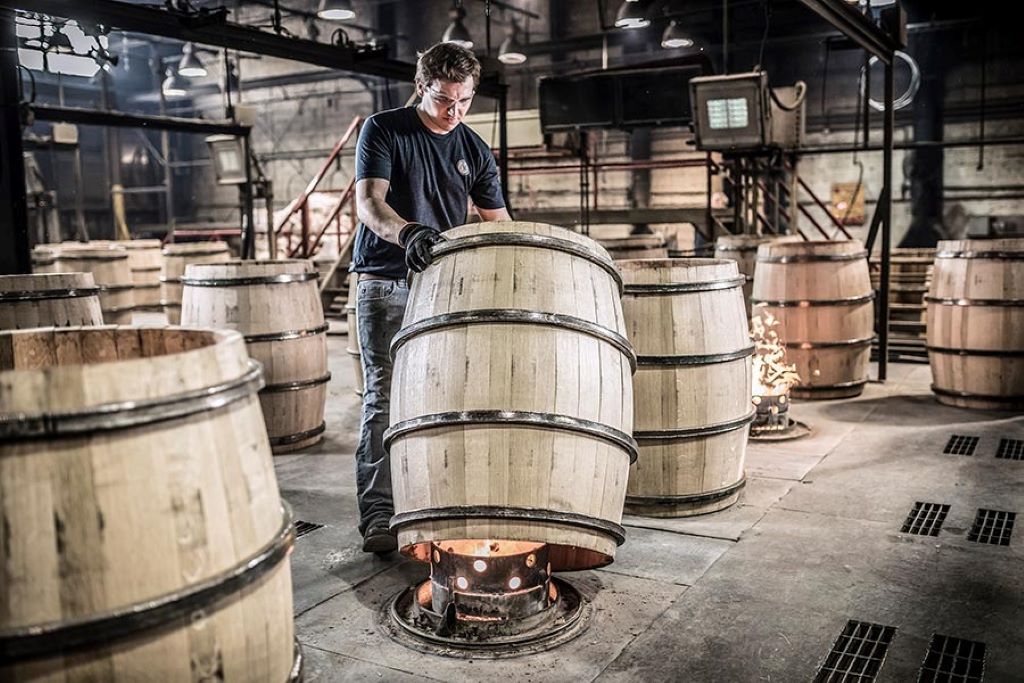
The charring process creates another layer of complexity in fresh barrels. When cooperages flame the interior, they caramelize natural sugars in the wood. Therefore, these caramelized compounds later dissolve into the whiskey, creating notes of butterscotch and brown sugar that define premium spirits.
Why American Bourbon Demands Virgin Oak Requirements
American bourbon law mandates the use of new charred oak barrels for good reason. This requirement isn’t arbitrary tradition but careful regulation designed to preserve flavor integrity. The American law (Bourbon Act) stipulates that whiskey must be matured for at least two years in fresh, burnt-out barrels made of American white oak. However, this legal requirement creates the backbone of bourbon’s distinctive character profile.
The virgin oak requirement ensures consistent flavor development across different bourbon brands. Fresh barrels provide maximum extraction potential, unlike used containers that have already released their primary compounds. Additionally, the new wood’s tannin structure helps bourbon develop its signature spicy finish and amber coloration.
Therefore, when you taste authentic bourbon, you’re experiencing the full potential of American white oak. The law protects consumers while maintaining the spirit’s traditional character. This regulation also explains why bourbon barrels become highly sought after by other industries once their primary use ends.
The Science Behind Oak Barrel Whiskey Aging Processes
Through the microscopic pores of the oak barrel, oxygen seeps in and interacts with the whiskey, a process known as oxidation. This gentle exposure to air rounds out the harsher alcohols, softening the spirit and allowing the flavors to meld harmoniously. However, this oxidation process works differently in new versus used barrels.
Fresh oak provides optimal porosity for controlled oxidation. The wood’s cellular structure remains intact, allowing precise air exchange rates. Additionally, new barrels haven’t developed the coating of extracted compounds that can seal pores over time. Therefore, virgin oak delivers superior breathability for proper whiskey maturation.
The temperature fluctuations in warehouses create expansion and contraction cycles. These cycles force whiskey deeper into the wood grain, then draw it back out with extracted flavors. However, new oak responds more dramatically to these changes, accelerating the aging process compared to seasoned barrels.
Charring Levels and Their Impact on Whiskey Flavor Development
Cooperages offer different char levels for new oak barrels, typically ranging from light char #1 to heavy char #4. Each level creates distinct flavor profiles in the finished whiskey. Light charring preserves more of the wood’s natural vanilla compounds, while heavy charring develops deeper caramel and spice notes.
However, the charring process does more than create flavor compounds. It also removes harsh tannins that could make whiskey astringent. Additionally, the carbon layer formed during charring acts as a natural filter, removing unwanted sulfur compounds from the spirit. Therefore, proper charring transforms raw wood into an ideal aging vessel.
Master distillers often specify exact char requirements for their barrels. This precision ensures consistency across different production batches. The char level becomes part of each whiskey’s signature, contributing to brand identity and consumer expectations.
Economic Impact of New Oak Barrel Requirements
The mandate for new oak barrels significantly impacts whiskey production costs. A single new American oak barrel can cost between $300-600, depending on size and quality. However, this investment pays dividends through the premium pricing that properly aged whiskey commands in the marketplace.
Additionally, the requirement creates a thriving secondary market for used bourbon barrels. Scotch whisky producers, wine makers, and craft beer brewers eagerly purchase once-used barrels. Therefore, distilleries can recoup some of their oak investment through barrel sales after primary use.
The economic model also supports American forestry and cooperage industries. Established in 1972, the Oak Cooperage handcrafts American oak barrels for wine and whiskey, representing just one of many family businesses built around this tradition. This interdependence creates jobs and maintains traditional craftsmanship skills.
Comparing New Oak Versus Previously Used Barrel Aging
The flavors and tannins imparted by oak to the wine during maturation are most pronounced during the 1st fill (new oak barrel). At each subsequent fill, the extraction of oak flavor decreases. 2nd fill barrels will likely impart about half of the oak flavors compared to a new barrel. However, this principle applies equally to whiskey production.
New oak barrels provide maximum flavor extraction during the first use. The virgin wood releases its full complement of vanillin, lactones, and tannins into the spirit. Additionally, fresh barrels impart color more effectively, creating the rich amber hues associated with premium whiskey.
Previously used barrels offer subtler influence on subsequent spirits. Therefore, many Scotch whisky producers prefer ex-bourbon barrels for their gentler flavor contribution. This approach allows the whisky’s original character to shine through without overwhelming oak influence.
Temperature and Climate Effects on New Oak Barrel Aging
Climate plays a crucial role in how new oak barrels age whiskey. Warehouses in Kentucky experience dramatic temperature swings that accelerate maturation. However, cooler climates like Scotland produce different aging characteristics, even when using new oak.
The expansion and contraction of wood fibers increases extraction rates in variable climates. Additionally, higher temperatures speed up chemical reactions between wood compounds and alcohol. Therefore, the same new oak barrel will produce different results depending on warehouse location.
Humidity levels also affect how new barrels behave during aging. Low humidity increases evaporation through the wood, concentrating flavors but reducing yield. However, high humidity slows evaporation while potentially encouraging different types of chemical interactions.
Quality Control Standards for New Oak Barrel Production
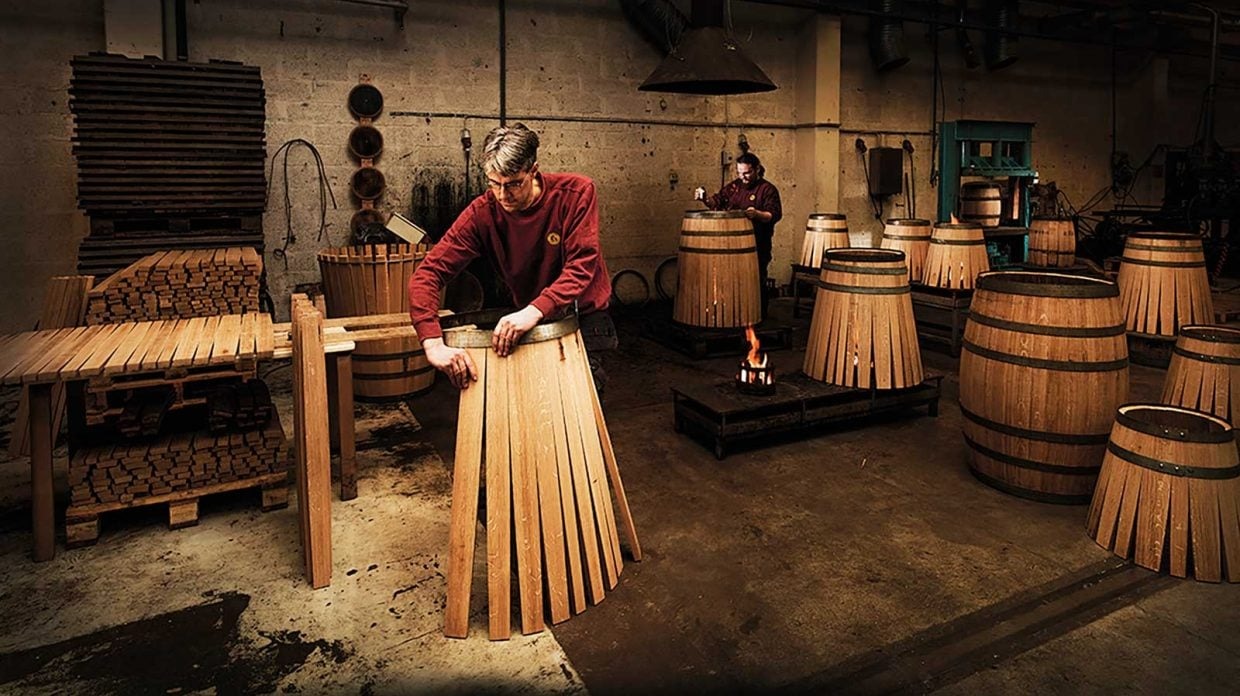
Premium cooperages maintain strict standards for new barrel production. Crafted with precision and hand-selected, air-dried oak, our barrels are trusted by award-winning distilleries, wineries, and producers worldwide. However, the quality control process begins long before barrel assembly.
Air-drying timber for 2-4 years removes harsh tannins naturally. This process costs more than kiln-drying but produces superior flavor characteristics in the finished barrel. Additionally, proper seasoning prevents excessive tannin extraction that could overwhelm delicate spirits.
Cooperage craftsmen inspect each stave for grain density and defects. Therefore, only the finest pieces make it into premium new barrels. This attention to detail ensures consistent performance across different production lots.
Regional Oak Variations in Fresh Barrel Production
Different regions produce oak with distinct characteristics for new barrel making. American white oak from Missouri offers different flavor compounds than timber from Minnesota or Pennsylvania. However, all must meet specific standards for whiskey barrel production.
French oak provides different tannin structures and flavor compounds compared to American varieties. Additionally, Hungarian and Eastern European oak species offer unique characteristics for specialized applications. Therefore, distillers can choose specific oak origins to achieve desired flavor profiles.
The terroir concept applies to oak trees just as it does to wine grapes. Soil conditions, climate, and growing patterns all influence the wood’s chemical composition. The moisture of the rain, the warmth of the sun and the drying by the wind gently mature the wood, whereby unwanted, hard tannins are washed out of the cells.
Innovation in New Oak Barrel Technology
Modern cooperages combine traditional craftsmanship with scientific advancement. Computer-controlled charring systems ensure consistent results across large production runs. However, many premium operations still rely on experienced coopers’ expertise for final quality assessment.
Research into alternative toasting methods offers new possibilities for flavor development. Additionally, some cooperages experiment with different wood treatments before barrel assembly. Therefore, the future of new oak barrels continues evolving while respecting traditional methods.
Sustainable forestry practices ensure continued availability of quality oak timber. Responsible harvesting and replanting programs protect this renewable resource for future generations. The industry recognizes its dependence on healthy forests and acts accordingly.
Common Mistakes When Working with New Oak Barrels
Over-aging represents the most common mistake when using new oak barrels. Fresh wood’s intensity can overwhelm delicate spirits if aging extends too long. However, finding the optimal aging period requires experience and regular sampling.
Improper barrel preparation leads to off-flavors in the finished product. New barrels must be properly cleaned and sometimes pre-treated before filling. Additionally, inadequate quality control during barrel selection can introduce unwanted characteristics.
Therefore, successful new oak barrel aging demands careful monitoring and expertise. Master distillers develop intuitive understanding of how their specific barrels behave under different conditions. This knowledge comes only through years of hands-on experience.
The Future of New Oak Barrels in Whiskey Production
The Abraham Bowman Oak Series explores cask maturation in different oak varietals from around the world, as well as the effect charring has on the flavor of whiskey. However, innovation doesn’t mean abandoning proven methods but expanding possibilities within established frameworks.
Smaller barrel sizes accelerate aging for craft distillers. Smaller barrel sizes accelerate the aging process, allowing you to enjoy your perfectly aged spirits in as little as 2 weeks. Additionally, alternative wood treatments offer new flavor possibilities while maintaining traditional quality standards.
Therefore, the future of new oak barrels combines respect for tradition with creative innovation. Master distillers continue pushing boundaries while honoring the fundamental principles that create exceptional whiskey.
Tips for Selecting Quality New Oak Barrels
Key Factors to Consider:
- Air-dried timber (24-48 months minimum)
- Proper grain orientation and density
- Consistent char levels throughout interior
- Reputable cooperage with quality certifications
- Appropriate size for intended aging timeline
Red Flags to Avoid:
- Kiln-dried timber (produces harsh flavors)
- Visible defects or irregular grain patterns
- Inconsistent charring or cold spots
- Unusually low pricing (often indicates shortcuts)
- Lack of traceability for timber origins
Conclusion
New oak barrels remain the cornerstone of exceptional whiskey production, transforming harsh new-make spirit into liquid poetry. The science behind fresh wood’s chemical contribution creates 50-80% of whiskey’s final flavor profile. However, success with virgin oak demands understanding, patience, and respect for traditional craftsmanship.
Whether you’re a distillery owner investing in premium cooperage or an enthusiast appreciating the complexity in your glass, new oak barrels represent whiskey’s most fundamental element. The marriage between American white oak and grain spirit continues defining our favorite spirits. Additionally, this ancient partnership promises to evolve while maintaining its essential character.
Therefore, the next time you savor a well-aged bourbon or experiment with virgin oak finishing, remember the remarkable journey from forest to bottle. Share your thoughts about oak barrel experiences in the comments below, and help fellow whiskey lovers discover the magic behind new oak barrels in whiskey making.
Frequently Asked Questions
What makes new oak barrels essential for bourbon production? American law requires bourbon to age in new charred oak barrels. This ensures maximum flavor extraction and creates bourbon’s distinctive vanilla, caramel, and spice characteristics that define the category.
How long should whiskey age in new oak barrels? Aging time varies by style and desired flavor profile. Bourbon typically requires 2-12 years, while new oak finishing for other whiskeys may need only 6-18 months to avoid over-oaking.
Why are new oak barrels more expensive than used ones? New barrels cost $300-600 each due to timber quality, air-drying processes, and skilled cooperage labor. Used barrels cost less because they’ve already provided maximum extraction value to their original user.
Can you reuse new oak barrels for whiskey aging? While technically possible, reused barrels provide significantly less flavor extraction. Most distillers sell once-used barrels to other industries rather than reusing them for premium whiskey production.
What’s the difference between American and European oak for new barrels? American oak provides vanilla and coconut flavors with tighter grain structure. European oak offers more tannins and spice notes but costs significantly more and requires longer seasoning periods.
Read More:
Wine Etiquette: Guide to Sipping with Style