

Stella Rosa wines have become incredibly popular across America. These semi-sweet, semi-sparkling wines come in many exciting flavors. However, many wine lovers wonder what grape varieties create these delicious beverages. This comprehensive guide explores the specific grapes used in each Stella Rosa flavor.
Understanding Stella Rosa’s Italian Heritage
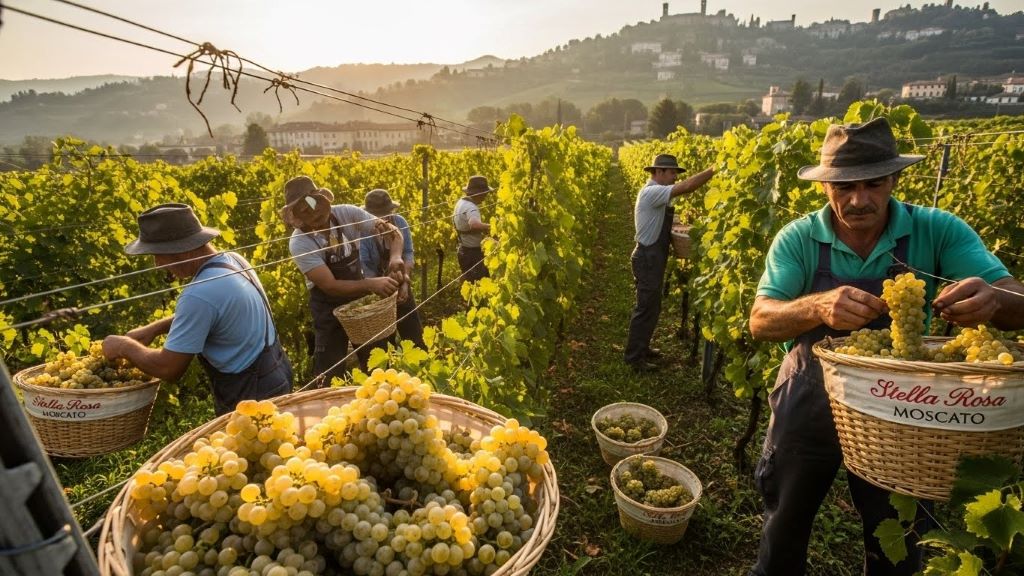
Stella Rosa wines come from the Piedmont region of Italy. This area is famous for producing high-quality aromatic grapes. The Riboli family chose Asti, a province in Piedmont, as the source for their signature wines. Additionally, this region holds special significance as the birthplace of the family matriarch, Maddalena Riboli.
The winemaking tradition behind Stella Rosa spans over a century. The family founded San Antonio Winery in Los Angeles in 1917. Nevertheless, they import their wines directly from Italy to maintain authentic Italian flavors. According to VinePair, Stella Rosa wines are produced in northern Piedmont, home to expensive Barolo wines, though Stella Rosa maintains affordable pricing.
Primary Grape Varieties in Stella Rosa Wines
Several key grape varieties form the foundation of Stella Rosa’s wine collection. Understanding these grapes helps explain the distinct characteristics of each flavor.
Brachetto is a red Italian grape variety used extensively in Stella Rosa wines. This grape creates the signature semi-sweet, semi-sparkling style. It provides natural fruitiness and a gentle effervescence. Many of the red and berry-flavored wines rely heavily on Brachetto grapes.
Moscato, also called Muscat Canelli, is another cornerstone grape. This aromatic white grape brings floral notes and natural sweetness. The Moscato grape originates from the Asti region and creates wines with notes of peaches, apricots, and honey. Therefore, many white and lighter-colored Stella Rosa wines feature Moscato prominently.
Barbera is an Italian red grape that adds color and structure. This grape variety contributes to the beautiful pink and red hues in certain wines. While not always the primary grape, Barbera plays an important supporting role.
Nebbiolo appears in some Stella Rosa red blends. This prestigious grape is famous in Piedmont for creating Barolo wines. However, Stella Rosa uses it sparingly to add complexity without overwhelming the fruit-forward profile.
Stella Rosa Black Grape Composition
Stella Rosa Black stands as the brand’s most iconic wine. This wine is made primarily from the Brachetto grape. The Brachetto provides the foundation for its jammy dark berry flavors.
The wine features natural flavors of blackberry, blueberry, and raspberry. These fruit additions complement the grape’s inherent characteristics. With 5.5 percent alcohol by volume, this semi-sweet wine offers approachable drinkability. Consequently, it remains perfect for wine newcomers and enthusiasts alike.
Stella Rosa Rosso and Its Grape Blend
Stella Rosa Rosso holds historical significance as America’s first semi-sweet, semi-sparkling red wine from Asti. This wine is a red blend made from Nebbiolo, Barbera, and Brachetto grape varieties. Each grape contributes unique characteristics to the final product.
The Nebbiolo adds depth and complexity. Barbera provides structure and color. Meanwhile, Brachetto brings the signature sweetness and sparkle. Fresh strawberry and red cherry flavors dominate the palate. This 5.5 percent alcohol wine pairs beautifully with various foods from pasta to desserts.
Moscato Varieties and Their Grapes
Stella Rosa offers several Moscato-based wines. The Moscato d’Asti is produced entirely from Muscat Canelli grapes from the Asti region. This wine showcases pure Moscato characteristics without additional grape varieties.
The classic Stella Rosa Moscato also features Muscat Canelli grapes primarily. It delivers notes of ripe apricots, peaches, and honey. The light effervescence and fragrant bouquet make it elegant and enjoyable. This 5.5 percent alcohol wine works wonderfully for celebrations and brunches.
Fruity Flavor Varieties and Their Base Grapes
Many Stella Rosa wines combine specific grape varieties with natural fruit flavors. Understanding the grape base helps appreciate how these wines achieve their taste profiles.
Stella Rosa Peach uses a proprietary blend of Moscato grapes. The Muscat Canelli provides the foundation, which is then infused with natural peach flavor. At 5 percent alcohol, it creates a uniquely refreshing experience.
Stella Rosa Blueberry features Brachetto grapes combined with natural blueberry flavor. The Brachetto’s natural berry characteristics enhance the added blueberry notes. This 5 percent alcohol wine bursts with berry goodness.
Stella Rosa Watermelon blends White Moscato and a touch of Barbera for its beautiful pink color. The Barbera adds the rosy hue while Moscato provides sweetness. Natural watermelon flavor completes this summertime favorite.
Tropical Stella Rosa Varieties
The tropical flavors in Stella Rosa’s lineup feature specific grape selections that complement exotic fruit profiles.
Stella Rosa Tropical Mango is produced primarily from the Muscat Canelli grape with other varietals. The Moscato base provides aromatic sweetness. Natural mango and passion fruit flavors create the tropical character. This 5 percent alcohol wine pairs excellently with Asian cuisine.
Stella Rosa Pineapple follows a similar pattern with Moscato grapes. The bright and juicy pineapple flavors combine with classic Stella Rosa sweetness. It works fantastically for tropical-themed parties or beach outings.
Berry and Red Fruit Selections
Several Stella Rosa wines focus specifically on berry and red fruit profiles using strategic grape choices.
Stella Rosa Berry creates a proprietary blend featuring multiple grape varieties. The wine combines strawberry, blackberry, and red berry flavors. This spunky and spirited wine maintains the semi-sweet, semi-sparkling style at 5 percent alcohol.
Stella Rosa Black Cherry uses several Italian grapes with Muscat Blanc as a primary component. The wine combines these grapes with black cherry distillates and puree. The result delivers tart, fresh cherry flavors with refreshing carbonation.
Stella Rosa Pink and Rosé Varieties
Pink and rosé wines from Stella Rosa use specific grape combinations to achieve their delicate colors and flavors.
Stella Rosa Pink is a proprietary blend produced primarily from Moscato grapes with various other Italian varieties. The multiple grape selection creates complexity while maintaining approachability. Berry flavors burst through in this off-dry rosé style wine.
Stella Rosa Rose combines grapes carefully selected for their delicate characteristics. The wine balances grace, beauty, and sweetness qualities. All-natural flavors enhance the off-dry rosé base, creating berry-forward taste profiles.
Specialty and Limited Varieties
Stella Rosa continues expanding their collection with specialty wines featuring unique grape compositions.
Stella Rosa Prosecco is produced from the Glera grape in the northwestern province of Treviso. This naturally sparkling wine differs from the typical semi-sparkling style. Notes of Bosc pear, yellow apple, and lemon characterize this elegant offering.
The Imperiale line features fully sparkling wines using traditional grapes. Stella Rosa Imperiale Black uses Brachetto grapes. Stella Rosa Imperiale Rosso creates a sparkling red blend. These wines offer more pronounced fizz than their semi-sparkling counterparts.
Understanding Proprietary Blends
Many Stella Rosa wines are labeled as proprietary blends. This means the exact grape percentages remain confidential. However, the primary grapes are typically disclosed to consumers.
These proprietary blends allow winemakers flexibility in creating consistent flavor profiles year after year. Different harvests might require slight adjustments in grape ratios. Nevertheless, the signature Stella Rosa taste remains recognizable across vintages.
The Riboli family carefully guards their exact formulations. This protects their unique recipes while maintaining quality standards. Consequently, each bottle delivers the expected Stella Rosa experience.
How Grape Selection Affects Flavor
The choice of grape varieties directly impacts each wine’s final characteristics. Aromatic grapes like Moscato contribute floral notes and natural sweetness. Meanwhile, Brachetto provides berry flavors and gentle sparkle.
Combining different grapes creates balance and complexity. For example, adding Barbera to a Moscato base introduces color and structure. This prevents the wine from tasting one-dimensional. Similarly, Nebbiolo adds sophistication without overwhelming fruit-forward profiles.
Natural fruit flavors enhance rather than mask the grape characteristics. The base grape provides the wine’s foundation. Added flavors complement and amplify existing taste profiles. Therefore, understanding the grape base helps predict how natural flavors will express themselves.
The Charmat Method and Grape Characteristics
Stella Rosa uses the Charmat method to create their sparkling wines. This technique preserves the fresh, fruity characteristics of aromatic grape varieties. The process involves secondary fermentation in pressurized tanks rather than bottles.
This method particularly benefits Moscato and Brachetto grapes. These varieties possess delicate aromatic compounds that might diminish with extended aging. The Charmat method captures their fresh, vibrant flavors. Additionally, it creates the gentle effervescence signature to Stella Rosa wines.
The relatively quick process maintains the grape’s natural fruit characteristics. This explains why Stella Rosa wines taste so fresh and approachable. Traditional champagne methods might obscure the grape’s inherent sweetness and aromatics.
Alcohol Content and Grape Selection
Grape selection influences the final alcohol content in Stella Rosa wines. Most varieties contain between 5 and 5.5 percent alcohol by volume. This lower alcohol level results from specific winemaking choices.
Aromatic grapes like Moscato and Brachetto naturally produce lighter wines. The semi-sweet style requires stopping fermentation before all sugars convert to alcohol. Therefore, residual sugar remains while keeping alcohol levels moderate.
This approach creates wines perfect for casual enjoyment. The lower alcohol content makes them ideal for daytime events and social gatherings. According to Wine Enthusiast, lower alcohol wines have gained popularity for their easy-drinking nature.
Pairing Stella Rosa Wines With Food
Understanding grape varieties helps predict food pairing success. Moscato-based wines pair beautifully with fruit, light salads, and mild cheeses. The floral notes complement delicate flavors without overwhelming them.
Brachetto-based wines work well with heartier fare. Their berry characteristics match nicely with grilled meats and chocolate desserts. The slight sparkle cleanses the palate between bites.
Red blend varieties using Nebbiolo and Barbera handle richer foods. These grapes add structure that stands up to pasta dishes and aged cheeses. Nevertheless, the semi-sweet style prevents them from becoming too heavy.
Quality Control and Grape Selection
The Riboli family maintains strict quality standards for grape selection. Only grapes meeting specific criteria make it into Stella Rosa wines. This ensures consistency across all flavors and vintages.
Grapes must come from approved Piedmont vineyards. The region’s climate and soil create ideal growing conditions for aromatic varieties. Additionally, harvest timing is carefully controlled to achieve optimal ripeness and sugar levels.
Each grape variety undergoes testing before use. This verifies sugar content, acidity, and flavor compounds. Only grapes passing these tests become part of Stella Rosa wines.
The Future of Stella Rosa Grape Varieties
Stella Rosa continues experimenting with new grape combinations and flavors. The brand has expanded from two original wines to over 25 unique offerings. This growth demonstrates ongoing innovation in grape selection and flavor development.
Future varieties might incorporate additional Italian grape varieties. Piedmont produces numerous indigenous grapes perfect for the Stella Rosa style. These lesser-known varieties could create exciting new flavor profiles.
The brand also explores non-alcoholic options using the same grape varieties. These wines maintain the characteristic Stella Rosa taste without alcohol. This expansion allows everyone to enjoy their signature flavors regardless of alcohol preferences.
Conclusion
Stella Rosa wines use carefully selected Italian grape varieties to create their signature flavors. Brachetto and Moscato form the foundation for most varieties, with Barbera and Nebbiolo adding complexity. Each grape contributes specific characteristics that define the final wine. The Muscat Canelli grape dominates white and lighter wines, while Brachetto stars in red and berry varieties. Understanding these grape selections helps consumers appreciate the craftsmanship behind each bottle. Whether you prefer Stella Rosa Black’s Brachetto-based richness or the pure Moscato character of their Moscato d’Asti, knowing the grape varieties enhances your tasting experience. The Riboli family’s commitment to quality grape selection ensures every Stella Rosa wine delivers the fruity, semi-sweet, semi-sparkling experience fans love.
Frequently Asked Questions
What is the main grape used in Stella Rosa Black?
Stella Rosa Black is made primarily from the Brachetto grape variety. This Italian red grape provides the foundation for its signature jammy dark berry flavors and semi-sparkling character. Natural flavors of blackberry, blueberry, and raspberry complement the Brachetto base.
Are Stella Rosa wines made from 100 percent Italian grapes?
Yes, Stella Rosa wines use grapes sourced exclusively from the Piedmont region of Italy. The grapes come from vineyards in and around Asti province. Although the brand was founded in California, all wines are produced in Italy using Italian grape varieties.
What grape variety creates the Moscato flavors in Stella Rosa?
Stella Rosa Moscato wines use Muscat Canelli grapes, also called Moscato grapes. These aromatic white grapes come from the Asti region and provide natural notes of peaches, apricots, and honey. The Moscato d’Asti variety uses 100 percent Muscat Canelli grapes.
Do all Stella Rosa wines use the same grape varieties?
No, different Stella Rosa wines use different grape combinations. Some wines like Black use primarily Brachetto, while others like Rosso blend Nebbiolo, Barbera, and Brachetto. Moscato-based wines feature Muscat Canelli grapes. Each flavor has a specific grape profile chosen to complement added natural flavors.
Why do Stella Rosa wines have lower alcohol content than traditional wines?
The lower alcohol content results from the grape varieties used and the winemaking process. Aromatic grapes like Moscato and Brachetto naturally produce lighter wines. Fermentation stops early to preserve sweetness, leaving residual sugar while keeping alcohol between 5 and 5.5 percent ABV.
Related Topics:
Unraveling the Tale of Italian Nebbiolo Clones: A Journey Through Time
The Fascinating Tale of California’s Zinfandel Grape