
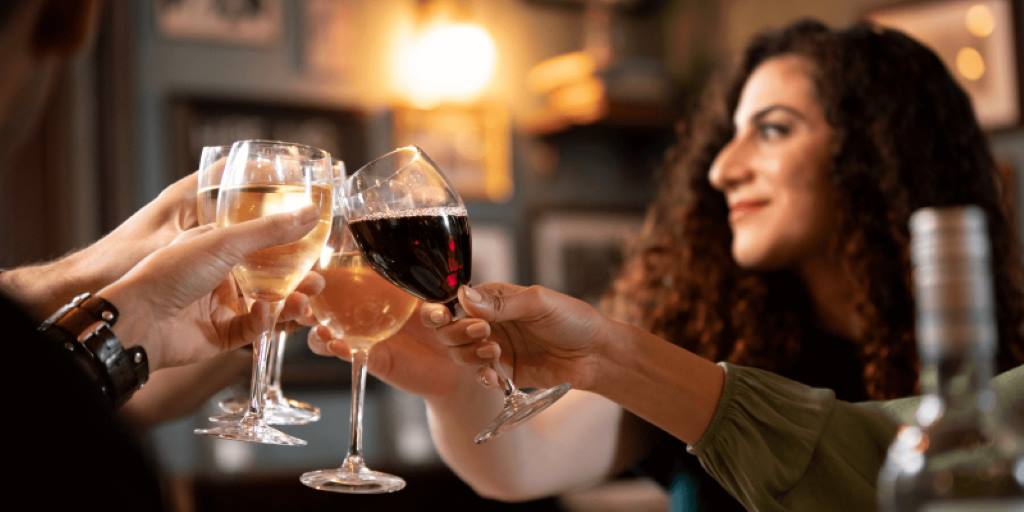
The wine world in 2025 is buzzing with fresh ideas, blending tradition with innovation. From sustainable practices to bold new flavors, these trends reflect changing consumer tastes and global challenges. Whether you’re a casual sipper or a seasoned sommelier, understanding what’s shaping the industry can elevate your wine experience. This blog post dives into the top wine trends of 2025, offering insights to educate, fascinate, and inspire. Discover how eco-friendly choices, emerging regions, and creative formats are redefining wine culture. Ready to explore what’s hot? Let’s uncork the future of wine.
White Wines Surge in Popularity
White wines are stealing the spotlight in 2025, outpacing reds in global consumption. According to the International Organisation of Vine and Wine (OIV), white wine accounts for 43% of global consumption, up 10% over two decades. Varieties like Sauvignon Blanc and Chenin Blanc are favored for their crisp, versatile profiles. Consumers love their lighter body, perfect for casual gatherings or pairing with seafood and plant-based dishes. This shift reflects changing palates, especially among younger drinkers seeking refreshing options.
The rise isn’t just about taste. Warmer climates and health-conscious lifestyles drive demand for low-tannin, food-friendly wines. For example, I recently enjoyed a zesty Albariño at a summer picnic, its bright acidity cutting through the heat perfectly. Winemakers are responding with innovative blends, emphasizing terroir to captivate adventurous sippers. Expect boutique producers to focus on whites, offering unique expressions that highlight regional character. This trend shows no signs of slowing, making white wines a must-try in 2025.
Low- and No-Alcohol Wines Gain Traction
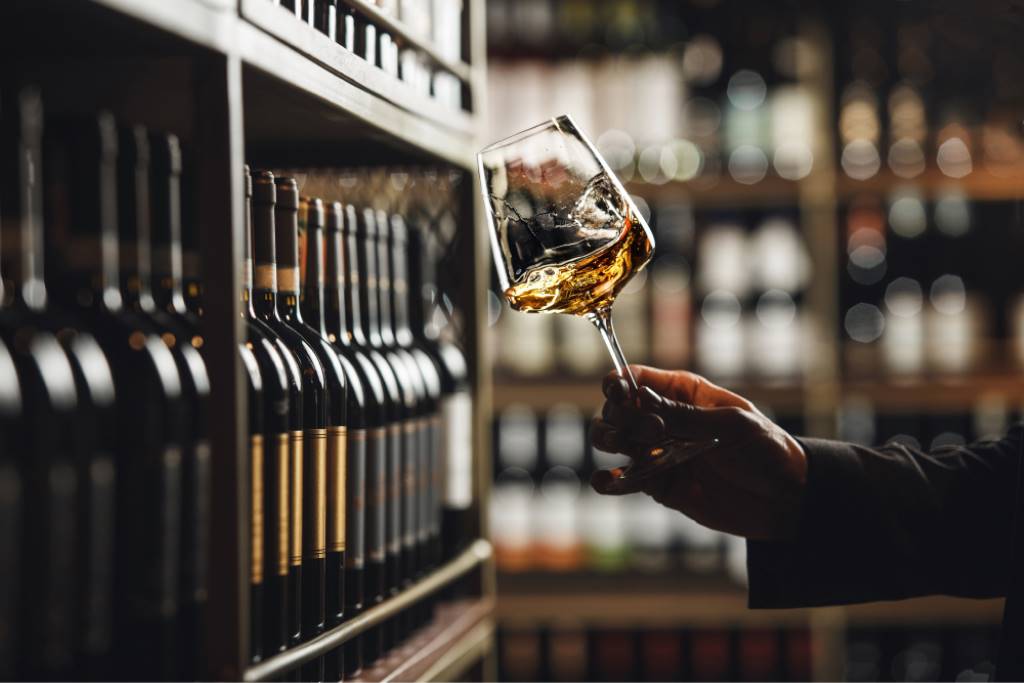
Mindful drinking is reshaping the wine world, with low- and no-alcohol wines surging in 2025. These options cater to health-conscious consumers seeking flavor without the buzz. Major brands like Duckhorn and LVMH, which recently invested in French Bloom’s alcohol-free sparkling wine, are expanding their portfolios. The OIV reports a 2.4% year-on-year growth in low-alcohol wine consumption, driven by younger demographics embracing moderation. These wines use advanced dealcoholization tech to retain complexity, making them more than just a compromise.
I tried a non-alcoholic rosé at a dinner party last month, and its vibrant fruit notes paired beautifully with grilled vegetables. Wineries are crafting sparkling and red options in the 0–5% ABV range, appealing to diverse palates. Bars and restaurants are also stocking these alternatives, reflecting a cultural shift toward wellness. This trend offers exciting opportunities for those exploring sober lifestyles while keeping wine’s social charm intact. Look for premium low-ABV options to dominate menus in 2025.
Sustainability Becomes Non-Negotiable
Sustainability is now a core expectation in the wine industry. Consumers, especially Gen Z, demand transparency in production. Organic and biodynamic farming, water conservation, and minimal-intervention techniques are standard. According to a 2023 USDA report, certified organic vineyards grew by 15% globally since 2020. Winemakers are adopting carbon-neutral practices and lightweight packaging to reduce their environmental footprint. Labels now proudly display certifications like USDA Organic or Demeter, signaling eco-conscious choices.
Last year, I visited a biodynamic vineyard in Oregon, where the winemaker explained how natural cycles guide their process. This approach not only preserves the environment but also enhances wine’s authenticity. Consumers are voting with their wallets, supporting producers who prioritize soil health and resource efficiency. In 2025, expect more wineries to embrace closed-loop systems and promote their green credentials. Sustainability isn’t just a trend—it’s the future of winemaking, ensuring quality and planet-friendly practices go hand in hand.
Emerging Wine Regions Shine Bright
New wine regions are captivating enthusiasts in 2025, offering fresh flavors and affordable prices. Places like Portugal’s Alentejo, Mexico’s Valle de Guadalupe, and Sicily’s Mount Etna are gaining global attention. These areas blend tradition with innovation, producing bold reds and mineral-driven whites. For instance, Alentejo’s Aragonez and Sicily’s Carricante are turning heads for their unique profiles. The OIV notes a 5% rise in exports from emerging regions since 2022, reflecting growing consumer curiosity.
I recently tasted a Nerello Mascalese from Mount Etna, its elegant structure rivaling a French Pinot Noir. These regions appeal to adventurous drinkers seeking stories behind their glass. Affordable land and creative winemaking make them competitive against traditional hubs like Bordeaux. In 2025, expect more sommeliers to highlight these wines, pairing them with diverse cuisines. Exploring these up-and-coming areas is a delicious way to expand your palate and support global wine diversity.
Alternative Packaging Redefines Convenience
Wine packaging is getting a makeover in 2025, driven by sustainability and convenience. Canned wines, boxed options, and lightweight bottles are replacing heavy glass. Canned wines, with a 3.4% year-on-year growth, are perfect for picnics and outdoor events. Boxed wines, once seen as low-quality, now offer premium blends with a lower carbon footprint. According to a 2024 study by the Wine Institute, alternative packaging reduces shipping emissions by 20%.
I brought a canned Sauvignon Blanc to a beach outing, and its portability was a game-changer. These formats appeal to younger consumers who value eco-friendly choices and ease of use. Returnable bottle programs and refillable growlers are also gaining traction, reflecting a circular economy mindset. In 2025, expect restaurants to embrace these options, serving high-quality wines in cans or boxes. This trend makes wine more accessible while aligning with environmental goals, proving innovation can pour beautifully.
Innovative Flavors and Wine Cocktails
Wine is breaking free from tradition with bold flavors and cocktail crossovers in 2025. Soaked wines, like sangria-style infusions with fruits or herbs, are trending on social media. Wine-based ready-to-drink (RTD) cocktails, such as vermouth-forward spritzes, are seeing a 2.4% consumption rise, per Tastewise data. These options blend wine’s depth with cocktail creativity, appealing to those seeking low-ABV drinks. Classic cocktails like the Bamboo (sherry and vermouth) are also making a comeback.
At a recent bar visit, I sipped a wine-based Negroni that balanced bitterness with fruity notes perfectly. This trend reflects a desire for versatile, experience-driven drinks. Winemakers are experimenting with savory or saline profiles, moving away from overly fruity styles. In 2025, expect wine bars to evolve into cocktail lounges, showcasing these innovative blends. This shift invites new drinkers to explore wine in fun, approachable ways, broadening its cultural appeal.
Technology Enhances Winemaking Precision
Technology is transforming winemaking in 2025, blending art with science. AI algorithms predict optimal harvest times, while drones monitor vine health. Blockchain ensures transparency in supply chains, appealing to consumers who value provenance. A 2024 study by the University of California, Davis, found that tech-driven wineries reduced waste by 12% on average. These tools enhance quality and consistency, delivering better wines to your glass.
I toured a winery using fermentation tracking tools, and the precision was impressive—every batch was flawless. Winemakers are adopting satellite imaging to combat climate challenges, ensuring vines thrive in changing conditions. Consumers benefit from fewer flaws and richer flavors. In 2025, expect tech to play a bigger role, with labels highlighting data-driven credentials. This trend fascinates tech-savvy drinkers and ensures wine remains a craft rooted in innovation, ready to meet modern demands.
Conclusion: Sip the Future of Wine
The wine world in 2025 is a vibrant blend of tradition, innovation, and sustainability. White wines, low-alcohol options, and eco-friendly practices are reshaping how we enjoy this timeless beverage. Emerging regions and creative packaging make wine more accessible, while technology and bold flavors elevate the experience. These trends reflect a global shift toward mindful, adventurous drinking. Whether you’re exploring a Sicilian Carricante or a canned spritzer, 2025 invites you to sip with curiosity. Share your favorite wine trend in the comments or spread this article to inspire fellow wine lovers. Cheers to a year of discovery!
FAQs
Why Are White Wines So Popular in 2025?
White wines are popular due to their crisp, versatile profiles, appealing to younger drinkers and warmer climates. They pair well with diverse cuisines.
What Makes Low-Alcohol Wines Appealing?
Low-alcohol wines offer flavor without the buzz, aligning with health-conscious lifestyles. Advanced tech ensures they taste complex and balanced.
How Does Sustainability Impact Wine Choices?
Sustainability drives consumer choices, with organic and biodynamic wines gaining traction. Eco-friendly practices reflect transparency and environmental care.
Which Emerging Wine Regions Should I Explore?
Try Portugal’s Alentejo, Sicily’s Mount Etna, or Mexico’s Valle de Guadalupe for unique, high-quality wines at approachable prices.
Are Canned Wines High Quality in 2025?
Yes, canned wines now offer premium blends, with improved quality and eco-friendly benefits, perfect for casual, sustainable sipping.