
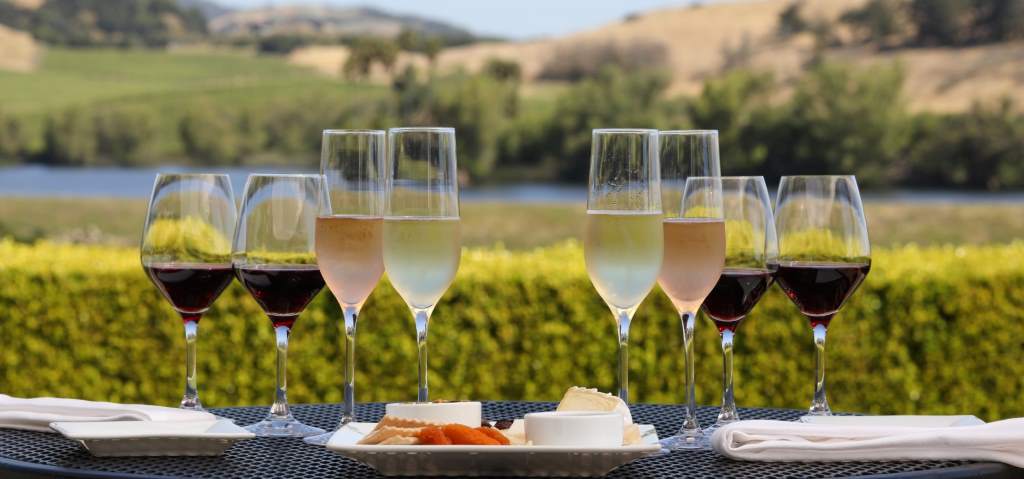
Napa Valley, a gem in California’s wine country, is renowned for its world-class wines and stunning vineyards. This region, famous for its Cabernet Sauvignon and Chardonnay, offers a rich tapestry of Napa Valley wines that captivate both novice and seasoned wine lovers. Whether you’re planning a visit or exploring from home, discovering the best wines from Napa Valley is a delightful journey. From bold reds to crisp whites, the valley’s unique terroir produces exceptional varietals. In this guide, we’ll explore top Napa Valley wines, share tasting tips, and highlight must-try bottles. Get ready to savor the essence of this iconic region and uncover the best wines from Napa Valley that deserve a spot in your collection.
Why Napa Valley Wines Stand Out Globally
Napa Valley’s reputation for producing top-tier wines stems from its unique geography and climate. Nestled between the Mayacamas and Vaca mountain ranges, the valley enjoys a Mediterranean climate, ideal for grape cultivation. According to the Napa Valley Vintners, the region accounts for just 4% of California’s wine production but garners global acclaim for its quality. Its diverse soils—volcanic, alluvial, and clay—create distinct flavor profiles across 16 sub-AVAs like Stags Leap and Howell Mountain.
The 1976 Judgment of Paris, where Napa’s Stag’s Leap Cabernet Sauvignon and Chateau Montelena Chardonnay outshone French wines, cemented its prestige. This historic event showcased Napa’s ability to craft wines with balance, depth, and elegance. From robust reds to vibrant whites, Napa Valley wines reflect meticulous winemaking and terroir-driven excellence, making them a favorite among enthusiasts worldwide.
Personally, visiting Napa Valley last summer left me in awe. Tasting a Rutherford Cabernet at a family-owned winery, I felt the region’s passion in every sip. The wine’s rich fruit and smooth tannins were unforgettable, sparking my love for Napa’s offerings.
Top Red Wines to Try in Napa Valley
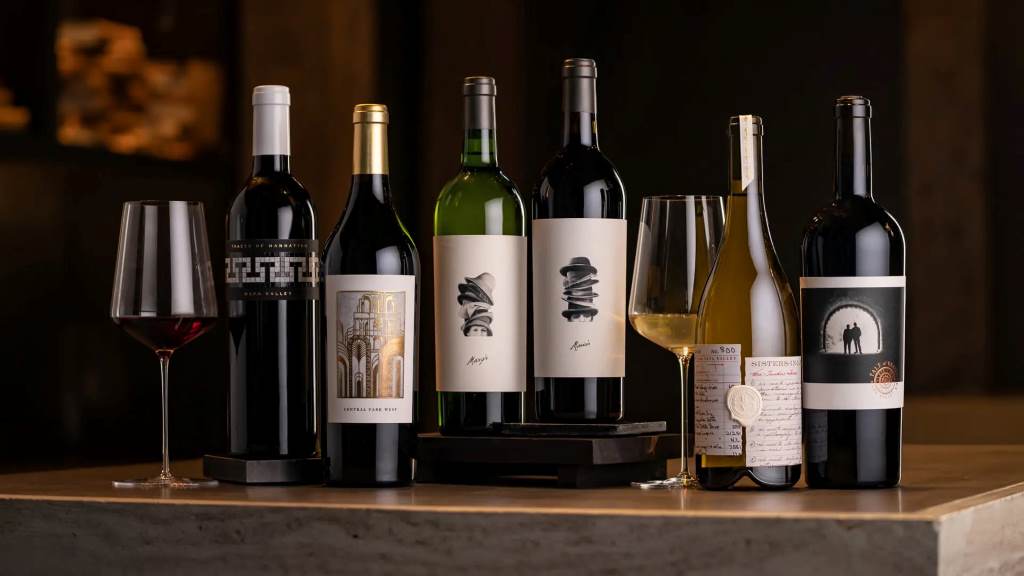
Napa Valley’s red wines, particularly Cabernet Sauvignon, are the region’s crown jewels. This varietal dominates, covering 40% of Napa’s vineyards, per the Napa Valley Vintners. Its bold flavors of black cherry, cassis, and vanilla shine in bottles like the 2019 Opus One, a Bordeaux-style blend with velvety tannins. Merlot, another standout, offers softer, plummy notes, as seen in Duckhorn’s 2020 Merlot, perfect for casual sipping.
Zinfandel, Napa’s historic grape, delivers jammy, spicy flavors. The 2021 Red Brick Winery Zinfandel bursts with blackberry and pepper, pairing beautifully with hearty dishes. For something unique, try Cabernet Franc from La Jota Vineyards, with its bright acidity and savory herbs. These reds showcase Napa’s versatility, from robust to refined, catering to diverse palates.
My first taste of Napa Zinfandel at a local festival was a revelation. Its bold fruit and spice paired perfectly with barbecue, making it a crowd-pleaser among friends. Exploring these reds will elevate your wine experience.
Must-Try White Wines from Napa Valley
While Napa is famed for reds, its white wines are equally compelling. Chardonnay, the region’s top white, spans crisp to creamy styles. The 2021 Cakebread Cellars Chardonnay, with its pineapple and vanilla notes, exemplifies Napa’s rich yet balanced approach. Sauvignon Blanc, like Cliff Lede’s 2022, offers zesty tropical fruit, ideal for seafood pairings.
Chenin Blanc, though less common, is a hidden gem. Red Brick Winery’s Chenin Blanc delivers green apple and honey, perfect as an aperitif. According to a 2023 Wine Institute report, Napa’s white wines are gaining popularity for their vibrant acidity and food-friendly profiles. These varietals thrive in cooler sub-regions like Carneros, where fog preserves freshness.
During a winery tour, I sampled a chilled Sauvignon Blanc on a sunny terrace. Its citrusy zest was refreshing, complementing a light lunch perfectly. These whites are a must for any wine enthusiast seeking Napa’s finest.
Sparkling Wines: Napa’s Bubbly Delights
Napa Valley’s sparkling wines rival Champagne, thanks to traditional methods and cool-climate grapes. Domaine Carneros’ Estate Brut Cuvée, a blend of Chardonnay and Pinot Noir, offers brioche and apple notes, ideal for celebrations. Schramsberg’s Blanc de Blancs, served at a 1972 White House dinner, boasts citrus and honeycomb flavors.
The region’s sparkling wine production, though small, is meticulous, with hand-harvested grapes and extended bottle aging. These bubblies, often from Carneros’ cool soils, deliver crisp acidity and elegance. Pair them with oysters or caviar for a luxurious experience.
At a friend’s wedding in Napa, I toasted with Domaine Carneros sparkling wine. Its fine bubbles and creamy texture made the moment unforgettable. Exploring Napa’s sparkling wines adds a festive touch to any occasion, showcasing the valley’s versatility.
Lesser-Known Varietals Worth Exploring
Beyond Cabernet and Chardonnay, Napa Valley offers intriguing lesser-known varietals. Petite Sirah, with its inky color and dense tannins, shines in Turley Wine Cellars’ Hayne Vineyard bottling, revealing blackberry and spice. Pinot Bianco, as crafted by Massican, brings fresh peach and acidity, a nod to Italian inspiration.
Cabernet Franc, often a blending grape, steps into the spotlight with Brion’s Sleeping Lady Vineyard, offering red berry and tobacco notes. These varietals, though less planted, highlight Napa’s innovation. A 2024 Wine Enthusiast report notes a growing interest in such grapes, reflecting consumer demand for diversity.
Sampling Massican’s Pinot Bianco at a tasting room was a delightful surprise. Its bright, crisp profile stood out, sparking curiosity about Napa’s hidden gems. These varietals offer a fresh perspective for adventurous wine lovers.
Tips for Tasting Napa Valley Wines Like a Pro
Tasting Napa Valley wines is an art that enhances appreciation. Here are expert tips to elevate your experience:
- Start with Whites: Begin with lighter wines like Sauvignon Blanc to avoid palate fatigue.
- Use Spit Buckets: Spitting preserves sobriety and reduces fatigue, especially for multiple tastings.
- Eat Before Tasting: A light meal, like nuts or bread, prevents alcohol from overpowering your palate.
- Limit Tastings: Stick to 2–3 wineries daily to fully savor each wine’s nuances.
- Ask Questions: Engage with winery staff to learn about varietals and winemaking processes.
Visiting Stag’s Leap, I followed these tips and found the experience enriching. Asking about their Cabernet’s aging process deepened my understanding.
Pairing Napa Valley’s Finest Wines with Food
Pairing Napa Valley wines with food enhances both flavors. Cabernet Sauvignon, with its bold tannins, pairs well with red meats or aged cheeses. Try Opus One with a grilled ribeye for a perfect match. Chardonnay’s creamy texture complements seafood or creamy pastas, like Cakebread with lobster ravioli.
Zinfandel’s spice shines with smoky barbecue or pizza, while Sauvignon Blanc’s zest pairs with goat cheese or salads. Sparkling wines, like Domaine Carneros Brut, elevate oysters or caviar. A 2023 Wine Institute study highlights Napa wines’ versatility, making them ideal for diverse cuisines.
Hosting a dinner, I paired Merlot with roasted lamb, and the combination was a hit. Experimenting with pairings can transform your meals into memorable experiences, showcasing Napa’s culinary compatibility.
Best Wineries to Source Napa Valley Wines
Napa Valley boasts over 400 wineries, each offering unique wines. Here are top picks:
- Stag’s Leap Wine Cellars: Famous for its 1976 Judgment of Paris-winning Cabernet Sauvignon.
- Domaine Carneros: Renowned for sparkling wines and elegant tasting experiences.
- Cakebread Cellars: Known for consistent, high-quality Chardonnay and Cabernet.
- Opus One: Offers luxurious Bordeaux-style blends with stunning vineyard views.
- Red Brick Winery: Crafts diverse varietals like Zinfandel and Chenin Blanc sustainably.
Visiting Cakebread, I was charmed by their welcoming atmosphere and rich Chardonnay. These wineries, spread across sub-AVAs like Rutherford and Carneros, provide exceptional wines and memorable visits.
Conclusion: Savor Napa Valley’s Wine Legacy
Napa Valley wines embody a legacy of excellence, from iconic Cabernet Sauvignon to vibrant Chardonnay and sparkling gems. The region’s unique terroir, celebrated since the 1976 Judgment of Paris, produces bottles that captivate globally. Whether you’re sipping a bold red or a crisp white, Napa’s offerings promise unforgettable experiences. Exploring these wines, either at home or in the valley, connects you to a tradition of passion and craftsmanship. Share your favorite Napa Valley wine in the comments or spread this guide to inspire fellow enthusiasts. Cheers to discovering the best wines from Napa Valley!
FAQs
What makes Napa Valley wines unique?
Napa’s Mediterranean climate, diverse soils, and meticulous winemaking create distinctive, high-quality wines with rich flavors and balance.
Which Napa Valley wine is best for beginners?
Merlot, with its soft tannins and plummy notes, like Duckhorn’s 2020 Merlot, is approachable and versatile for new wine drinkers.
Can I visit Napa Valley wineries without a reservation?
Some wineries, like Rutherford Hill, accept walk-ins, but reservations are recommended, especially on weekends, to ensure availability.
What food pairs best with Napa Valley Cabernet Sauvignon?
Cabernet Sauvignon pairs excellently with red meats, aged cheeses, or truffle-infused dishes, enhancing its bold, dark fruit flavors.
Are Napa Valley wines expensive?
Napa wines range from $15–$100+, with premium bottles like Opus One costing more due to their quality and reputation.