
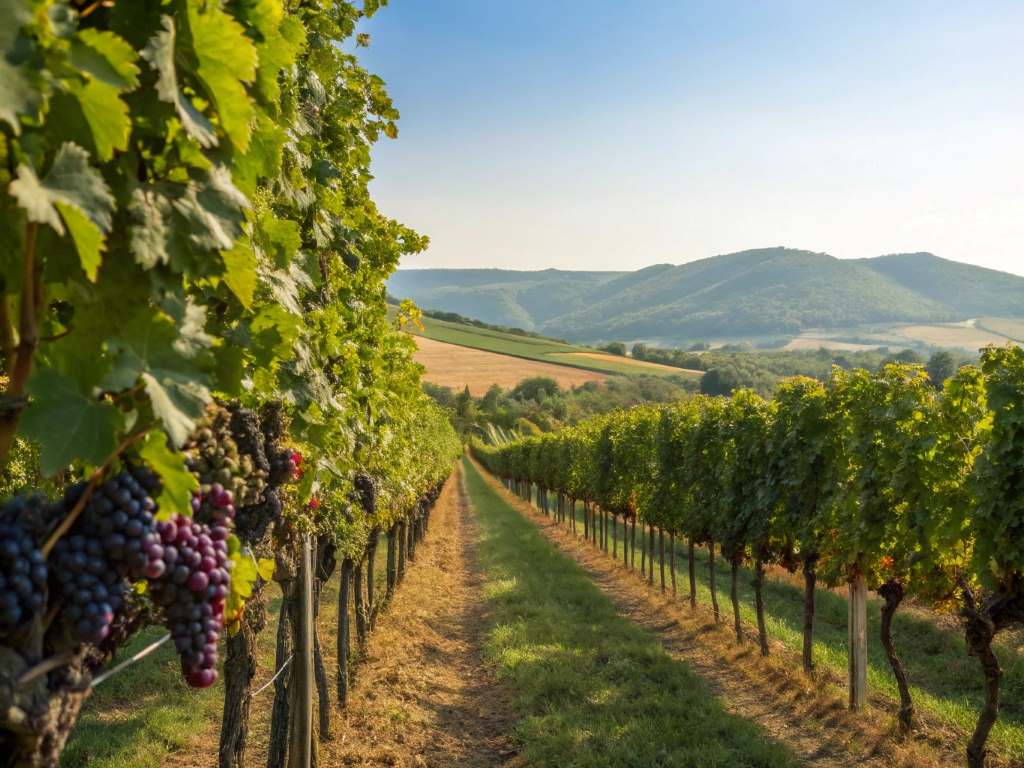
Grapes tell stories of culture, land, and tradition. Local grape varieties, often called indigenous grapes, carry the soul of their regions. From the rolling hills of Tuscany to the sun-drenched vineyards of Rioja, these grapes shape local identity and history. They connect people to their roots, preserving centuries-old winemaking practices. For instance, my first sip of a Sangiovese-based Chianti in Italy felt like tasting history itself. This blog dives into the cultural importance of local grape varieties, exploring their heritage, flavors, and role in shaping communities. Join me to uncover why these grapes are more than just fruit—they’re a legacy.
What Are Local Grape Varieties?
Local grape varieties are grapes native to specific regions, adapted to their climate and soil. Unlike global varieties like Cabernet Sauvignon, indigenous grapes like Tempranillo or Nebbiolo thrive in their home territories. They’ve been cultivated for centuries, often passed down through generations. These grapes reflect the unique terroir—soil, weather, and geography—of their region.
Their cultural importance lies in their deep ties to local traditions. For example, in Georgia, Saperavi grapes are used in ancient qvevri winemaking, a UNESCO-recognized practice. According to a 2023 study by the International Wine Organization, over 1,300 indigenous grape varieties exist globally, many at risk of extinction. Preserving them maintains biodiversity and cultural heritage. My visit to a small Georgian winery showed me how these grapes unite communities through shared history.
A Legacy Woven into Winemaking Traditions

Local grape varieties are central to regional winemaking. In Italy, Sangiovese defines Chianti and Brunello wines, embodying Tuscan pride. Similarly, Portugal’s Touriga Nacional shapes robust Port wines. These grapes aren’t just ingredients; they’re symbols of identity. Winemakers often follow ancestral methods, like foot-treading grapes in Spain’s Rioja region.
This connection runs deep. During a harvest festival in Bordeaux, I saw families celebrate with wines made from local Merlot and Malbec. According to a 2021 report by Wine Institute, regions relying on indigenous grapes contribute $50 billion annually to global wine economies. These traditions foster community pride and attract tourists. However, modern farming pressures threaten these varieties, making their preservation vital for cultural continuity.
The Role of Local Grapes in Festivals and Rituals
Local grape varieties shine during cultural events. In Spain, the La Rioja Wine Festival celebrates Tempranillo with grape-stomping and tastings. In Greece, Assyrtiko grapes star in Santorini’s harvest feasts. These festivals strengthen community bonds and honor heritage. They also draw global visitors, boosting local economies.
For instance, I attended a grape harvest in Puglia, where Primitivo wines flowed freely. Locals shared stories of their ancestors’ winemaking, creating a sense of belonging. A 2022 study by the European Wine Tourism Association found that wine festivals increase regional tourism by 15%. Yet, climate change challenges these traditions, as shifting weather patterns affect grape yields. Supporting local grapes ensures these vibrant rituals endure.
Key Festivals Celebrating Local Grapes
- La Rioja Wine Festival: Features Tempranillo with parades and tastings.
- Santorini Harvest Festival: Showcases Assyrtiko with food and music.
- Chianti Classico Expo: Highlights Sangiovese through wine tours.
Preserving Local Grape Varieties for Future Generations
Preserving local grape varieties is crucial for cultural and environmental reasons. Many varieties, like Italy’s Aglianico, face extinction due to commercial farming favoring global grapes. Efforts like seed banks and sustainable viticulture help protect them. Organizations like Slow Food International promote indigenous grapes to maintain biodiversity.
In Sicily, I met a winemaker dedicated to reviving Nero d’Avola. His passion showed how these grapes tie people to their land. According to a 2024 UNESCO report, preserving local grape varieties supports 20% of global agricultural heritage sites. However, challenges like urbanization and monoculture threaten progress. Community support and eco-friendly practices can ensure these grapes thrive for future generations.
The Unique Flavors of Local Grapes
Local grape varieties offer distinct flavors that global grapes can’t match. For example, Nebbiolo from Piedmont delivers bold, tarry notes, while Greece’s Xinomavro offers spicy, red-fruit flavors. These profiles reflect their terroir, making each sip a journey. Winemakers cherish these grapes for their authenticity.
Tasting a glass of Saperavi in Georgia, I noticed its deep, inky richness, unlike anything else. A 2023 study by the Journal of Wine Research found that 70% of wine enthusiasts prefer local varieties for their unique taste. Yet, limited production makes them harder to find globally. Exploring these grapes through wine tastings or travel can deepen your appreciation for their cultural significance.
Challenges Facing Local Grape Varieties
Local grape varieties face threats from climate change, globalization, and industrial farming. Rising temperatures alter growing seasons, reducing yields for grapes like Sangiovese. Global demand for uniform wines pushes farmers toward popular varieties, sidelining indigenous ones. This risks losing cultural heritage.
In Tuscany, I spoke with a farmer struggling to maintain his Sangiovese vines amid erratic weather. A 2024 study by the International Vine and Wine Organization noted a 10% decline in indigenous grape cultivation over the past decade. Solutions like organic farming and government subsidies can help. Supporting local wineries ensures these varieties—and their stories—survive.
How Local Grapes Shape Regional Identity
Local grape varieties define regional pride. In France, Rhône’s Grenache embodies the region’s rustic charm. In South Africa, Pinotage reflects a unique winemaking heritage. These grapes are more than crops; they’re cultural emblems, woven into local art, literature, and cuisine.
Visiting a Rhône winery, I saw how Grenache wines sparked local pride during tastings. According to a 2022 Wine Culture Report, regions with strong local grape traditions see 25% higher community engagement. However, globalization dilutes this identity as international varieties dominate. By choosing wines made from local grapes, you support communities and their unique legacies.
Conclusion
Local grape varieties are more than ingredients—they’re cultural treasures. From Tempranillo in Spain to Saperavi in Georgia, these grapes carry centuries of tradition, flavor, and identity. They connect us to the land and its people, as I learned sipping Chianti in Tuscany. Yet, challenges like climate change and globalization threaten their survival. By supporting local wineries and festivals, we preserve this heritage. Explore these grapes through tastings or travel to experience their stories. Share your thoughts or favorite wine experiences in the comments below, or spread this article to celebrate the cultural importance of local grape varieties!
FAQs
Why are local grape varieties important to culture?
Local grape varieties preserve regional traditions, connect communities, and reflect unique histories through winemaking and festivals.
Which countries are known for indigenous grapes?
Italy, Spain, Georgia, Greece, and South Africa are renowned for varieties like Sangiovese, Tempranillo, Saperavi, Assyrtiko, and Pinotage.
How do local grapes differ from global varieties?
Local grapes are region-specific, reflecting unique terroir and flavors, unlike widely planted global varieties like Cabernet Sauvignon.
What threats do local grape varieties face?
Climate change, globalization, and industrial farming reduce yields and favor popular grapes, risking cultural heritage loss.
How can I support local grape varieties?
Buy wines from local wineries, attend regional festivals, or advocate for sustainable viticulture to preserve these grapes.