
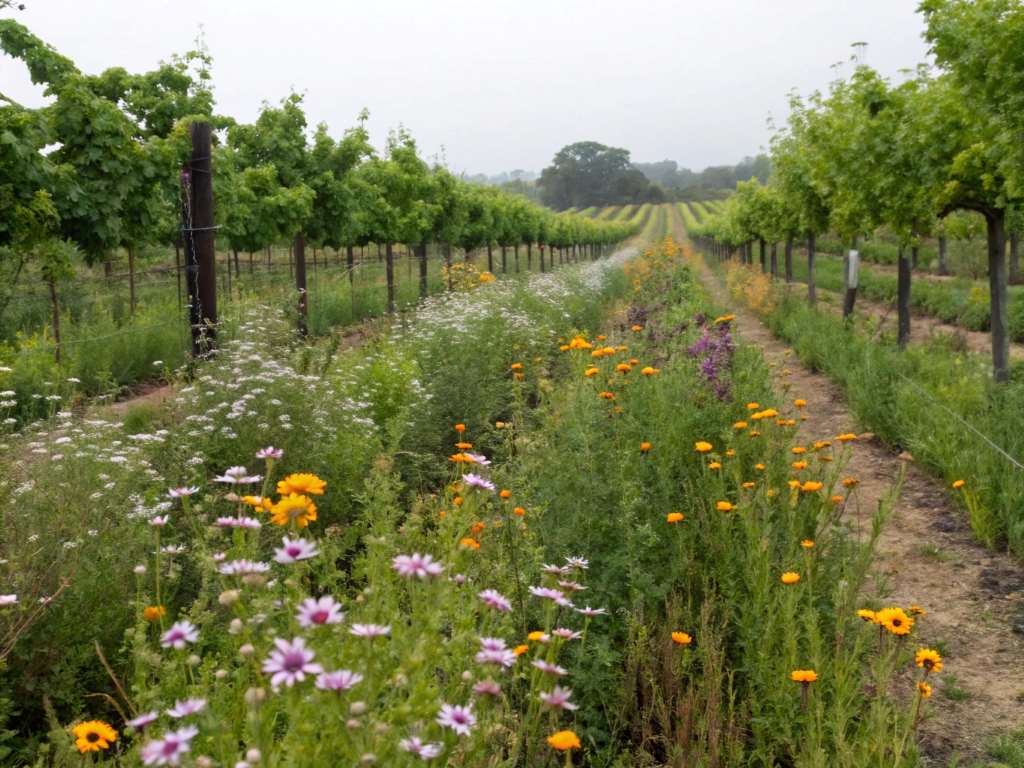
Walking through a vineyard, I once noticed butterflies dancing among the vines, a sight that felt almost magical. This wasn’t just a pretty scene; it was biodiversity in vineyards at work, creating a thriving ecosystem. Biodiversity in vineyards refers to the variety of plants, animals, and microorganisms coexisting in these agricultural spaces. By fostering this diversity, vineyards not only enhance their natural balance but also produce better wines. According to a 2023 study by the University of California, diverse vineyards can increase crop resilience by 20%. This blog post explores the benefits of biodiversity in vineyards and practical steps to implement it, blending science with stories from the vines.
Why Biodiversity Matters in Vineyards
Biodiversity in vineyards is more than a buzzword; it’s a lifeline for sustainable agriculture. Diverse ecosystems support pollinators like bees, which are vital for grape production. Additionally, they regulate pests naturally, reducing the need for chemical pesticides. For instance, a 2021 report by the International Organisation of Vine and Wine (OIV) found that vineyards with diverse plant cover reduced pest damage by 15%. This natural pest control saves costs and protects the environment.
Moreover, biodiversity improves soil health. Cover crops like clover enrich the soil with nutrients, enhancing grape quality. My visit to a Tuscan vineyard showed me rows of wildflowers between vines, buzzing with life. The vintner explained how these plants prevented soil erosion and attracted beneficial insects. This vibrant ecosystem not only looked beautiful but also ensured healthier vines and tastier wines.
Benefits of Biodiversity for Vineyards
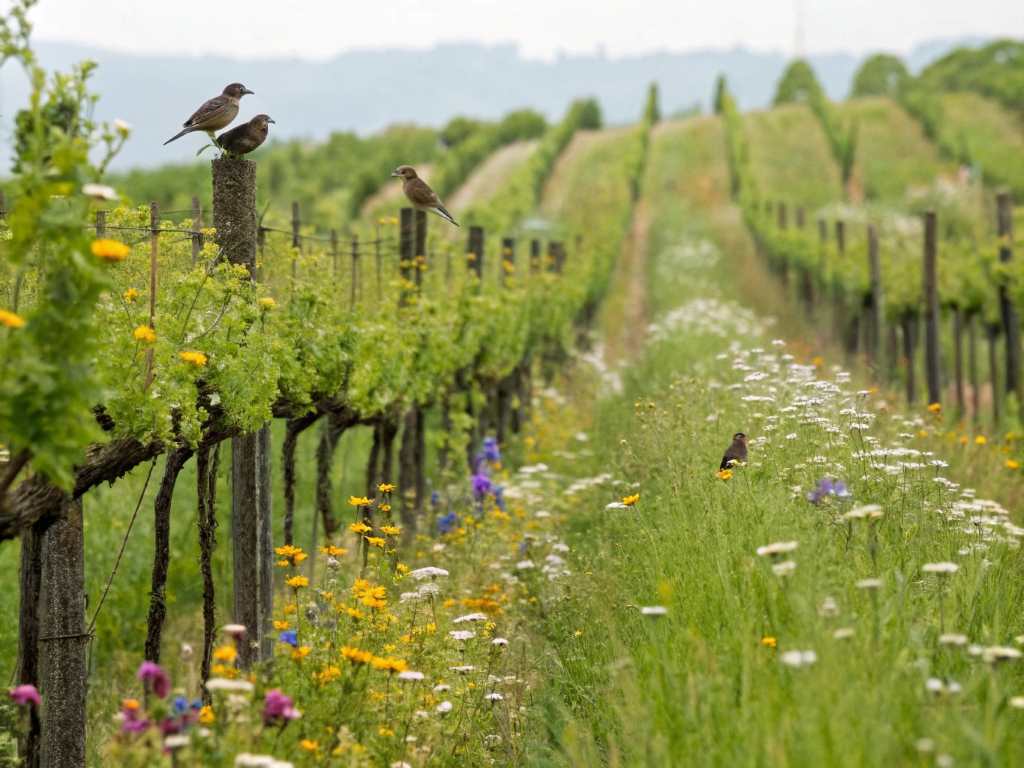
Biodiversity in vineyards offers multiple benefits, from better wine quality to environmental sustainability. Diverse ecosystems create resilient vineyards that adapt to climate changes. For example, varied plant species maintain soil moisture, crucial during droughts. A 2022 study by the University of Bordeaux showed that biodiverse vineyards had 25% higher yields during dry seasons.
Additionally, biodiversity enhances wine flavor. Diverse soil microbes influence grape characteristics, adding unique notes to the wine. During a wine-tasting event, I sampled a Pinot Noir from a biodiverse vineyard; its complex, earthy flavors stood out. Furthermore, these practices attract eco-conscious consumers, boosting winery reputations. By fostering biodiversity, vineyards contribute to global conservation efforts while producing exceptional wines.
Key Benefits of Biodiversity in Vineyards
- Improved Soil Health: Cover crops prevent erosion and enrich nutrients.
- Natural Pest Control: Beneficial insects reduce pesticide use.
- Enhanced Wine Quality: Diverse microbes create unique flavors.
- Climate Resilience: Varied ecosystems adapt better to weather changes.
Practical Steps to Promote Biodiversity
Implementing biodiversity in vineyards requires practical, actionable steps. First, plant cover crops like mustard or legumes between vine rows. These plants attract pollinators and improve soil structure. A vintner I met in Napa Valley shared how clover cover crops reduced their irrigation needs by 10%. Additionally, create habitats for wildlife, such as birdhouses or insect hotels, to encourage natural pest predators.
Another effective practice is reducing chemical inputs. Organic fertilizers and integrated pest management minimize environmental harm. According to the OIV, organic vineyards see a 30% increase in beneficial insect populations. Finally, preserve native plants around vineyards to maintain local ecosystems. These steps, though simple, create a ripple effect, enhancing both vineyard health and wine quality.
Steps to Enhance Biodiversity
- Plant Cover Crops: Use clover or mustard to enrich soil.
- Create Wildlife Habitats: Install birdhouses or insect hotels.
- Reduce Chemicals: Opt for organic fertilizers and pest management.
- Preserve Native Plants: Maintain local flora for ecosystem balance.
Challenges and Solutions in Adopting Biodiversity
Adopting biodiversity in vineyards isn’t without challenges. Initial costs for cover crops or organic inputs can be high. However, long-term savings from reduced pesticide use often outweigh these expenses. A 2023 study by the University of California noted that biodiverse vineyards cut maintenance costs by 12% over five years. Transitioning also requires knowledge, as farmers must learn new techniques.
To overcome these hurdles, vineyards can seek expert guidance or government grants for sustainable practices. My conversation with a French winemaker revealed how local workshops helped her adopt biodiversity effectively. Additionally, starting small—planting cover crops in one section—eases the transition. With patience and planning, vineyards can overcome challenges and reap the rewards of biodiversity.
The Role of Community and Education
Community involvement and education are vital for promoting biodiversity in vineyards. Local workshops teach farmers sustainable practices, fostering collaboration. For instance, I attended a vineyard tour where experts shared tips on cover cropping, inspiring local growers. Moreover, consumer awareness drives demand for biodiverse wines. Wineries can host tastings to showcase their eco-friendly practices.
Educational programs also empower future generations. Schools near vineyards can include biodiversity in curricula, encouraging young minds to value sustainability. The OIV reports that regions with strong community education see 20% higher adoption of biodiverse practices. By building a supportive network, vineyards can sustain biodiversity efforts and create a lasting impact.
Conclusion
Biodiversity in vineyards weaves a story of harmony between nature and agriculture. From my walks through vibrant vine rows to the science-backed benefits, it’s clear that fostering biodiversity in vineyards creates healthier ecosystems and exceptional wines. By planting cover crops, reducing chemicals, and engaging communities, vineyards can thrive sustainably. These practices not only benefit the environment but also enhance wine quality, proving that nature and nurture go hand in hand. Ready to explore more? Share your thoughts or experiences in the comments below, or spread the word about sustainable vineyards!
FAQs
What is biodiversity in vineyards?
Biodiversity in vineyards refers to the variety of plants, animals, and microorganisms coexisting to create a balanced ecosystem, improving vine health and wine quality.
How does biodiversity improve wine quality?
Diverse soil microbes and plants enhance grape flavors, adding unique notes to wines, as seen in biodiverse vineyards with richer, more complex tastes.
What are cover crops, and why are they used?
Cover crops, like clover or mustard, are planted between vines to enrich soil, prevent erosion, and attract pollinators, supporting vineyard biodiversity.
Are there challenges in adopting biodiversity practices?
Yes, initial costs and learning new techniques can be challenging, but grants and gradual implementation help vineyards transition to sustainable practices.
How can consumers support biodiverse vineyards?
Consumers can choose wines from eco-friendly vineyards, attend tastings, and advocate for sustainable practices, driving demand for biodiversity in vineyards.