
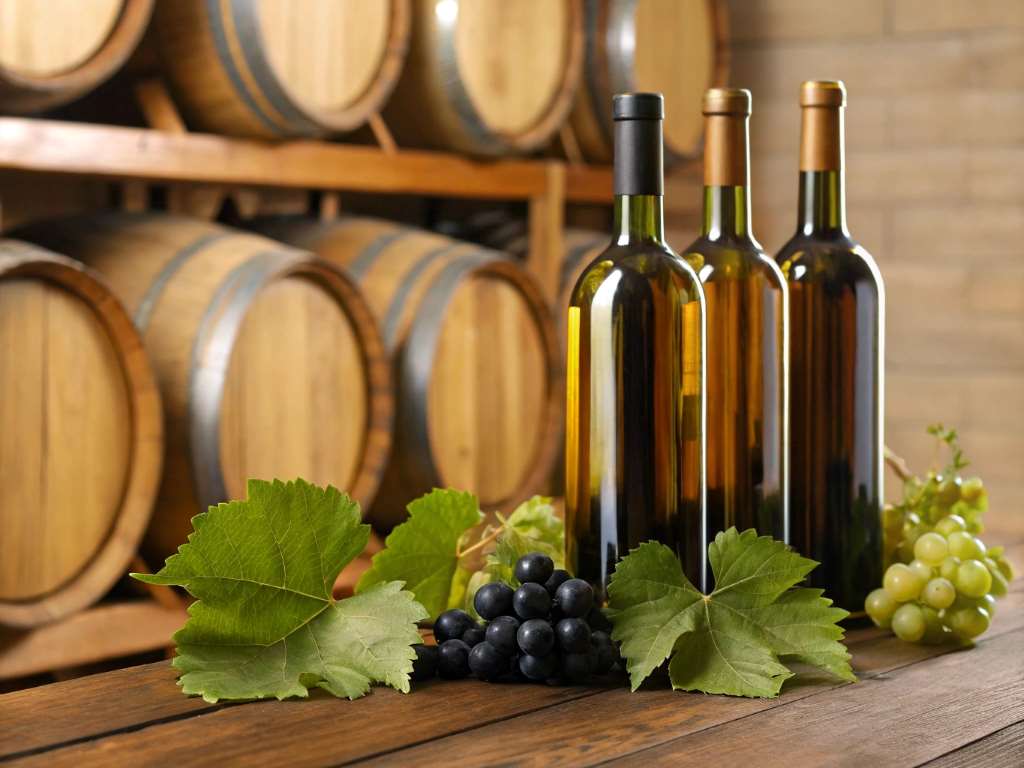
The world of wine is full of stories, but few are as captivating as those of wines from ungrafted vines. These wines, born from vines untouched by grafting, carry a rare authenticity. Their roots dig deep into history, offering flavors that speak of tradition and terroir. Unlike most modern vineyards, ungrafted vines stand resilient, free from the phylloxera pest that reshaped winemaking. My first sip of a wine from ungrafted vines, at a small Chilean winery, felt like tasting the earth itself. This blog dives into the unique characteristics of these wines, exploring their heritage, taste, and allure. Join me to uncover why they’re a treasure for wine lovers.
What Are Ungrafted Vines?
Ungrafted vines are grapevines grown on their original rootstocks, not grafted onto resistant roots. Most vineyards today use grafted vines to protect against phylloxera, a pest that devastated European vineyards in the 19th century. However, ungrafted vines thrive in regions with sandy soils or isolation, like parts of Chile or Australia, where phylloxera never took hold. These vines connect directly to the soil, absorbing its essence without interference.
Their rarity makes them special. According to a 2018 study by the University of California, Davis, ungrafted vines often produce lower yields but richer flavors. This direct connection to the terroir creates wines with unique characteristics, reflecting the land’s minerals and climate. For wine enthusiasts, this authenticity is a draw, offering a taste of history in every glass.
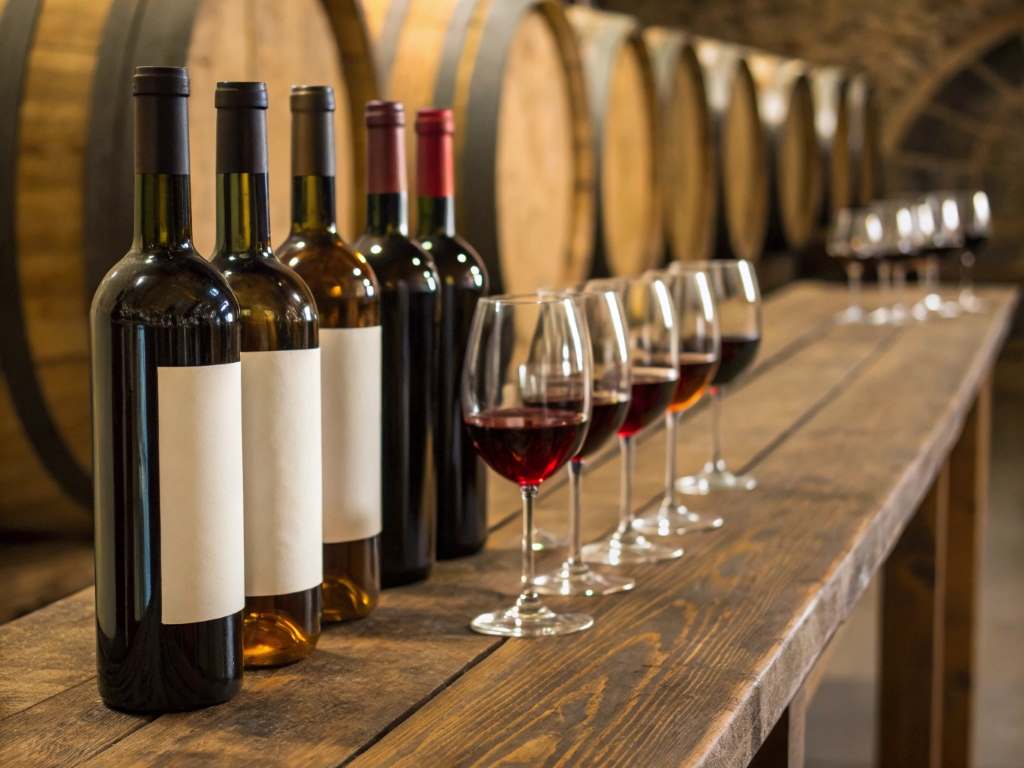
The Flavor Profile of Ungrafted Vine Wines
Wines from ungrafted vines boast distinct flavors that set them apart. Because their roots delve deep into the soil, they often yield concentrated fruit with vibrant minerality. For example, Cabernet Sauvignon from ungrafted vines in Chile’s Maipo Valley can taste bolder, with notes of blackberry, graphite, and spice. This intensity comes from the vine’s unfiltered connection to the earth.
Additionally, these wines often have a unique texture. A 2020 report by Wine & Spirit Magazine noted that ungrafted vine wines tend to have silkier tannins and brighter acidity. My own experience with a Portuguese Vinho Verde from ungrafted vines revealed crisp apple and floral notes, unlike anything from grafted counterparts. These characteristics make each sip a journey through the vineyard’s soul, captivating adventurous palates.
Key Flavor Traits
- Concentrated Fruit: Deep, rich fruit flavors due to direct soil connection.
- Distinct Minerality: Earthy notes reflecting the terroir’s unique profile.
- Silky Texture: Smoother tannins and vibrant acidity for a balanced sip.
Historical Significance of Ungrafted Vines
Ungrafted vines are living relics of winemaking’s past. Before phylloxera struck in the 1860s, nearly all vines were ungrafted. The pest forced winemakers to graft European vines onto American rootstocks, changing the industry forever. Yet, some regions, like parts of South Australia, preserved ungrafted vines, thanks to their isolation. These vineyards are time capsules, offering a glimpse into pre-phylloxera wine.
Moreover, ungrafted vines carry cultural weight. In places like Santorini, Greece, ancient ungrafted Assyrtiko vines produce wines tied to centuries-old traditions. Visiting a Santorini vineyard, I marveled at gnarled vines, some over 100 years old, still yielding grapes. According to a 2021 study by the International Organisation of Vine and Wine, these vines contribute to wines with unmatched authenticity, connecting drinkers to winemaking’s roots.
Why Ungrafted Vines Matter Today
Today, ungrafted vines are a symbol of resilience and quality. They thrive in specific conditions, like sandy or volcanic soils, where phylloxera struggles to survive. This allows winemakers to craft wines with unique characteristics that stand out in a crowded market. For instance, Chile’s ungrafted Carmenère offers bold, spicy flavors that grafted versions often lack.
Furthermore, these wines appeal to eco-conscious consumers. Ungrafted vines require less intervention, aligning with sustainable practices. A 2022 report by the Wine Institute highlighted that ungrafted vineyards often use fewer pesticides, benefiting the environment. Sipping a glass of ungrafted Malbec from Argentina, I felt a connection to the land’s purity. These wines aren’t just delicious; they represent a commitment to preserving tradition and nature.
Benefits of Ungrafted Vines
- Sustainability: Fewer chemicals needed due to natural pest resistance.
- Authenticity: Pure expression of terroir and grape variety.
- Rarity: Limited production increases their exclusivity and appeal.
Challenges of Producing Ungrafted Vine Wines
Producing wines from ungrafted vines isn’t easy. These vines are vulnerable to phylloxera in non-resistant soils, requiring careful site selection. Winemakers must also contend with lower yields, which can raise costs. For example, ungrafted vines in Bordeaux are rare due to the region’s phylloxera-prone soils, making such wines a luxury.
Additionally, maintaining old vines demands expertise. Pruning and care must be precise to ensure longevity. During a vineyard tour in Spain, I learned how winemakers monitor ungrafted Tempranillo vines closely to prevent disease. Despite these challenges, the resulting wines’ unique characteristics justify the effort. Their scarcity and quality make them a prized choice for collectors and enthusiasts alike.
Pairing and Enjoying Ungrafted Vine Wines
Pairing wines from ungrafted vines is a delight due to their bold flavors. Their rich fruit and minerality complement hearty dishes like grilled lamb or mushroom risotto. For lighter options, ungrafted Sauvignon Blanc pairs beautifully with seafood or goat cheese. At a dinner party, I paired an ungrafted Chilean Syrah with roasted duck, and the combination was unforgettable.
To fully enjoy these wines, serve them at the right temperature—reds at 60–65°F and whites at 45–50°F. Decanting reds can enhance their aromas, as I discovered with a robust ungrafted Zinfandel. Explore regions like Colchagua Valley or Barossa for standout bottles.
Conclusion
Wines from ungrafted vines are more than just drinks; they’re stories in a bottle. Their unique characteristics—bold flavors, silky textures, and deep terroir connection—make them a treasure for wine lovers. From my first taste in Chile to exploring ancient vines in Santorini, these wines have left a lasting impression. They embody tradition, sustainability, and authenticity, offering a sip of history with every glass. Despite production challenges, their allure endures, captivating those who seek something extraordinary. Next time you’re choosing a wine, consider one from ungrafted vines. Share your thoughts or favorite bottles in the comments below, or spread the word about these unique wines!
FAQs
What makes wines from ungrafted vines unique?
They offer bold, authentic flavors due to direct soil connection, reflecting the terroir’s essence.
Where are ungrafted vines commonly found?
Regions like Chile, South Australia, and Santorini, where phylloxera-resistant soils allow ungrafted vines to thrive.
Are ungrafted vine wines more expensive?
Yes, their lower yields and rarity often make them pricier, but their quality justifies the cost.
How do I identify wines from ungrafted vines?
Check labels for terms like “own-rooted” or research vineyards on Wine Enthusiast.
Can ungrafted vines survive phylloxera?
They can in sandy or isolated soils, but they’re vulnerable in phylloxera-prone regions without careful management.