
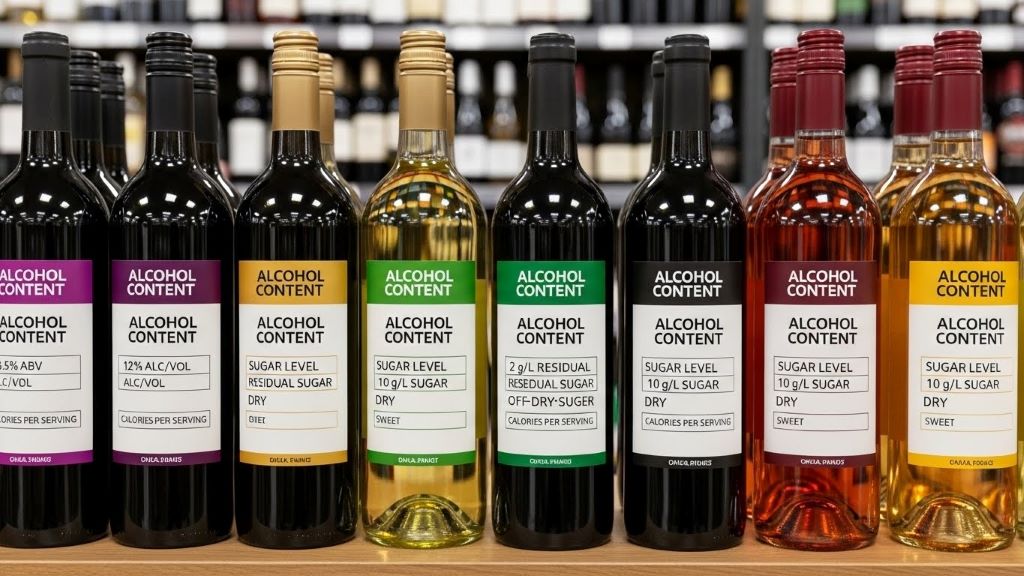
Wine lovers often face a common dilemma when choosing their next bottle. Should they focus on alcohol content or sweetness levels? Many people assume that low sugar wines automatically mean less alcohol, but the relationship between these two elements is more complex than it appears.
Understanding how alcohol and sweetness interact in wine helps you make better choices. Whether you’re counting calories, managing blood sugar, or simply prefer drier wines, knowing this balance transforms your wine selection experience.
Understanding Wine Sugar Content
Sugar in wine comes from grapes naturally. During fermentation, yeast converts grape sugars into alcohol. However, not all sugar gets converted. The remaining sugar determines whether a wine tastes dry or sweet.
Residual sugar refers to the natural grape sugars left after fermentation completes. Dry wines contain less than 10 grams of residual sugar per liter. Off-dry wines have between 10 and 35 grams. Sweet wines can contain over 120 grams per liter.
Many wine drinkers mistakenly believe that all wines with low sugar also have low alcohol. This assumption leads to confusion at the wine shop. The truth is that these two characteristics operate independently in many cases.
How Alcohol Forms in Wine
Alcohol content in wine depends on how much sugar the yeast consumes during fermentation. When winemakers allow fermentation to continue longer, more sugar converts to alcohol. Therefore, wines with less residual sugar often have higher alcohol content.
The process works like a mathematical equation. Grapes start with a certain sugar level. As fermentation progresses, sugar decreases while alcohol increases. A wine that ferments completely will be dry but potentially high in alcohol.
Climate plays a significant role in this equation. Grapes grown in warmer regions develop higher sugar levels. Consequently, wines from these areas tend to have more alcohol even when fermented dry. Cooler climate wines typically contain less alcohol and can still taste dry.
The Sweetness and Alcohol Relationship
Here’s where things get interesting. A wine can be low in sugar yet high in alcohol. Conversely, some sweet wines contain relatively modest alcohol levels. The key lies in when winemakers stop fermentation.
For dry, low sugar wines, fermentation continues until nearly all sugar converts to alcohol. These wines often reach 13 to 15 percent alcohol by volume. Popular examples include many Cabernet Sauvignons and Chardonnays.
Sweet wines use different techniques. Winemakers might stop fermentation early, preserving sugar while keeping alcohol lower. Additionally, some add unfermented grape juice after fermentation. These methods create wines with noticeable sweetness but moderate alcohol around 8 to 11 percent.
According to research from Wine Folly, understanding these production methods helps consumers navigate wine labels more effectively.
Best Low Sugar Wine Options
Several wine varieties naturally produce less residual sugar. Knowing these options makes shopping easier and more enjoyable.
Sauvignon Blanc typically contains less than 5 grams of sugar per liter. This crisp white wine offers bright acidity and herbaceous notes. Most Sauvignon Blancs have alcohol content between 12 and 14 percent.
Pinot Grigio provides another excellent low sugar choice. Italian versions tend to be lighter in body and alcohol. Expect around 12 percent alcohol and minimal residual sugar.
Cabernet Sauvignon ranks among the driest red wines available. Full-bodied and tannic, this wine ferments almost completely dry. However, alcohol levels often reach 14 to 15 percent due to ripe grapes.
Champagne and sparkling wines surprise many people. Traditional methods produce very dry wines despite their celebratory reputation. Brut Champagne contains less than 12 grams of sugar per liter.
Reading Wine Labels for Sugar and Alcohol
Wine labels provide crucial information, but you need to know what to look for. Alcohol content appears prominently on most bottles. However, sugar content rarely gets listed directly.
Terms like “dry,” “off-dry,” and “sweet” indicate sugar levels. Dry wines have minimal residual sugar. Off-dry wines taste slightly sweet. Sweet wines contain significant sugar.
European wines use specific classifications. German Rieslings label sweetness levels from Trocken (dry) to Auslese (sweet). French wines rarely indicate sweetness directly, so knowing varietals helps.
The Wine Spectator provides detailed guides on understanding wine labels and classifications.
New World wines often include more information on back labels. Some brands now list calories, carbohydrates, or sugar content. This transparency helps health-conscious consumers make informed decisions.
Health Considerations and Misconceptions
Many people choose low sugar wines for health reasons. Diabetics monitor sugar intake carefully. Others count carbohydrates or calories. Understanding the alcohol-sugar balance matters for these goals.
Lower sugar doesn’t always mean fewer calories. Alcohol contains 7 calories per gram, while sugar has only 4 calories per gram. Therefore, a dry wine with 14 percent alcohol might have more calories than a slightly sweet wine with 10 percent alcohol.
Blood sugar impact varies between individuals. Generally, dry wines cause smaller blood sugar spikes. However, alcohol itself affects blood sugar regulation. Moderation remains important regardless of wine type.
Some low sugar wines add sulfites as preservatives. These compounds can trigger headaches in sensitive individuals. Additionally, higher alcohol wines may cause more severe hangovers. Balance matters beyond just sugar content.
Finding Your Perfect Balance
Personal preference should guide your wine selection. Some people genuinely enjoy bone-dry wines with higher alcohol. Others prefer a touch of sweetness with lower alcohol content.
Tasting wines systematically helps you discover your preferences. Start with different varietals at similar price points. Notice how sweetness and alcohol interact on your palate. Take notes about what you enjoy.
Food pairing changes the equation too. Spicy foods pair beautifully with slightly sweet, lower alcohol wines. Rich meats complement dry, full-bodied wines with higher alcohol. Consider your menu when selecting bottles.
Don’t let assumptions limit your exploration. A wine with 10 grams of residual sugar isn’t necessarily sweet-tasting. Acidity balances sweetness, creating perception differences. Similarly, 15 percent alcohol doesn’t guarantee a harsh, burning sensation if the wine has good structure.
Conclusion
The relationship between alcohol content and sweetness in low sugar wines proves more nuanced than many realize. Low sugar doesn’t automatically mean low alcohol. In fact, wines fermented completely dry often contain higher alcohol levels because more sugar converted during fermentation.
Understanding this balance empowers better wine choices. Dry wines like Sauvignon Blanc and Cabernet Sauvignon offer minimal sugar but varying alcohol levels. Reading labels carefully and knowing production methods helps you find wines matching your preferences and dietary needs.
Whether prioritizing health considerations or taste preferences, knowledge transforms your wine experience. Remember that both sugar and alcohol affect calories, blood sugar impact, and overall enjoyment. The perfect wine balances these elements according to your individual needs.
Frequently Asked Questions
What is considered a low sugar wine?
A low sugar wine typically contains less than 10 grams of residual sugar per liter, classified as dry. Most table wines, including Cabernet Sauvignon, Pinot Noir, Sauvignon Blanc, and Chardonnay, fall into this category when fermented completely.
Do low sugar wines have less alcohol?
Not necessarily. Low sugar wines often have higher alcohol content because fermentation converted more sugar into alcohol. A dry wine might contain 14 to 15 percent alcohol, while some sweeter wines have only 8 to 10 percent alcohol.
Which wine has the lowest sugar and alcohol?
German Riesling Kabinett Trocken typically offers both low sugar and moderate alcohol, usually around 9 to 11 percent. Some Italian Proseccos also provide this balance with minimal residual sugar and alcohol around 11 percent.
How many grams of sugar are in a glass of dry wine?
A standard 5-ounce glass of dry wine contains approximately 1 to 1.5 grams of residual sugar. This amount is minimal compared to sweet wines, which can contain 8 grams or more per glass.
Does alcohol content affect wine sweetness perception?
Alcohol itself tastes slightly sweet and adds body to wine. Higher alcohol wines may seem richer even when completely dry. However, acidity, tannins, and actual residual sugar have more direct impacts on perceived sweetness.
Related Topics:
The Art of Perfect Wine Fridge Storage Temperature: A Journey to Preserve Flavor
Crafting Delicious, High-Quality Wine with Wine Making Kits: A Beginner’s Journey