
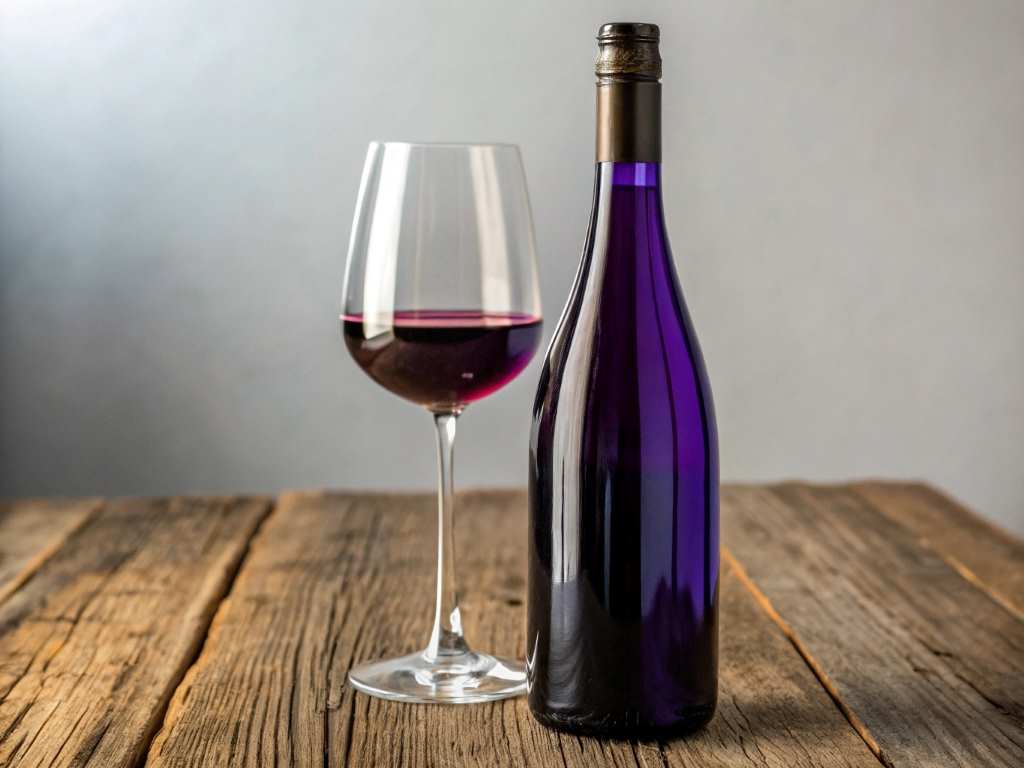
Picture this: I’m sitting at a rustic vineyard in Burgenland, Austria, swirling a glass of Blaufränkisch wine. Its deep ruby hue catches the light, and the aroma of blackberries and spice fills the air. Blaufränkisch, Austria’s signature red grape, is a hidden gem that’s finally getting the attention it deserves. Known for its bold flavors and versatility, this wine offers a unique experience for both casual sippers and connoisseurs. In this post, we’ll explore the characteristics of Blaufränkisch wine, from its vibrant taste to its food-pairing magic. Join me on this flavorful journey as we uncover what makes Blaufränkisch so special.
What Is Blaufränkisch Wine?
Blaufränkisch wine, often called Lemberger or Kékfrankos in different regions, is a red grape variety primarily grown in Austria, Hungary, and parts of Germany. Its name, meaning “blue Frankish,” hints at its historical roots, dating back to the Middle Ages when it was prized for quality. According to a 2021 study by WineMaker Magazine, Blaufränkisch vineyards in Austria have expanded to over 3,000 hectares, showcasing its rising popularity. This grape thrives in cool climates, producing wines with a balance of fruit, acidity, and tannins.
The grape’s versatility allows winemakers to craft styles ranging from light and fruity to rich and complex. Its deep color and medium body make it a favorite for those seeking a red that’s neither too heavy nor too light. Whether aged in oak or enjoyed young, Blaufränkisch wine captivates with its unique profile.
Flavor Profile of Blaufränkisch Wine
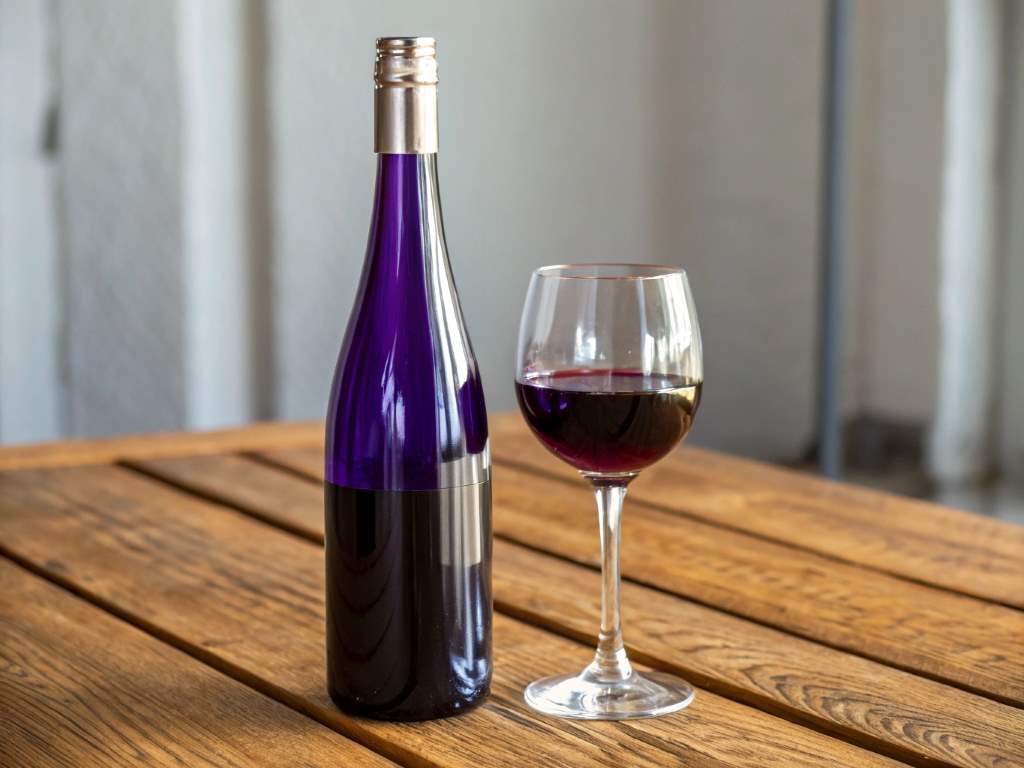
Blaufränkisch wine bursts with vibrant flavors that dance on the palate. Expect bold notes of blackberry, cherry, and plum, often paired with a peppery spice. Some bottles reveal earthy undertones, like forest floor or graphite, adding depth. A 2023 study from the Austrian Wine Marketing Board notes that Blaufränkisch typically has moderate alcohol levels (12–14%), making it highly drinkable. Its bright acidity and firm tannins create a balanced structure that feels lively yet refined.
My first taste of Blaufränkisch was at a wine fair in Vienna. The berry-forward sip with a hint of black pepper was unforgettable, like a spice market in a glass. Whether you prefer a fruit-driven style or one with oak-driven complexity, this wine delivers a memorable experience.
Food Pairing with Blaufränkisch Wine
The wine shines at the dinner table due to its versatility. Its high acidity and medium tannins pair well with a range of dishes, from hearty meats to lighter fare. Try it with grilled pork, beef stews, or even Korean BBQ for a bold match. According to WineMaker Magazine, Blaufränkisch’s spice complements aged cheeses like Gouda or creamy risottos, enhancing their flavors. Vegetarians can pair it with mushroom dishes or roasted root vegetables for a harmonious balance.
I once paired a Blaufränkisch with a mushroom risotto at a cozy Austrian restaurant. The wine’s earthy notes elevated the dish, creating a perfect harmony. For a casual evening, sip it with charcuterie or spicy sausages. Its food-friendly nature makes Blaufränkisch wine a must-have for any meal.
Winemaking and Regional Influence
Blaufränkisch wine reflects its terroir, with Austria’s Burgenland region leading production. The region’s limestone and clay soils contribute to the wine’s minerality and structure. Winemakers often use oak aging to add depth, though some prefer stainless steel for a fresher style. A 2024 report by the Austrian Wine Marketing Board highlights that Burgenland produces 60% of Austria’s Blaufränkisch, with top producers like Markus Altenburger crafting elegant examples.
The grape’s adaptability shines in cooler climates, like Germany’s Pfalz or Hungary’s Sopron. Each region adds unique traits, from floral notes in Leithaberg to richer fruit in Hungary. Visiting a Burgenland winery, I saw how careful vineyard management enhances Blaufränkisch wine’s quality, making every bottle a story of its origin.
Why This Wine Stands Out
What sets Blaufränkisch wine apart is its balance of approachability and complexity. Unlike heavier reds like Cabernet Sauvignon, it offers a lighter body without sacrificing flavor. Its moderate alcohol and vibrant acidity make it ideal for casual sipping or serious tasting. The grape’s growing popularity is evident, with U.S. imports of Austrian Blaufränkisch rising by 15% from 2020 to 2023, per the Wine Institute. This surge reflects its appeal to modern wine lovers seeking unique varietals.
For me, Blaufränkisch feels like a conversation starter. At a recent tasting, friends raved about its versatility, from pizza nights to fine dining. Its ability to bridge casual and sophisticated moments makes wine a standout in any collection.
How to Choose a Blaufränkisch Wine
Selecting a great wine starts with knowing your preferences. For fruit-forward styles, look for bottles from warmer vintages or stainless steel fermentation. If you prefer complexity, seek oak-aged options from regions like Leithaberg. Check labels for producers like Nittnaus or Heinrich, known for quality. Prices typically range from $15 to $40, making it accessible for most budgets.
When I bought my first Blaufränkisch, I chose a bottle from Burgenland’s Moric winery. Its vibrant fruit and subtle spice were perfect for a dinner party. Always check vintage notes, as weather impacts flavor.
Conclusion
Blaufränkisch wine is more than a drink; it’s a journey through Austria’s rich winemaking heritage. Its bold flavors, from juicy berries to spicy pepper, make every sip exciting. Whether paired with a hearty meal or enjoyed solo, this wine’s versatility shines. My evenings with Blaufränkisch have sparked joy and curiosity, and I hope this post inspires you to try it. Share your thoughts or favorite pairings in the comments below, or spread the love by sharing this article with fellow wine enthusiasts. Let’s raise a glass to this wine and its vibrant charm!
FAQs
What does Blaufränkisch wine taste like?
It offers bold flavors of blackberry, cherry, and plum with peppery spice. It has bright acidity and earthy undertones.
Where is Blaufränkisch wine produced?
It’s primarily grown in Austria’s Burgenland region, with notable production in Hungary, Germany, and parts of the U.S. like New York.
How should I pair Blaufränkisch wine with food?
Pair it with grilled meats, aged cheeses, or mushroom dishes. Its acidity and spice complement hearty and savory flavors.
Is Blaufränkisch wine expensive?
Most bottles range from $15 to $40, making it affordable for casual sipping or special occasions.
Why is Blaufränkisch wine gaining popularity?
Its balanced flavors, versatility, and moderate alcohol appeal to modern wine lovers seeking unique, food-friendly reds.