Discover the captivating journey of winemaking, from vineyard to bottle. This process transforms humble grapes into the cherished drink enjoyed worldwide. Whether you’re a wine enthusiast or curious beginner, understanding how wine is made unveils the artistry and science behind every sip. Keywords like grape, vineyard, fermentation, aging, and bottling highlight key stages. Join us to explore this fascinating craft, blending tradition with innovation.
Selecting the Perfect Grapes for Winemaking Excellence
Grape selection is the foundation of quality wine. Vineyards cultivate specific grape varieties, like Cabernet Sauvignon or Chardonnay, suited to their climate and soil. According to a 2023 study by the University of California, Davis, grape quality impacts 80% of a wine’s final flavor profile. Farmers monitor ripeness, sugar levels, and acidity to ensure optimal harvest timing.
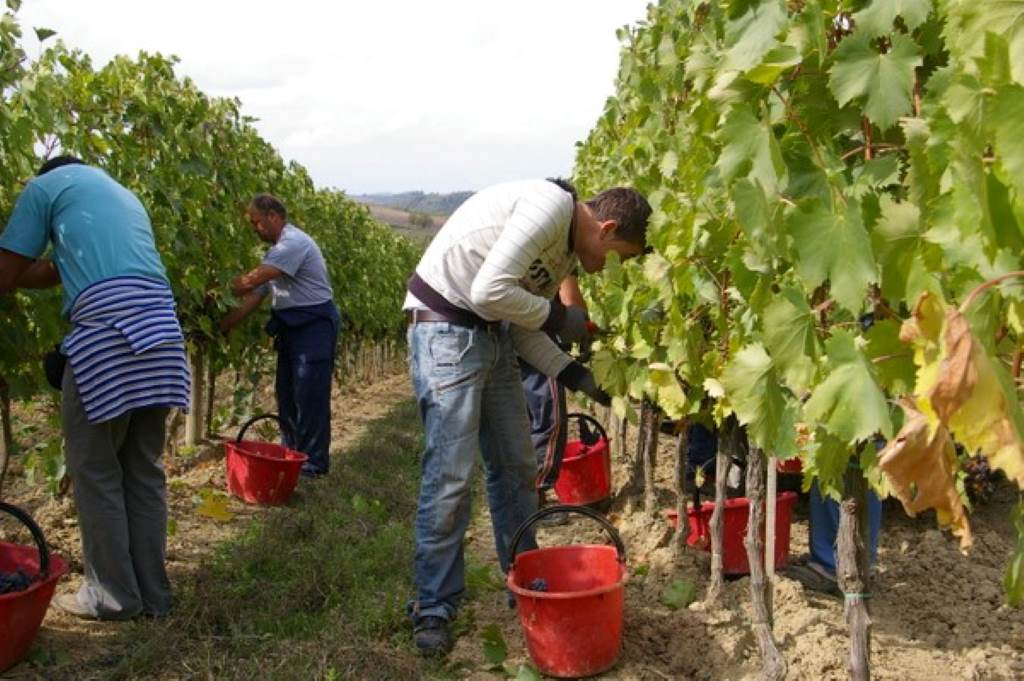
Timing is critical. Grapes are hand-picked or mechanically harvested when sugars and acids balance perfectly. My first vineyard visit in Tuscany showed me workers meticulously checking grape clusters under the morning sun. This careful selection ensures only the best fruit proceeds to crushing, setting the stage for exceptional wine.
Crushing Grapes: Extracting Juice for Fermentation
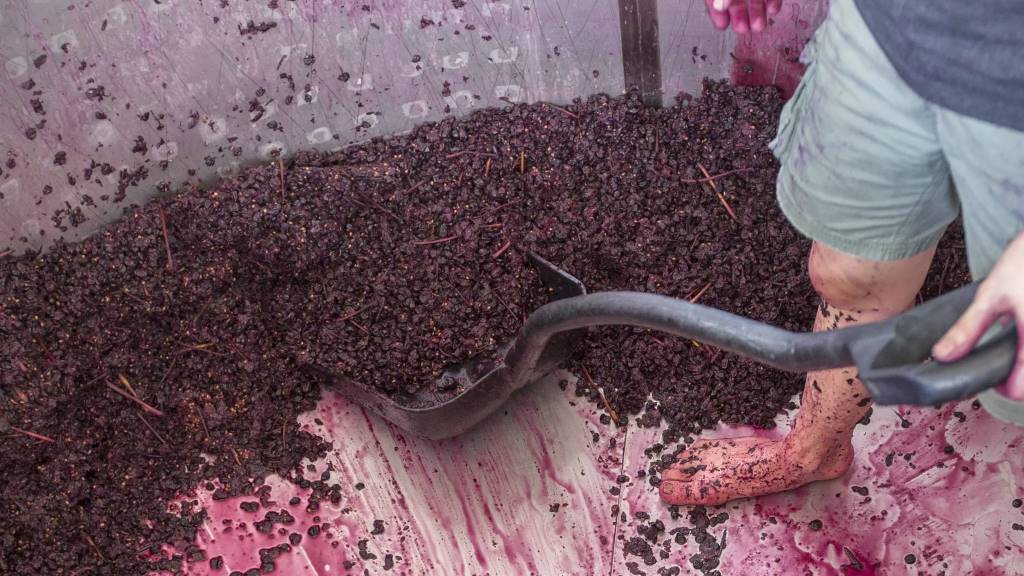
Crushing breaks grape skins to release juice, known as must. Traditionally, workers stomped grapes, but modern wineries use mechanical presses for efficiency. Red wine grapes are crushed with skins to extract color and tannins, while white wine grapes are pressed quickly to separate juice from solids.
The process requires precision. Over-crushing can release bitter compounds, while under-crushing reduces juice yield. A 2021 report from the International Organisation of Vine and Wine (OIV) notes that 70% of global wineries use automated presses for consistency. Visiting a Napa Valley winery, I saw how presses gently extract juice, preserving delicate flavors for fermentation.
Fermentation: Turning Grape Juice into Wine
Fermentation transforms must into wine as yeast converts sugars into alcohol and carbon dioxide. This stage, lasting one to two weeks, defines the wine’s alcohol content and flavor. Winemakers choose specific yeast strains to enhance desired characteristics, like fruity notes in Sauvignon Blanc.
Temperature control is vital. Red wines ferment at warmer temperatures (70-85°F) to extract tannins, while white wines stay cooler (45-60°F) for freshness. I recall a winemaker in Bordeaux explaining how they monitor fermentation daily to avoid off-flavors. The result is a young wine ready for the next step.
Aging Wine: Enhancing Flavors Through Careful Maturation
Aging refines wine’s taste and texture. Young wine is stored in oak barrels, stainless steel tanks, or bottles for months to years. Oak aging adds vanilla and spice notes, while stainless steel preserves fruitiness. A 2022 OIV study found 60% of premium wines age in oak for 12-24 months.
Winemakers taste regularly to track development. During a cellar tour in Rioja, I sampled a barrel-aged Tempranillo, its rich flavors evolving with time. Aging also softens tannins in red wines, creating a smoother finish. This stage is where patience crafts complexity.
Bottling: Final Steps to Preserve Wine Quality
Bottling seals the wine’s journey. After aging, wine is filtered to remove sediments and stabilized to prevent spoilage. Winemakers may blend different batches for consistency or unique profiles. Bottles are filled, corked, or capped, and labeled with care.
Proper bottling ensures longevity. I learned at a Sonoma winery how sterile conditions prevent contamination. Some wines, like fine Bordeaux, continue aging in the bottle, developing nuanced flavors. This final step delivers the wine from vineyard to your glass, ready to enjoy.
Tips for Appreciating the Winemaking Process
- Visit a vineyard: Experience grape harvesting firsthand.
- Taste young wines: Compare them to aged versions for insight.
- Learn grape varieties: Understand how they shape wine styles.
- Explore winemaking regions: Each offers unique techniques.
- Store wine properly: Cool, dark places preserve quality.
Common Mistakes to Avoid When Learning About Wine
- Ignoring grape quality: Poor grapes yield inferior wine.
- Rushing fermentation: Patience ensures balanced flavors.
- Skipping aging: Young wines lack complexity.
- Improper storage: Heat or light can spoil bottled wine.
- Overlooking blends: Blending enhances consistency.
Conclusion: Savor the Art and Science of Winemaking
The journey from grape to glass is a blend of nature, skill, and patience. Each stage—selecting grapes, crushing, fermentation, aging, and bottling—shapes the wine’s character. This process, rooted in tradition yet enhanced by science, creates the bottles we cherish. Next time you sip wine, reflect on its vineyard origins and the craft behind it. Share your thoughts in the comments or spread this article to fellow wine lovers!
FAQs
How long does winemaking take from grape to glass?
The process varies: 1-2 months for basic wines, 1-5 years for premium wines with extended aging.
Why is grape selection important in winemaking?
High-quality grapes ensure better flavor, balancing sugar and acidity for optimal wine quality.
What role does fermentation play in wine production?
Fermentation converts grape sugars into alcohol, shaping the wine’s flavor and alcohol content.
How does aging affect wine’s taste?
Aging in oak or bottles enhances complexity, adding flavors like vanilla and softening tannins.
What happens during wine bottling?
Wine is filtered, stabilized, filled into bottles, and sealed to preserve quality and flavor.