
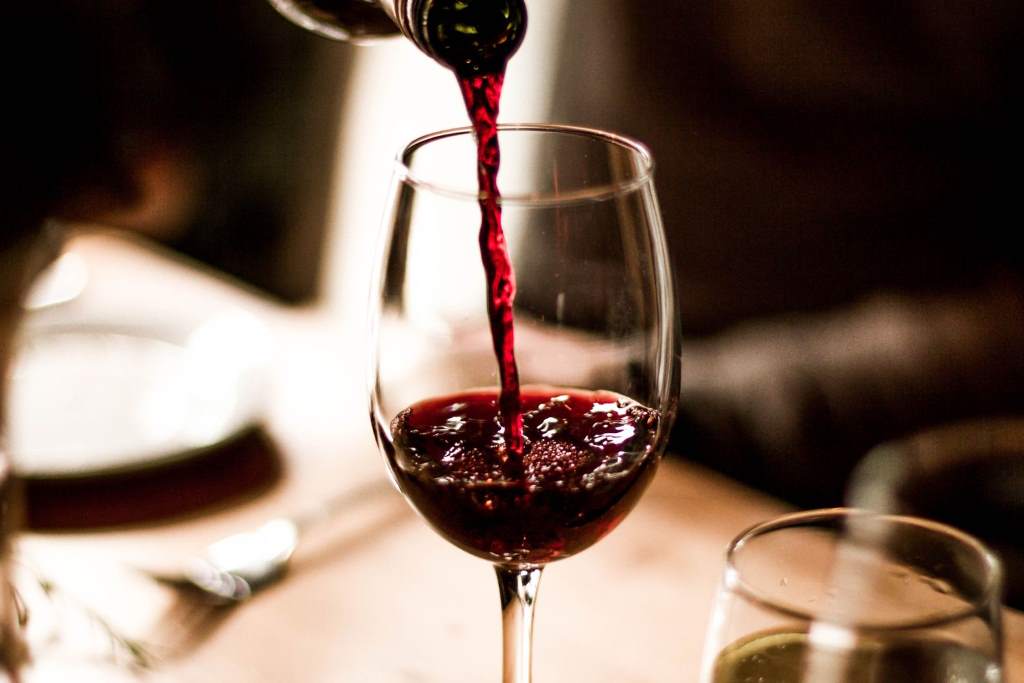
Picture yourself swirling a glass of deep ruby Cabernet Sauvignon, its aromas of blackberry and cassis dancing in the air. This iconic red wine, born from the vineyards of Bordeaux, has captured hearts worldwide, from Napa Valley to South Africa. Known for its bold tannins and rich flavors, Cabernet Sauvignon red wine is a staple for wine lovers. Whether you’re a novice or a seasoned sipper, this grape variety offers a journey through diverse regions and tasting notes. Join me as we uncork the history, flavors, and magic of Cabernet Sauvignon, exploring why it’s a timeless favorite.
Tracing the Roots of Cabernet Sauvignon Red Wine
Cabernet Sauvignon, a child of Cabernet Franc and Sauvignon Blanc, emerged in 17th-century Bordeaux. DNA typing, pioneered by UC Davis, confirmed this cross-breeding, revealing its resilience against phylloxera. This grape variety thrives in gravelly soils, like those in the Médoc region, producing wines with strong aging potential. Its global spread began in the 19th century, reaching Chile, Argentina, and California’s Napa Valley, where microclimates enhance its complexity.
Today, Cabernet Sauvignon dominates as a leading red wine, with plantings in regions like Coonawarra and Maipo Valley. Winemakers value its versatility, blending it with Merlot or Sangiovese for Super Tuscans. The grape’s thick skin yields robust tannins, giving it structure and longevity. For instance, a 2019 Stack House Cabernet Sauvignon from Napa showcases this durability, making it a collector’s gem. Its rich history fascinates, connecting old-world traditions with modern winemaking.
Savoring the Bold Flavors and Tasting Notes
Cabernet Sauvignon red wine is a sensory delight, bursting with black fruit notes like plum and blackcurrants. Its tasting notes often include spice, tobacco, and graphite, with hints of vanilla from oak barrels. In warmer climates like Paso Robles, you’ll find ripe fruit flavors, while cooler regions like Hawkes Bay yield herbaceous pyrazines. This diversity makes every sip an adventure, from full-body Napa Cabernet to medium-to-full-body South African blends.
The wine’s high tannins and balanced acidity create a structured palate, perfect for decanting to soften its edge. For example, a 2022 Olema Cabernet Sauvignon from Sonoma County offers mocha and leather notes, evolving in the glass. However, over-oaking can mask its fruit, a mistake some winemakers avoid by using American oak sparingly. Pair it with grilled steak or dark chocolate to elevate the experience. Exploring its flavors is a journey worth taking.
Exploring Global Regions of Cabernet Sauvignon
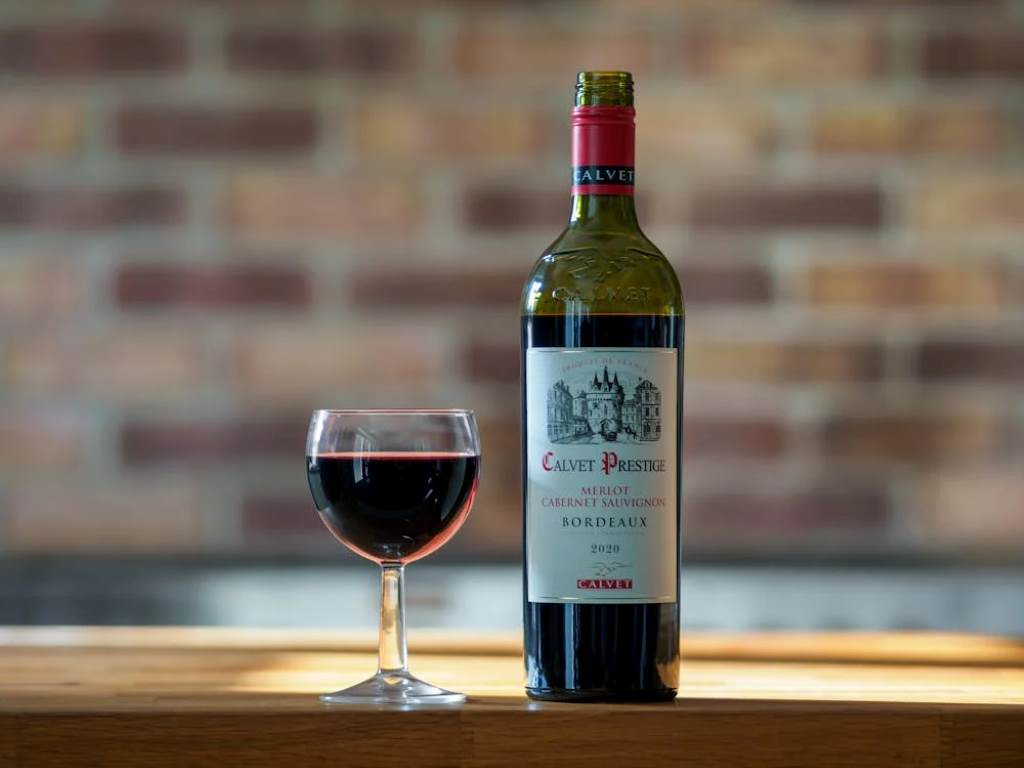
Cabernet Sauvignon thrives in diverse wine regions, each imparting unique characteristics. In Bordeaux, the Médoc and Graves appellations produce structured, age-worthy wines with cassis and graphite. Napa Valley’s Yountville and Mendocino County craft bold, fruit-forward expressions, like the Regenerative Organic Certified McNab Ranch. South Australia’s Coonawarra, with its terra rossa soils, yields vibrant, spicy reds. Meanwhile, Chile’s Maipo Valley and New Zealand’s North Island Hawkes Bay add herbaceous and dark spice notes.
Emerging regions like China’s Ningxia, led by winemakers like Emma Gao at Silver Heights Winery, are gaining recognition. South Africa’s Stellenbosch blends Bordeaux varietals for Meritage-style wines, while Waiheke Island Auckland offers elegant, balanced Cabs. These terroirs showcase Cabernet’s adaptability, with sustainable practices enhancing global appreciation. Visiting these regions or tasting their wines reveals the grape’s remarkable versatility.
Mastering the Art of Winemaking and Blending
Winemaking for Cabernet Sauvignon is both science and art, honed at places like UC Davis Department of Viticulture and Enology. The process begins with careful harvesting techniques to preserve grape quality. Fermentation in oak barrels or stainless steel shapes the wine’s profile, with American oak adding vanilla and French oak imparting spice. Blending, often with Merlot or Cabernet Franc, softens tannins and enhances complexity, as seen in Bordeaux blends or Super Tuscans like Sassicaia.
Winemakers like those in Paso Robles experiment with single vineyard lots to highlight terroir. However, challenges like high residual sugar or over-extraction can unbalance the wine. Sustainable practices, like those at McNab Ranch, ensure quality and environmental care. The aging process, often 10–20 years for premium bottles, refines flavors, making decanting essential for young wines. This craft transforms grapes into a masterpiece, delighting palates worldwide.
Pairing Cabernet Sauvignon with Food and Occasions
Cabernet Sauvignon’s bold profile makes it a star for food pairings. Its tannins and acidity complement rich dishes like grilled lamb, beef tenderloin, or mushroom risotto. For a casual evening, try it with aged cheddar or charcuterie. The wine’s dark fruit notes pair beautifully with dark chocolate desserts, creating a decadent finish. During special occasions, like a dinner party, a bottle from Napa or Médoc elevates the mood, especially when served in proper glassware.
For optimal enjoyment, use a wine preserver or vacuum pump to maintain freshness after opening. Avoid pairing with delicate fish, as the wine’s intensity can overpower. Instead, opt for hearty dishes to match its full body. Hosting a wine tasting with a Bordeaux blend or South African Cabernet can spark conversation.
Pros and Cons of Cabernet Sauvignon Red Wine
Here’s a quick look at what makes Cabernet Sauvignon shine and its challenges:
- Pros:
- Rich black fruit notes and complex tasting profiles.
- Excellent aging potential, lasting decades in top bottles.
- Versatile for food pairings, from steak to chocolate.
- Thrives in diverse regions like Napa and Coonawarra.
- Widely available, with options for every budget.
- Cons:
- High tannins can be astringent without decanting.
- Premium bottles can be expensive.
- Over-oaking may mask fruit flavors.
- Not ideal for light or delicate dishes.
- Young wines may need time to mature.
This balance helps you choose the right Cabernet for your taste and occasion.
Tips for Enjoying Cabernet Sauvignon Red Wine
To elevate your Cabernet Sauvignon experience, follow these tips:
- Decant young wines for 30–60 minutes to soften tannins.
- Serve at 60–65°F in wide-bowled glassware for best aroma.
- Pair with bold dishes like steak or aged cheese.
- Store bottles horizontally in a cool, dark place for aging.
- Try wines from different regions to explore diverse flavors.
Additionally, avoid screw cap bottles if seeking age-worthy wines, as corks allow gradual oxidation. Join a wine tasting event to compare Napa Cabernet with South African blends. These steps ensure a delightful sipping experience, whether at home or a winery.
Conclusion: Why Cabernet Sauvignon Red Wine Captivates
Cabernet Sauvignon red wine is a global icon, weaving stories of terroir, craftsmanship, and flavor. From Bordeaux’s gravelly soils to Napa Valley’s bold expressions, its blackcurrant and spice notes enchant. Whether paired with a hearty meal or savored during a wine tasting, this grape variety delivers. Despite challenges like high tannins, its aging potential and versatility make it a favorite. Raise a glass to explore regions like Coonawarra or try a Super Tuscan blend. Share your favorite Cabernet moment in the comments or spread the love for this timeless wine!
What’s your go-to Cabernet Sauvignon? Comment below or share this article with fellow wine enthusiasts!
FAQs
What defines Cabernet Sauvignon red wine?
It’s a bold red wine with black fruit notes, high tannins, and aging potential, grown globally.
Which regions produce the best Cabernet?
Bordeaux, Napa Valley, Coonawarra, and Maipo Valley are top regions for quality and flavor.
How should I store Cabernet Sauvignon?
Keep bottles horizontal in a cool, dark place to preserve quality and aging potential.
What foods pair best with Cabernet?
Grilled meats, aged cheese, and dark chocolate complement its bold tannins and flavors.
Why decant Cabernet Sauvignon red wine?
Decanting softens tannins and enhances aromas, especially for young or robust bottles.