
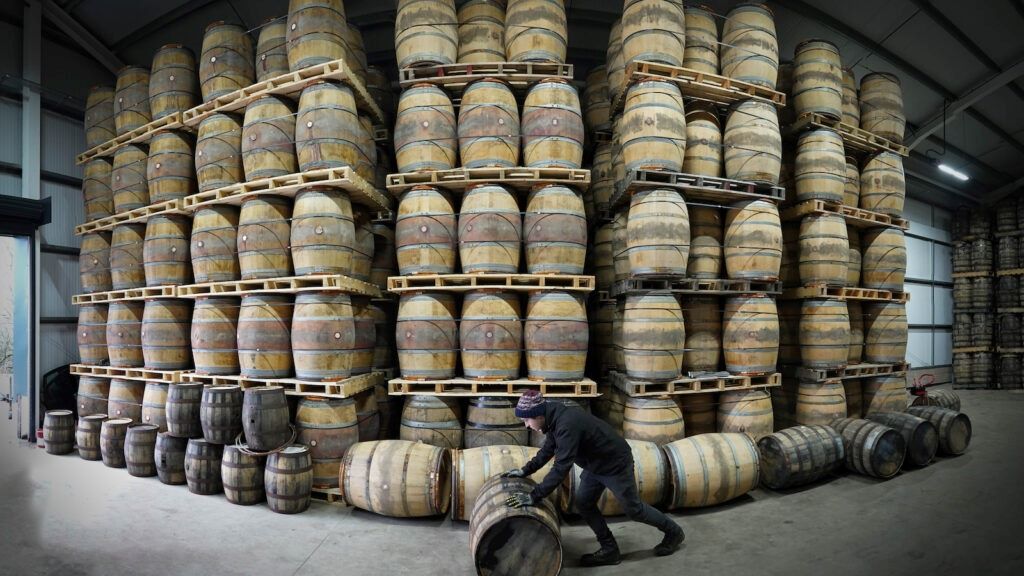
The amber liquid that flows from aged bourbon barrels tells a story of transformation. However, the real magic happens when these once-used vessels begin their second life. Used bourbon barrels represent more than just cost-effective aging solutions – they embody sustainability in action. These weathered oak containers have already imparted their initial flavors to Kentucky’s finest bourbon. Therefore, they’re perfectly positioned to enhance spirits, wines, and even craft beers with complex character profiles that new barrels simply cannot match.
Additionally, choosing pre-owned barrels supports environmental stewardship. Each reused container diverts waste from landfills while reducing demand for new oak harvesting. Furthermore, distillers worldwide have discovered that these seasoned vessels create unique flavor combinations that distinguish their products in competitive markets.
The Environmental Impact Story Behind Bourbon Barrel Sustainability
Understanding the Traditional Bourbon Barrel Lifecycle
Bourbon production follows strict legal requirements that mandate new oak barrels for each batch. This regulation creates thousands of once-used barrels annually that must find new purposes. Bourbon distilleries are increasingly adopting sustainable practices, including renewable energy and water recycling, with over 50% implementing such measures by 2023. However, the single-use barrel requirement remains unchanged.
The traditional approach viewed these containers as single-purpose vessels. Distilleries would sell them quickly after emptying to make warehouse space for new inventory. Therefore, secondary markets developed organically as craft producers recognized their potential value.
Environmental Benefits That Transform Waste Into Resources
Reusing whiskey barrels helps preserve resources and prolongs the industry’s legacy, ensuring that the spirit of bourbon continues to exist in delightful and surprising ways. Each recycled barrel represents approximately 50-75 pounds of premium American white oak that doesn’t require fresh harvesting.
Additionally, the manufacturing process for new barrels involves significant energy consumption. Cooperages must season wood for years, then char or toast surfaces to precise specifications. Therefore, selecting pre-owned alternatives reduces this environmental footprint substantially. Furthermore, transportation impacts decrease when local suppliers provide regional barrel inventories rather than shipping new containers across continents.
Remarkable Flavor Development Through Secondary Barrel Aging
How Previous Bourbon Exposure Creates Complex Taste Profiles
Used bourbon barrels arrive with residual flavors embedded deep within their wood fibers. These include vanilla compounds from lignin breakdown, caramel notes from char interaction, and subtle spice elements that developed during initial aging. However, the concentration levels are perfectly balanced for secondary applications.
The previous bourbon contact creates what professionals call “pre-seasoning.” This process develops tannin structures that new barrels lack. Therefore, spirits aged in these containers experience smoother flavor extraction without harsh wood bite that sometimes accompanies fresh oak exposure.
Scientific Principles Behind Enhanced Flavor Extraction
Temperature fluctuations during storage cause wood expansion and contraction. This natural process drives liquid deeper into barrel staves, where complex chemical reactions occur. Additionally, the char layer acts as a natural filter while contributing smoky undertones that complement many spirit types.
Craft distillers report that used bourbon barrels impart flavors more gradually than new oak. Therefore, aging timelines can extend without over-oaking concerns. Furthermore, the mellowed wood character allows base spirit qualities to shine through while still providing desirable complexity enhancement.
Cost-Effective Solutions for Craft Distillery Operations
Financial Advantages That Support Business Growth
New bourbon barrels typically cost $300-500 each, depending on cooperage source and specifications. However, quality used alternatives range from $150-250, representing significant savings for volume purchasers. Additionally, many suppliers offer bulk pricing that further reduces per-unit costs.
Startup distilleries particularly benefit from these savings. Initial equipment investments already strain budgets considerably. Therefore, choosing pre-owned barrels allows more resources for essential production equipment. Furthermore, established operations can expand aging capacity without proportional cost increases.
Strategic Purchasing Approaches for Maximum Value
Key factors for smart barrel acquisition:
- Source verification from reputable distilleries
- Recent emptying dates (ideally within 3-6 months)
- Proper storage conditions during transit periods
- Detailed flavor profile documentation
- Bulk purchase negotiation opportunities
Timing purchases strategically maximizes value. Spring and fall represent peak availability periods when distilleries rotate inventory. However, building relationships with suppliers ensures consistent access regardless of seasonal fluctuations.
Industry Applications Beyond Traditional Spirit Production
Wine Production Enhancement Through Bourbon Barrel Integration
Winemakers increasingly experiment with bourbon barrel finishing to create distinctive product lines. The residual vanilla and caramel notes complement certain grape varieties exceptionally well. Additionally, the gentle tannin extraction adds structural complexity without overwhelming delicate fruit characteristics.
Red wines particularly benefit from this treatment. Cabernet Sauvignon and Merlot develop enhanced depth when finished in quality bourbon barrels. However, white wine applications require careful monitoring to prevent excessive oak influence. Therefore, shorter contact periods typically produce optimal results for lighter varietals.
Craft Beer Revolution Through Barrel-Aged Innovation
The craft beer industry has embraced used bourbon barrels enthusiastically. Imperial stouts, porters, and barleywines develop remarkable complexity through this aging process. Additionally, sour beer producers utilize these containers for extended fermentation periods that develop unique flavor combinations.
Breweries report that bourbon barrel character complements high-alcohol beer styles perfectly. The wood sugars feed beneficial bacteria in sour production. Therefore, both flavor development and fermentation proceed more effectively than with neutral containers. Furthermore, the marketing appeal of barrel-aged products justifies premium pricing that improves profit margins.

Expert Selection Criteria for Premium Used Bourbon Barrels
Quality Assessment Techniques for Professional Buyers
Visual inspection priorities:
- Stave integrity without visible cracks
- Head security with minimal movement
- Hoop tightness and rust absence
- Char level consistency across surfaces
- Absence of mold or unusual staining
Professional buyers develop systematic evaluation processes. Each barrel receives thorough inspection before purchase. Additionally, establishing relationships with trusted suppliers eliminates much guesswork in quality assessment.
Understanding Provenance Impact on Flavor Potential
Source distillery significantly influences barrel character. Premium producers like Buffalo Trace, Wild Turkey, and Four Roses create containers with distinct personality profiles. Authentic American oak barrels direct from Kentucky, the bourbon capital of the world provide the most desirable characteristics for secondary applications.
However, lesser-known distilleries often produce excellent barrels at lower costs. Therefore, sampling programs help identify hidden gems that deliver exceptional value. Furthermore, building diverse supplier networks ensures consistent availability during peak demand periods.
Proper Storage and Maintenance Practices
Essential Care Protocols for Longevity
Used bourbon barrels require specific storage conditions to maintain quality. Temperature stability prevents wood movement that could cause leaks. Additionally, humidity control prevents excessive drying that creates gaps between staves.
Storage best practices include:
- Indoor storage with temperature control
- Proper ventilation to prevent mold growth
- Regular inspection schedules for early problem detection
- Humidity maintenance between 65-75%
- Protection from direct sunlight exposure
Professional facilities invest in climate-controlled warehouse space. This investment pays dividends through reduced loss rates and extended barrel lifespans. Therefore, proper storage infrastructure becomes essential for serious operations.
Reconditioning Techniques for Extended Service Life
Many used barrels benefit from professional reconditioning before secondary use. This process may include head replacement, hoop adjustment, or re-charring surfaces. Additionally, thorough cleaning removes any residual contamination that could affect new contents.
Some operations perform reconditioning in-house to control costs and timing. However, professional cooperage services ensure proper techniques that maximize barrel longevity. Therefore, evaluating the trade-offs between cost and quality becomes crucial for decision-making.
Market Trends and Future Sustainability Outlook
Growing Demand Creates Supply Opportunities
Craft spirit production continues expanding globally, driving increased demand for aging containers. From an environmental perspective, though, isn’t a bourbon barrel, which can only be used once, seriously wasteful? This perspective drives innovation in barrel reuse applications.
Additionally, wine and beer producers compete for premium used barrels. Therefore, prices have stabilized at levels that support sustainable business models for both buyers and sellers. Furthermore, established supply chains now provide reliable sourcing options worldwide.
Innovation in Sustainable Barrel Programs
Forward-thinking cooperages develop comprehensive barrel lifecycle programs. These initiatives track containers through multiple use phases, maximizing value extraction before final disposal. Additionally, some programs offer reconditioning services that extend useful barrel life significantly.
Technology integration improves tracking and quality assessment capabilities. RFID tags and blockchain documentation provide complete provenance records. Therefore, buyers gain confidence in product authenticity and quality consistency. Furthermore, these systems support premium pricing for verified high-quality containers.
Success Stories from Industry Leaders
Craft Distillery Transformation Through Strategic Barrel Programs
Mountain View Distillery in Colorado transformed their operation by implementing a comprehensive used barrel program. Their master distiller, Sarah Chen, discovered that Kentucky bourbon barrels enhanced their rye whiskey beyond expectations. “The residual bourbon character created complexity we never achieved with new oak,” Chen explains.
Additionally, their cost savings enabled expansion into premium product lines. The distillery now produces five distinct barrel-aged expressions that command premium retail pricing. Therefore, the initial barrel investment generated multiple revenue streams while supporting sustainable practices.
Innovative Applications in Unexpected Industries
Restaurant chains increasingly utilize used bourbon barrels for unique dining experiences. Barrel-aged cocktails and spirits create distinctive menu offerings that differentiate establishments. Additionally, some venues incorporate actual barrels into interior design elements that enhance atmospheric appeal.
Furthermore, artisan food producers age products like hot sauce, maple syrup, and specialty vinegars in these containers. The bourbon influence creates premium products that justify significant price premiums. Therefore, diverse industries continue discovering innovative applications for these versatile aging vessels.
Conclusion: Embracing Sustainable Aging Solutions
Used bourbon barrels represent the perfect intersection of sustainability, quality, and economic value. These remarkable containers transform waste into opportunity while delivering flavor profiles that new oak cannot match. Additionally, their adoption supports environmental stewardship goals that resonate with modern consumers.
The growing marketplace provides reliable sourcing options for producers of all sizes. Therefore, implementing barrel programs becomes accessible regardless of operation scale. Furthermore, the proven track record of successful applications across multiple industries demonstrates their versatility and reliability.
Smart producers recognize that used bourbon barrels offer more than cost savings – they provide competitive advantages through unique product development opportunities. The sustainability story resonates with environmentally conscious consumers while supporting premium pricing strategies.
What innovations have you discovered in your barrel aging programs? Share your experiences and help build the community knowledge base that supports sustainable practices across our industry.
Frequently Asked Questions
How long do used bourbon barrels maintain their flavor influence?
Used bourbon barrels typically provide 2-4 years of effective flavor contribution, depending on the product being aged and desired intensity levels. Spirits generally extract flavors more quickly than wines, while beer applications may achieve optimal results in 6-18 months.
What’s the average cost difference between new and used bourbon barrels?
Quality used bourbon barrels cost approximately 40-50% less than new alternatives. New barrels range from $300-500, while comparable used options typically cost $150-250. Volume purchases often reduce these costs further through bulk pricing arrangements.
Can used bourbon barrels be reconditioned for extended service?
Professional reconditioning can extend barrel life significantly through head replacement, re-charring, and structural repairs. Many barrels serve effectively through 3-4 use cycles with proper maintenance. However, reconditioning costs must be weighed against replacement expenses.
How do you verify the authenticity of used bourbon barrels?
Reputable suppliers provide documentation of source distilleries, emptying dates, and storage conditions. Visual inspection should confirm proper construction, char levels, and absence of damage. Established supplier relationships offer the best protection against counterfeit products.
What products work best with used bourbon barrel aging?
High-proof spirits, full-bodied red wines, and robust beer styles benefit most from bourbon barrel aging. The residual flavors complement bold products without overwhelming subtle characteristics. However, successful applications exist across numerous product categories with proper technique adaptation.
Read More:
Traditional Wine Drinking Vessels Around the World
Mastering Wine Etiquette: A Global Guide to Sipping with Style