

Wine, a timeless elixir, has been savored for centuries, and the vessels used to drink it tell stories of culture and history. Traditional wine drinking vessels, like the Greek kylix or the Spanish porron, are more than tools; they’re symbols of heritage. Each vessel reflects the artistry and values of its people, connecting us to ancient rituals. I once sipped wine from a clay cup in Italy, feeling history in my hands. This blog explores these unique vessels, their origins, and their significance. Join me on this journey through time, uncovering the beauty of traditional wine drinking vessels and their cultural tales.
The Greek Kylix: A Vessel of Celebration
In ancient Greece, the kylix was the star of wine-drinking culture. This wide, shallow cup with two handles allowed Greeks to sip wine while reclining during symposia, social gatherings filled with philosophy and poetry. Crafted from clay or bronze, kylices often featured intricate designs depicting gods or daily life. According to a 2019 study by the Archaeological Institute of America, over 60% of excavated kylices showed wine-related imagery, highlighting their ceremonial role.
The kylix’s shape was practical yet symbolic. Its broad bowl let wine breathe, enhancing flavor, while handles ensured a firm grip. Today, replicas are used in historical reenactments, preserving Greece’s legacy. Sipping from a kylix feels like stepping into a myth, connecting us to ancient festivities. These traditional wine drinking vessels remain a testament to Greece’s love for wine and community.
The Roman Goblet: Elegance in Glass
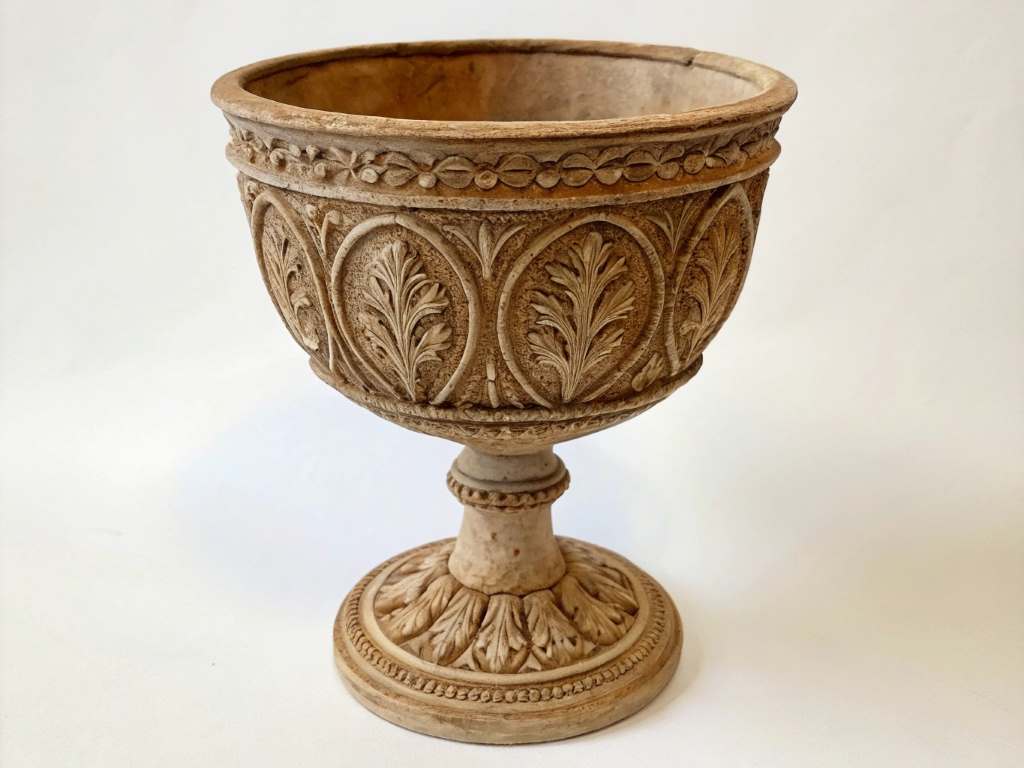
Romans elevated wine drinking with goblets, often made of glass or silver. These vessels, used by the elite, showcased wealth and sophistication. Unlike the communal kylix, goblets were personal, often engraved with names or motifs. A 2020 report by the British Museum notes that Roman glass goblets were exported across Europe, spreading their influence. Their delicate stems and ornate designs made them status symbols.
Drinking from a replica Roman goblet during a museum tour, I marveled at its craftsmanship. The glass caught the light, making the wine glow. Romans valued aesthetics, and their goblets reflected this. These traditional wine drinking vessels weren’t just functional; they were art, blending beauty with utility. Their legacy lives on in modern wine glasses, echoing Rome’s grandeur.
The Spanish Porron: A Communal Pour
Spain’s porron is a unique, pitcher-like vessel with a long spout, designed for sharing wine. Used since the Middle Ages, it allows drinkers to pour wine directly into their mouths, creating a fun, communal experience. The porron’s design prevents spills while adding flair to gatherings. I tried it at a Spanish festival, laughing as wine splashed my chin. It’s a skill worth mastering!
The porron fosters connection, often passed around tables during celebrations. According to a 2021 study by the University of Barcelona, porrons are still used in 40% of rural Spanish festivals, preserving tradition. These traditional wine drinking vessels embody Spain’s vibrant, social spirit. Their playful design encourages camaraderie, making every sip a shared joy.
The German Stein: Hearty and Robust
Germany’s stein, a lidded mug often made of stoneware, is iconic in beer culture but also used for wine in some regions. Originating in the 14th century, steins protected drinks from flies in bustling taverns. Their sturdy build and ornate carvings reflect German craftsmanship. A 2018 article by the German Historical Museum states that steins were often personalized, becoming family heirlooms.
Sipping wine from a stein feels grounding, its weight anchoring you to the moment. The lid, originally for hygiene, adds charm. These traditional wine drinking vessels are still popular in Bavarian festivals, blending utility with tradition. Steins remind us of Germany’s hearty, communal approach to drinking, where every toast strengthens bonds.
The Chinese Jue: Ancient Ritual in Bronze
In ancient China, the jue was a tripod vessel used for ceremonial wine drinking during the Shang Dynasty (1600–1046 BCE). Made of bronze, it had a spout and two posts, often adorned with mythical designs. These vessels were used in rituals to honor ancestors, with wine poured as offerings. A 2022 study by the Chinese Academy of Social Sciences found that over 70% of excavated jue vessels contained wine residue, proving their ceremonial use.
The jue’s tripod design ensured stability during rituals, while its artistry reflected spiritual beliefs. Holding a replica, I felt the weight of history, imagining ancient ceremonies. These traditional wine drinking vessels connect us to China’s reverence for ancestors, blending spirituality with craftsmanship. Their legacy endures in modern Chinese toasting rituals.
The Italian Boccale: Rustic Charm
Italy’s boccale, a clay or ceramic jug, is a rustic vessel used in rural wine-drinking traditions. Its simple design, often unglazed, reflects Italy’s connection to the land. Boccali were common in medieval taverns, holding generous portions of local wine. During a Tuscan vineyard visit, I drank from one, savoring the earthy feel. It was like tasting Italy itself.
The boccale’s wide mouth enhances wine’s aroma, making each sip flavorful. According to a 2020 Slow Food Italy report, boccali are still used in 30% of Tuscan wine festivals, preserving heritage. These traditional wine drinking vessels embody Italy’s love for simplicity and community, turning every pour into a celebration of life.
Modern Adaptations: Blending Old and New
Today, traditional wine drinking vessels inspire modern designs. Wine glasses borrow from Roman goblets, while ceramic mugs echo Italian boccali. Some wineries revive ancient vessels, like the kylix, for tastings, blending history with innovation. However, modern materials like crystal and stainless steel offer durability and clarity, enhancing the wine experience.
I recently attended a tasting where a porron-style glass was used, merging tradition with sleek design. It felt festive yet fresh. These adaptations show how cultures honor their past while embracing the present. Traditional wine drinking vessels continue to shape how we enjoy wine, proving their timeless appeal.
Conclusion
Traditional wine drinking vessels, from the Greek kylix to the Chinese jue, are more than containers; they’re storytellers of culture and history. Each vessel, whether a Roman goblet or a Spanish porron, carries the spirit of its people. My experiences with these vessels, from Italy’s boccali to Spain’s porrons, deepened my love for wine’s heritage. They remind us that every sip is a connection to the past.
Let’s celebrate these traditions by exploring them in our own gatherings. Share your favorite wine-drinking story in the comments or spread this article to inspire others. Cheers to the timeless art of traditional wine drinking vessels!
FAQs
What is the oldest known wine drinking vessel?
The Chinese jue, used around 1600 BCE, is among the oldest, often for ceremonial wine.
Why do traditional wine vessels vary by culture?
Cultural values, materials, and rituals shape vessels, reflecting local artistry and social customs.
Are traditional wine vessels still used today?
Yes, vessels like the Spanish porron and Italian boccale are used in festivals and tastings.
How do traditional vessels enhance the wine experience?
Their designs, like the kylix’s wide bowl, improve flavor and add cultural depth.
Where can I find authentic traditional wine vessels?
Check artisan markets, museums, or online retailers like Etsy for replicas.