
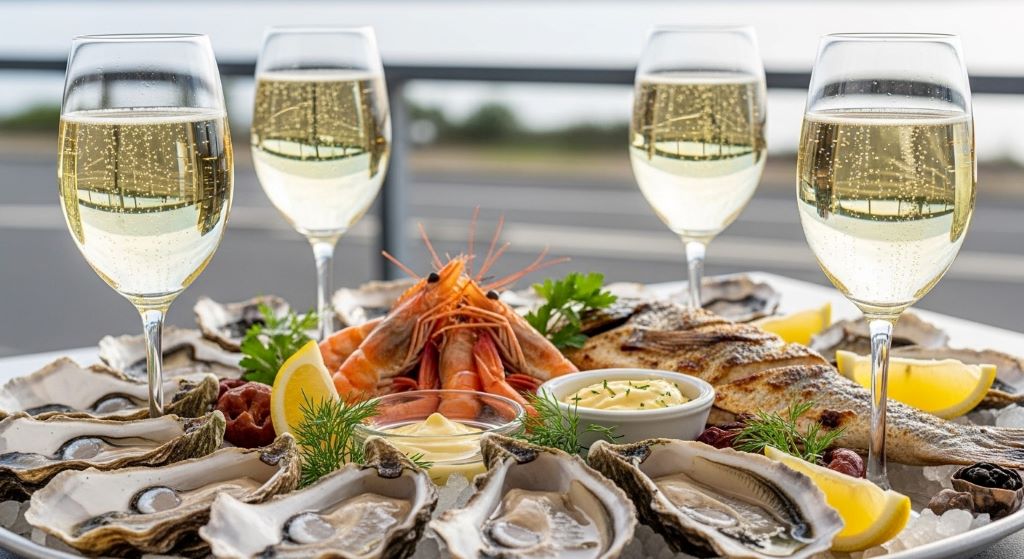
Spanish sparkling wine offers exceptional versatility for seafood pairings. These effervescent wines cleanse the palate while complementing delicate ocean flavors. However, selecting the right bottle requires understanding production methods, regional differences, and specific seafood characteristics.
This guide explores how to match Spanish sparkling wines with various seafood preparations. From grilled fish to raw oysters, the perfect pairing enhances both wine and food experiences.
Understanding Spanish Sparkling Wine Categories
Cava represents Spain’s most famous sparkling wine tradition. Produced primarily in Catalonia, cava follows traditional methods similar to Champagne. The designation requires specific grape varieties and aging periods that influence flavor profiles.
Cava classifications indicate aging duration and complexity. Cava de Guarda requires minimum nine months aging, while Reserva needs 18 months. Gran Reserva demands 30 months, creating richer flavors. Therefore, aging length significantly impacts seafood pairing options.
Beyond cava, Spain produces other sparkling wines worth exploring. Corpinnat represents a newer quality-focused designation emphasizing organic viticulture and extended aging. Additionally, traditional method sparklers from regions like Galicia offer unique regional characteristics.
Espumoso broadly describes all Spanish sparkling wines regardless of production method. Some use tank fermentation rather than bottle fermentation. These simpler wines cost less but offer fewer complex flavors for nuanced seafood pairings.
Matching Wine Sweetness Levels to Seafood
Brut Nature contains zero added sugar, offering bone-dry profiles perfect for raw shellfish. This driest category highlights natural wine flavors without sweetness interfering. Moreover, the crisp acidity cuts through rich seafood preparations beautifully.
Extra Brut provides minimal sweetness while maintaining refreshing character. This level works wonderfully with grilled fish and lighter seafood pasta dishes. The subtle sweetness balances charred flavors without overwhelming delicate seafood.
Brut remains the most versatile sweetness level for seafood pairings. Slight sweetness rounds harsh edges while complementing both simple and complex preparations. Therefore, brut works as an excellent all-purpose choice for mixed seafood menus.
Extra Seco and Seco contain noticeable sweetness better suited for specific applications. These levels pair with spicy seafood dishes or sweet shellfish like lobster and scallops. However, avoid sweeter styles with raw or simply prepared fish.
Selecting Grape Varieties for Different Seafood
Macabeo provides crisp acidity and citrus notes ideal for white fish. This grape creates refreshing wines that don’t overpower subtle flavors. Additionally, macabeo-dominant cavas work beautifully with ceviche and crudo preparations.
Xarel·lo offers weight and structure supporting richer seafood dishes. This grape provides nutty, herbal characteristics complementing grilled preparations. Therefore, xarel·lo-based sparklers pair excellently with octopus and squid.
Parellada contributes floral aromatics and delicate flavors perfect for shellfish. This lightest traditional cava grape enhances oysters, clams, and mussels. Moreover, its elegance suits raw bar presentations requiring finesse.
Chardonnay adds body and complexity to premium cavas. International varieties bring familiar flavors while maintaining Spanish character. These richer sparklers handle buttery seafood preparations and cream-based sauces.
Trepat creates rare rosé cavas with berry notes complementing salmon and tuna. Pink sparklers provide versatility for fuller-flavored fish. However, ensure the rosé remains dry enough for savory seafood applications.
Pairing with Raw and Chilled Seafood
Oysters demand bone-dry sparklers with high acidity and mineral character. Brut Nature cava from coastal regions mirrors oyster salinity perfectly. The wine’s effervescence also cleanses the palate between bites.
Ceviche requires bright acidity to complement citrus marinades. Younger cavas with pronounced citrus notes echo lime and lemon flavors. Additionally, the bubbles refresh between spicy bites without adding sweetness.
Shrimp cocktail pairs beautifully with crisp, straightforward brut cava. The cocktail sauce’s sweetness and acidity need balanced wine partners. Therefore, avoid overly complex aged sparklers that compete with bold flavors.
Crudo and carpaccio showcase delicate fish requiring subtle wine partners. Parellada-heavy cavas provide elegance without overwhelming raw preparations. Moreover, minimal aging preserves the fresh fruit character these dishes need.
According to Wine Enthusiast, the high acidity and persistent bubbles in quality cava make it an ideal partner for raw shellfish and light seafood preparations.
Matching with Grilled and Roasted Seafood
Grilled whole fish benefits from aged Reserva or Gran Reserva cavas. Extended aging adds nutty, toasted notes echoing char flavors. These complex wines stand up to bold grilled preparations without getting lost.
Roasted shellfish like lobster and prawns pair wonderfully with fuller-bodied sparklers. Chardonnay-influenced cavas provide richness matching sweet crustacean meat. Additionally, the wine’s weight balances drawn butter and garlic preparations.
Grilled octopus needs structured wines with herbal characteristics. Xarel·lo-dominant cavas offer the necessary body and savory notes. Therefore, these pairings create harmonious flavor conversations rather than competition.
Blackened fish requires sparklers balancing spice and char. Brut level sweetness tempers heat while bubbles cleanse the palate. However, ensure sufficient acidity prevents the pairing from feeling flat.
Complementing Fried Seafood Preparations
Fried calamari demands crisp, high-acid sparklers cutting through oil. The wine’s effervescence refreshes the palate after rich, fried bites. Moreover, bright acidity prevents palate fatigue during appetizer courses.
Fish and chips pairs surprisingly well with affordable brut cava. The casual dish doesn’t require premium aged sparklers. Therefore, younger, fruit-forward options provide refreshment without breaking budgets.
Tempura needs delicate sparklers respecting light batters. Japanese-style preparations require wines with finesse rather than power. Additionally, avoid heavy aged characters that overwhelm subtle flavors.
Fried oysters benefit from slightly richer cavas than raw preparations. The frying adds richness requiring wines with more body. However, maintain high acidity to balance the preparation’s oiliness.
Pairing with Seafood in Sauces
Cream-based sauces require fuller-bodied sparklers with extended aging. Gran Reserva cavas provide richness and complexity matching decadent preparations. These wines contain enough weight to stand alongside heavy sauces.
Tomato-based seafood dishes pair excellently with rosé cava. The wine’s berry notes complement tomato acidity while providing refreshment. Additionally, pink sparklers visually enhance Mediterranean-inspired presentations.
Butter and garlic preparations need wines balancing richness with acidity. Chardonnay-influenced cavas offer the necessary body and complementary flavors. Therefore, these pairings create luxurious dining experiences.
Spicy seafood sauces require off-dry sparklers tempering heat. Extra Brut provides minimal sweetness cooling the palate. However, maintain sufficient bubbles and acidity for refreshment.
Asian-inspired seafood benefits from fruit-forward younger cavas. Bright citrus and apple notes complement soy, ginger, and citrus flavors. Moreover, the wine’s refreshing quality balances bold Asian seasonings.
Considering Regional Seafood Specialties
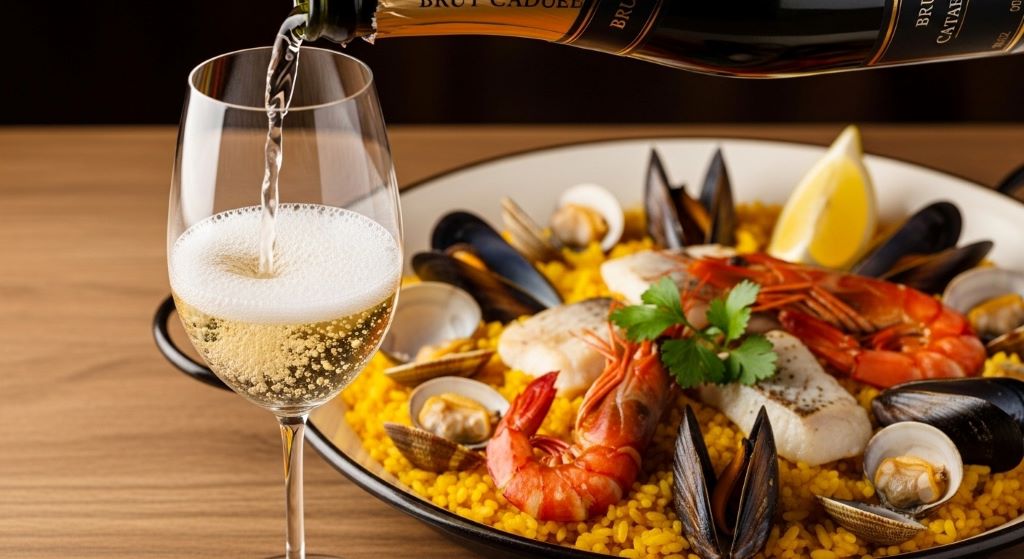
Paella demands versatile sparklers handling mixed seafood and saffron rice. Brut cava from Penedès provides the necessary balance for this complex dish. The wine’s structure supports rich preparations without overwhelming delicate flavors.
Galician pulpo requires wines mirroring the region’s Atlantic influence. Albariño-based sparklers from Rías Baixas offer perfect regional harmony. These coastal wines naturally complement octopus preparations.
Basque seafood pintxos need approachable sparklers encouraging multiple small pairings. Affordable brut cava works beautifully across varied preparations. Therefore, choose versatile bottles serving diverse small plates.
Catalonian seafood preparations pair naturally with local cavas. Regional harmony creates authentic dining experiences. Additionally, supporting local producers enhances the cultural connection.
According to Food & Wine, cava’s traditional production regions along Spain’s Mediterranean coast naturally align with local seafood cuisines, creating time-tested pairing traditions.
Understanding Price Points and Quality Indicators
Entry-level cavas starting around ten dollars offer solid everyday seafood pairings. These wines provide refreshment without complexity. However, they lack the depth for special occasions or elaborate preparations.
Mid-range bottles between 15 and 30 dollars deliver excellent quality-to-value ratios. Reserva-level cavas in this range offer aging complexity and refined bubbles. Therefore, these wines suit most seafood dining occasions beautifully.
Premium cavas exceeding 30 dollars showcase extended aging and exceptional fruit. Gran Reserva and single-vineyard bottlings provide memorable experiences. These wines deserve special seafood preparations and celebratory occasions.
Look for vintage-dated bottles indicating superior quality standards. Vintage cavas represent exceptional harvest years warranting individual recognition. Additionally, estate-bottled wines often demonstrate greater care and consistency.
Serving Temperature and Glassware Considerations
Serve Spanish sparkling wines thoroughly chilled between 42 and 47 degrees Fahrenheit. Proper temperature preserves delicate bubbles and refreshing acidity. However, avoid over-chilling which mutes aromatic complexity.
White wine glasses work better than traditional flutes for seafood pairings. Wider bowls release aromatic compounds enhancing the tasting experience. Moreover, the shape allows better appreciation of color and clarity.
Chill bottles at least three hours before serving for optimal temperature. Ice buckets maintain proper serving temperature throughout meals. Additionally, handle bottles gently preserving carbonation quality.
Pour modest servings allowing frequent refills maintaining ideal temperature. Sparkling wine warms quickly in glasses. Therefore, smaller pours ensure each sip remains perfectly chilled.
Reading Labels for Seafood Pairing Information
DO Cava designation guarantees traditional production methods and quality standards. This protected designation ensures minimum aging requirements were met. Additionally, DO status indicates grape variety restrictions were followed.
Corpinnat labels indicate premium quality focusing on organic practices. This newer designation emphasizes terroir expression and extended aging. Therefore, Corpinnat bottles typically offer excellent seafood pairing potential.
Back labels often provide suggested food pairings and serving recommendations. Spanish producers increasingly include helpful pairing guidance. However, use these suggestions as starting points rather than strict rules.
Importers and distributors sometimes add shelf talkers with pairing ideas. These point-of-purchase materials help navigate unfamiliar bottles. Moreover, knowledgeable wine shop staff provide valuable personalized recommendations.
Building a Versatile Seafood Pairing Collection
Stock multiple sweetness levels handling various seafood preparations. Keep Brut Nature for raw shellfish and standard Brut for versatile applications. Additionally, maintain one off-dry bottle for spicy preparations.
Include both young and aged styles serving different occasions. Younger cavas provide everyday refreshment, while Reservas handle special dinners. Therefore, variety ensures appropriate options for any seafood meal.
Explore different producer styles discovering personal preferences. Regional differences and winemaking philosophies create distinct flavor profiles. Moreover, experimentation builds knowledge improving future pairing decisions.
Consider mixed cases allowing broad exploration without commitment. Many retailers offer discounts on multiple bottle purchases. Additionally, case buying provides opportunities comparing different styles side-by-side.
Conclusion
Selecting Spanish sparkling wine for seafood dishes requires balancing sweetness levels, grape varieties, and aging characteristics with specific preparations. Bone-dry Brut Nature complements raw shellfish, while aged Gran Reserva cavas enhance rich grilled seafood. Understanding regional traditions, production methods, and quality indicators guides smart purchasing decisions. Therefore, thoughtful pairing elevates both wine and seafood to memorable dining experiences. The diversity within Spanish sparkling wine categories ensures perfect matches exist for every seafood dish, from simple fried calamari to elaborate seafood paella.
Frequently Asked Questions
What is the best Spanish sparkling wine for oysters?
Brut Nature cava works best for oysters due to its bone-dry profile and high acidity. The complete absence of added sugar allows the wine’s minerality to complement oyster salinity. Additionally, coastal-region cavas mirror the ocean character oysters possess.
Should I choose young or aged cava for grilled fish?
Aged Reserva or Gran Reserva cavas pair better with grilled fish because extended aging develops nutty, toasted notes complementing char flavors. These complex wines provide sufficient structure standing up to bold grilled preparations without overwhelming the fish.
Can rosé cava pair well with seafood?
Yes, rosé cava pairs excellently with fuller-flavored fish like salmon and tuna, as well as tomato-based seafood dishes. The berry notes complement these preparations while maintaining the refreshing acidity seafood requires. However, ensure the rosé remains dry for savory applications.
How cold should I serve Spanish sparkling wine with seafood?
Serve Spanish sparkling wine between 42 and 47 degrees Fahrenheit for seafood pairings. This temperature range preserves delicate bubbles and refreshing acidity while allowing aromatic complexity to emerge. Avoid over-chilling which mutes flavors and aromas.
What is the difference between cava and Champagne for seafood pairings?
Cava typically offers brighter fruit flavors and softer bubbles than Champagne, making it excellent for diverse seafood preparations. Additionally, cava generally costs significantly less while providing comparable quality. However, both wines use traditional methods creating excellent seafood pairing potential.
Related Topics:
Perfect Wine Pairings for Traditional Japanese Kaiseki Meals
Sip and Savor: Mastering Wine Pairing for Fermented Foods Beyond Cheese