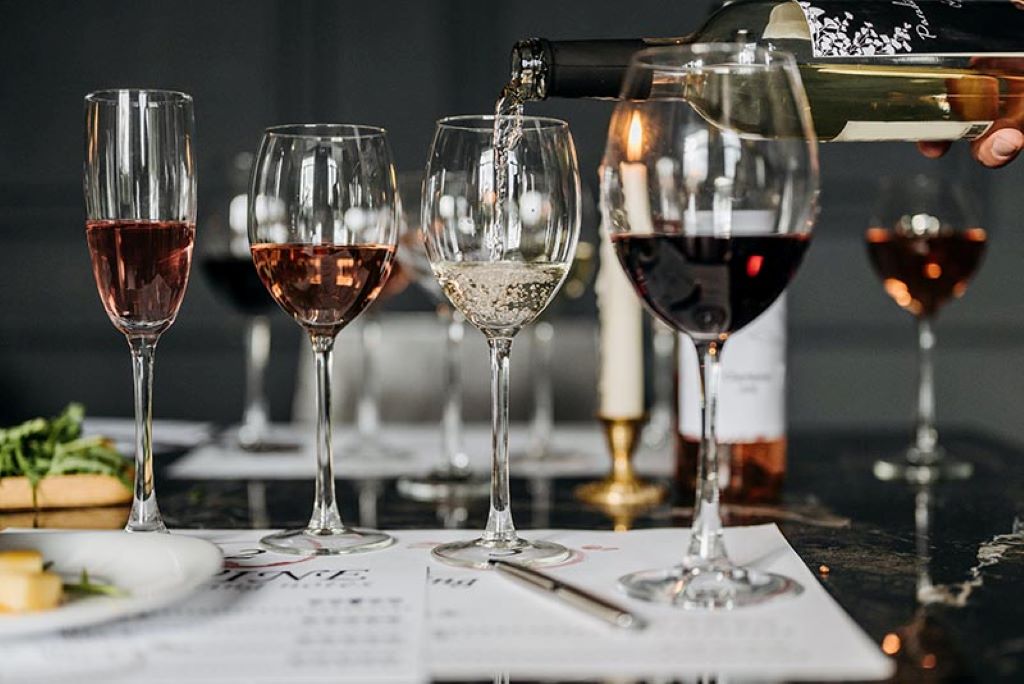
Wine tasting often feels intimidating. The swirling, the sniffing, the pretentious vocabulary—it’s enough to make anyone hesitate before taking that first sip. But here’s the truth: wine tasting for beginners doesn’t require a sommelier certificate or an expensive bottle. It’s about curiosity, practice, and a willingness to trust your senses.
Did you know that 68% of wine drinkers feel overwhelmed by the complexity of tasting notes? According to a survey by Wine Enthusiast, many beginners abandon their wine journey before it even begins. Yet, mastering the basics can transform wine from a mystery into a delightful experience. Whether you’re sipping a bold Cabernet or a crisp Sauvignon Blanc, understanding how to taste wine will deepen your appreciation.
This guide will break down wine tasting into simple, actionable steps. You’ll learn how to engage your senses, identify flavors, and confidently describe what’s in your glass. By the end, you’ll approach every sip with excitement—not intimidation.
Why Wine Tasting Feels Overwhelming (And How to Fix It)
Wine tasting often seems like an exclusive club with its own language and rituals. Terms like “tannins,” “body,” and “finish” can sound like a foreign dialect. Additionally, the fear of “getting it wrong” stops many beginners from exploring further.
However, wine tasting is not about right or wrong. It’s about personal experience. Your palate is unique, and what matters most is what you enjoy. A study by The Journal of Wine Economics found that even experts disagree on tasting notes 50% of the time. This proves that wine appreciation is subjective.
Expert Insight: “Wine tasting is a journey, not a test,” says sommelier Laura Martinez. “Start with what you like, not what you think you should like. Confidence comes with curiosity.”
Step 1: Look—What Your Eyes Reveal About the Wine
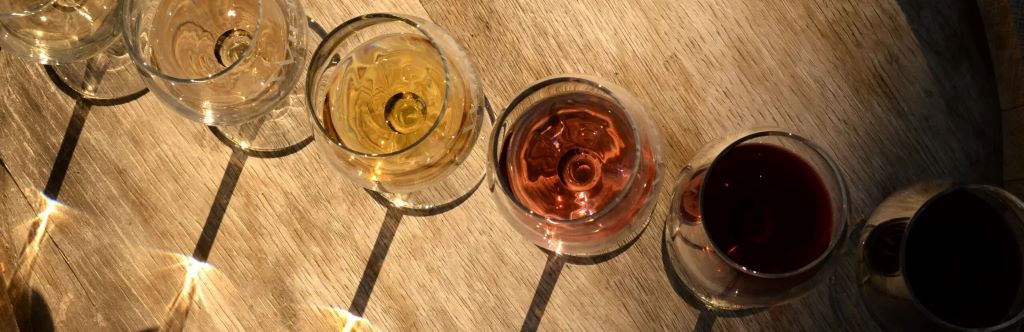
Before you even take a sip, your eyes provide valuable clues. Hold your glass against a white background and tilt it slightly. Observe the color and clarity.
- Color: White wines range from pale straw to deep gold, while reds vary from ruby to inky purple. Older wines often have a browner hue.
- Clarity: A clear wine suggests careful filtration, while a hazy appearance might indicate sediment or a natural winemaking process.
- Legs: After swirling, notice the “legs” or “tears” that run down the glass. Thicker legs often indicate higher alcohol or sugar content.
Real-Life Example: A bright, ruby-red wine likely indicates a young, fruity red like a Pinot Noir. A deep, garnet color might suggest an aged Cabernet Sauvignon.
Professional Tip: Natural light is best for observing wine. Avoid fluorescent lighting, which can distort color.
Step 2: Swirl—Why This Simple Move Matters
Swirling wine isn’t just for show. It aerates the wine, releasing aromas that enhance your tasting experience. Hold the glass by the stem and gently rotate it in small circles.
Swirling also helps you identify the wine’s viscosity. A full-bodied wine, like a Chardonnay, will cling to the glass, while a light-bodied wine, like a Pinot Grigio, will flow quickly.
Expert Insight: “Swirling is like unlocking a treasure chest of aromas,” says wine educator Mark Thompson. “The more you swirl, the more the wine opens up.”
Step 3: Smell—The Nose Knows More Than You Think
Your sense of smell is crucial in wine tasting. In fact, 80% of what we perceive as taste actually comes from our sense of smell. After swirling, take a quick sniff to get a first impression. Then, take a deeper inhale to identify specific aromas.
Common Aromas in Wine:
- Fruits: Citrus, apple, berry, tropical fruits
- Florals: Rose, violet, jasmine
- Earthy Notes: Mushroom, tobacco, leather
- Spices: Vanilla, clove, pepper
Real-Life Example: A Riesling might smell like green apples and petrol, while a Syrah could offer aromas of blackberry and black pepper.
Professional Tip: If you’re struggling to identify aromas, think about familiar scents. Does the wine remind you of a fruit salad? A bakery? A forest after rain?
Step 4: Taste—Beyond “I Like It” or “I Don’t”
Now, it’s time to sip. Take a small amount of wine into your mouth and let it coat your palate. Pay attention to the following elements:
- Sweetness: Is the wine dry, off-dry, or sweet? Sweetness is usually felt on the tip of your tongue.
- Acidity: Does the wine make your mouth water? High acidity feels crisp and refreshing, like biting into a green apple.
- Tannins: Found in red wines, tannins create a drying sensation in your mouth. Think of the feeling of strong black tea.
- Body: Does the wine feel light like skim milk, medium like whole milk, or heavy like cream?
- Flavor: Try to identify specific flavors. Is there a burst of citrus? A hint of chocolate? A touch of smoke?
- Finish: How long do the flavors linger after you swallow? A long finish is often a sign of high-quality wine.
Real-Life Example: A Chianti might taste of cherries and herbs with a medium body and firm tannins. A Moscato, on the other hand, will be light, sweet, and bursting with peach flavors.
Expert Insight: “Don’t rush the taste,” advises sommelier James Carter. “Let the wine sit in your mouth for a few seconds. The flavors evolve, just like the wine itself.”
Step 5: Reflect—Describing Wine Like a Pro
Describing wine can feel daunting, but it doesn’t have to be. Start with simple observations and build from there. Here’s a framework to help:
- Appearance: What does the wine look like?
- Aroma: What does it smell like?
- Taste: What flavors do you detect? How does it feel in your mouth?
- Overall Impression: Do you like it? Would you drink it again?
Example Description: “This wine is a deep ruby red with aromas of black cherry and vanilla. On the palate, it’s full-bodied with soft tannins and flavors of plum and spice. The finish is long and smooth. I’d pair this with a hearty steak.”
Professional Tip: Use comparisons to describe wine. For example, “This Chardonnay tastes like a mix of pineapple and buttered toast.”
Common Mistakes Beginners Make (And How to Avoid Them)
Even the most enthusiastic beginners can fall into common traps. Here’s how to steer clear:
- Judging Too Quickly: Wine evolves in the glass. Give it time to open up, especially reds.
- Ignoring the Glass: The shape of your glass affects the wine’s aroma and taste. Use a standard wine glass for the best experience.
- Overfilling the Glass: Fill your glass only one-third full. This gives you room to swirl and smell.
- Skipping the Water: Always have water on hand to cleanse your palate between tastings.
- Focusing Only on Price: Expensive doesn’t always mean better. Some of the most enjoyable wines are affordable.
Expert Insight: “Wine tasting is about exploration, not perfection,” says Laura Martinez. “Mistakes are part of the learning process. Embrace them.”
Wine Tasting Tips for Beginners: Practical Advice
Ready to dive deeper? Here are some practical wine tasting tips to enhance your experience:
- Start with Lighter Wines: Begin with whites and rosés before moving to reds. This prevents heavier wines from overwhelming your palate.
- Taste with Friends: Wine tasting is more fun (and educational) with others. Compare notes and discuss your impressions.
- Pair with Food: Food can enhance or change the taste of wine. Try pairing a crisp Sauvignon Blanc with goat cheese or a bold Cabernet with dark chocolate.
- Visit Wineries: Many wineries offer beginner-friendly tastings. This is a great way to learn directly from the experts.
- Keep a Journal: Record your thoughts on each wine. Over time, you’ll notice patterns in what you enjoy.
Real-Life Example: A beginner tasting group in Napa Valley found that keeping a journal helped them identify their favorite wine regions and varietals within just three months.
Expert Reviews: What the Pros Wish Beginners Knew
We asked sommeliers and wine educators for their top wine tasting tips for beginners:
- Sophia Lee, Certified Sommelier: “Don’t be afraid to ask questions. Winemakers and sommeliers love sharing their knowledge.”
- Mark Thompson, Wine Educator: “Trust your palate. If you like a wine, it’s a good wine—no matter what the experts say.”
- Emily White, Wine Writer: “Experiment with different temperatures. Serving a red too warm or a white too cold can mask its true flavors.”
Related Topics:
7 FAQs About Wine Tasting for Beginners
- Do I need expensive wine to practice tasting?
Not at all! Start with affordable bottles from reputable regions. Many great wines cost less than $20. - How do I know if a wine is “good”?
A wine is good if you enjoy it. Look for balance—where no single element (like sweetness or acidity) overpowers the others. - What’s the best way to improve my palate?
Taste regularly and mindfully. Try comparing similar wines, like two different Chardonnays, to train your senses. - Should I spit out the wine during tastings?
If you’re tasting multiple wines, spitting helps you stay sober and keep your palate fresh. It’s common practice at professional tastings. - How do I pair wine with food?
Match the wine’s intensity with the food’s richness. Light wines pair with light dishes, while bold wines stand up to hearty meals. - What’s the difference between aroma and bouquet?
Aroma refers to the smells from the grape variety, while bouquet describes the scents developed during aging and winemaking. - Can I taste wine without knowing the terminology?
Absolutely! Focus on what you smell and taste, even if you can’t name it. Your enjoyment is what matters most.
Conclusion: Your Wine Journey Starts Now
Wine tasting for beginners isn’t about memorizing terms or impressing others. It’s about discovering what you love and gaining confidence in your preferences. Every sip is an opportunity to learn, explore, and enjoy.
Remember, even the most seasoned sommeliers started as beginners. The key is to keep tasting, stay curious, and trust your senses. Whether you’re enjoying a glass alone or sharing a bottle with friends, wine is meant to bring joy.
Ready to start your wine journey? Grab a bottle, pour a glass, and begin exploring. Your palate will thank you!