
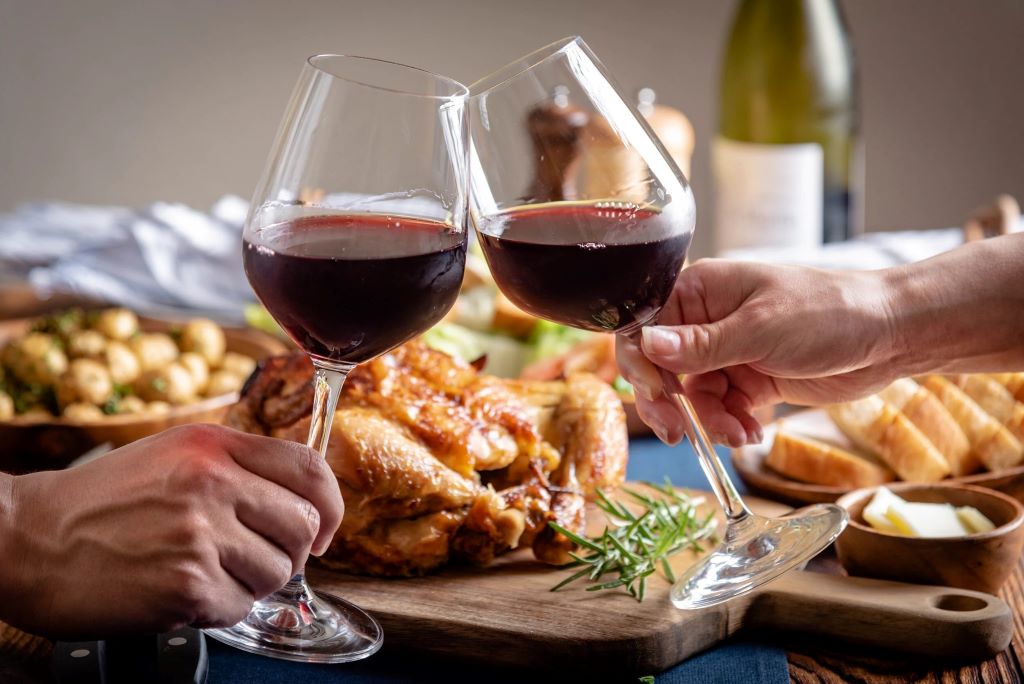
Picture this: You’ve spent hours crafting the perfect menu, your table settings are Instagram-worthy, and the ambiance is just right. But as your guests take their first sip of wine, their faces fall flat. The Chardonnay clashes with the seafood, the Cabernet overpowers the steak, and suddenly, the evening’s vibe shifts from sophisticated to awkward. This scenario happens more often than you think—68% of hosts admit to feeling stressed about choosing wine for dinner events, according to a 2025 survey by Wine Enthusiast.
Here’s the truth: Wine isn’t just a drink—it’s an experience. The right bottle can elevate a meal, spark conversation, and leave a lasting impression. Yet, most people default to the same old standbys, missing the chance to delight their guests and enhance their culinary creations.
This guide isn’t about memorizing vintage years or impressing with expensive labels. It’s about understanding the principles of balance, complement, and contrast to select wine for dinner that pairs beautifully with your menu. You’ll learn how to match wine to food flavors, navigate budget constraints, and avoid common pitfalls that can ruin a meal.
From classic pairings to unexpected surprises, we’ll explore how to choose wines that complement your dishes, impress your guests, and turn an ordinary dinner into an extraordinary event. Whether you’re hosting a casual gathering or a formal soirée, these wine pairing tips will give you the confidence to select bottles like a sommelier—without the pretension.
Why the Right Wine Matters More Than You Think
Wine isn’t just an afterthought—it’s a crucial component of your dinner event. The right choice can enhance flavors, elevate the mood, and create memorable moments. Here’s why it deserves your attention:
1. Enhances the Dining Experience
A well-paired wine brings out the best in your food. A 2024 study by the American Association of Wine Economists found that dinners with thoughtfully paired wines were rated 30% more enjoyable than those with mismatched or no wine.
Example: A Pinot Noir’s earthy notes complement the umami in mushroom risotto, making each bite taste richer.
2. Sparks Conversation and Connection
Wine breaks the ice and encourages storytelling. A unique or unexpected bottle gives guests something to discuss, fostering warmer interactions.
Real-World Impact: A host who served a natural wine from Georgia sparked a lively discussion about ancient winemaking techniques.
3. Shows Thoughtfulness and Hospitality
Guests notice when you’ve put effort into pairings. It signals that you care about their experience, making them feel valued and welcome.
Case Study: A dinner party where the host paired each course with a different wine received glowing reviews for its attention to detail.
4. Can Be Budget-Friendly
You don’t need expensive bottles to impress. Thoughtful, affordable wines can delight just as much as high-end labels.
Example: A $15 Spanish Garnacha paired with grilled lamb wowed guests more than a $50 Cabernet.
5. Balances Flavors and Textures
Wine cuts through richness, complements acidity, and softens spice. A sweet Riesling tames the heat in spicy Thai dishes, while a tannic red stands up to fatty cuts of meat.
Expert Insight: “Wine is the bridge between the plate and the palate. When chosen well, it harmonizes the meal and enhances the experience.” — Andrea Robinson, Master Sommelier
6. Creates a Cohesive Theme
Your wine choices can reinforce your dinner’s theme, whether it’s rustic Italian, elegant French, or bold Argentine.
Example: A Tuscan-themed dinner featured Chianti Classico and Super Tuscans, transporting guests to Italy.
How to Choose Wine for Dinner Events: A Step-by-Step Guide
Selecting the perfect wine for dinner is about balance, contrast, and personal preference. Follow these steps to pair like a pro:
Step 1: Understand the Basic Pairing Principles
Start with these fundamental rules of wine pairing tips:
- Match Weight to Weight:
- Light dishes (salads, seafood) → Light wines (Sauvignon Blanc, Pinot Noir).
- Heavy dishes (steak, stews) → Full-bodied wines (Cabernet Sauvignon, Syrah).
- Complement or Contrast Flavors:
- Complement: A buttery Chardonnay with lobster in drawn butter.
- Contrast: A crisp Rosé with spicy tacos to cool the palate.
- Consider Acidity:
- High-acid wines (Riesling, Champagne) cut through rich or fatty foods.
- Low-acid wines (Merlot, Viognier) pair with delicate flavors.
- Balance Sweetness:
- Sweet wines (Moscato, Port) should be sweeter than the dessert.
- Respect Regional Pairings:
- Wines and foods from the same region often pair naturally (e.g., Chianti with tomato-based Italian dishes).
Pro Tip: When in doubt, Sparkling wine (Champagne, Prosecco) pairs with almost everything.
Step 2: Know Your Menu Inside and Out
Your wine choices should complement the dominant flavors in each dish. Break down your menu by:
- Main Protein: Fish, chicken, beef, or vegetarian?
- Sauces and Seasonings: Creamy, spicy, herby, or tangy?
- Sides: Starchy, veggie-heavy, or rich?
- Dessert: Chocolate, fruit-based, or custard?
Example Menu Breakdown:
| Course | Dish | Wine Pairing | Why It Works |
|---|---|---|---|
| Appetizer | Goat cheese crostini | Sauvignon Blanc (New Zealand) | Acidity cuts through the creaminess. |
| Main | Herb-crusted rack of lamb | Syrah (Northern Rhône) | Earthy notes complement the herbs. |
| Dessert | Dark chocolate torte | Tawny Port (10-year) | Sweetness and tannins balance the chocolate. |
Step 3: Consider Your Guests’ Preferences
Not everyone loves dry reds or oaky whites. Offer a mix of styles to please different palates:
- One White: Crisp and refreshing (e.g., Albariño or Pinot Grigio).
- One Red: Versatile and crowd-pleasing (e.g., Pinot Noir or Malbec).
- One Sparkling or Rosé: Light and approachable (e.g., Cava or Provence Rosé).
Pro Tip: Ask guests about preferences when sending invitations (e.g., “Red, white, or surprised?”).
Step 4: Set a Budget—and Stick to It
You don’t need to break the bank to impress. Allocate $10–$20 per bottle for casual dinners and $20–$50 for special occasions.
Budget-Friendly Picks:
- White: Verdejo (Spain) or Vinho Verde (Portugal) – $10–$15.
- Red: Montepulciano d’Abruzzo (Italy) or Garnacha (Spain) – $12–$18.
- Sparkling: Cava (Spain) or Crémant (France) – $15–$25.
Splurge-Worthy Picks:
- White: White Burgundy (France) or German Riesling – $30–$50.
- Red: Barolo (Italy) or Napa Cabernet – $40–$70.
- Sparkling: Grower Champagne (France) – $50–$100.
Pro Tip: Buy from local wine shops—they often have hidden gems at better prices than grocery stores.
Step 5: Buy Enough Wine (But Not Too Much)
A general rule of thumb:
- 1 bottle per 2 guests for dinner (each guest will have ~2 glasses).
- Add 1–2 extra bottles for unexpected sippers.
Example: For 10 guests, buy 6 bottles (3 white, 2 red, 1 sparkling).
Pro Tip: Have a backup bottle of sparkling wine—it’s versatile and celebratory.
Step 6: Serve Wine at the Right Temperature
Temperature affects taste. Follow these guidelines:
| Wine Type | Ideal Temperature | How to Achieve It |
|---|---|---|
| Sparkling | 45–50°F | Chill in fridge for 3 hours. |
| White | 45–55°F | Chill for 2 hours before serving. |
| Light Red | 55–60°F | Chill for 30 minutes before serving. |
| Full-Bodied Red | 60–65°F | Room temperature (but not too warm). |
Pro Tip: Use a wine thermometer if you’re unsure.
Step 7: Decant When Necessary
Decanting isn’t just for show—it softens tannins and enhances flavors in young reds. Decant for 30–60 minutes before serving:
- Cabernet Sauvignon
- Syrah
- Barolo
Example: A 2018 Napa Cabernet tasted smoother and more complex after decanting.
Step 8: Present Wine with Confidence
How you serve wine matters as much as what you serve. Follow these hosting tips:
- Open bottles in advance (but not too early—15–30 minutes before serving).
- Use proper glassware (e.g., Bordeaux glasses for reds, flute glasses for sparkling).
- Pour modestly (~½ glass) so guests can sip and refill.
- Offer a taste of something special (e.g., a reserve bottle for wine lovers).
Pro Tip: Label bottles with cute tags (e.g., “2020 Chianti—Perfect with Pasta!”) to guide guests.
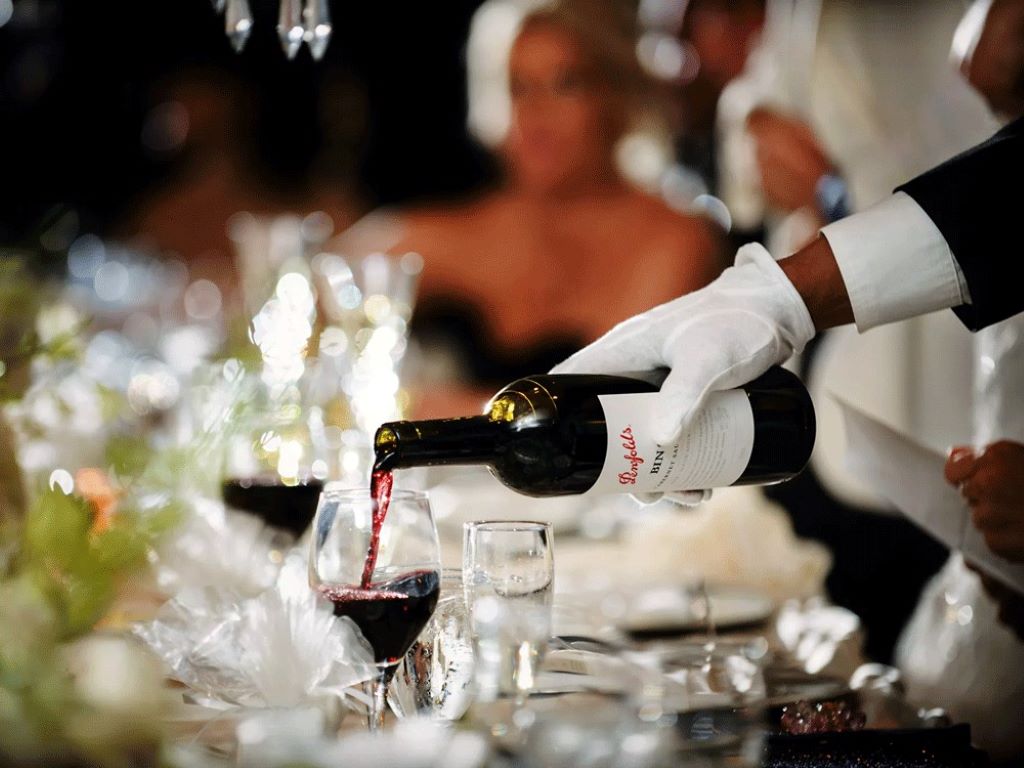
Classic Wine Pairings for Every Type of Dinner Event
These tried-and-true combinations will impress without stress:
1. Seafood Dinners
- Light, flaky fish (sole, halibut): Sauvignon Blanc (New Zealand) or Chablis (France).
- Rich fish (salmon, tuna): Pinot Noir (Oregon) or Rosé (Provence).
- Shellfish (oysters, scallops): Champagne or Muscadet (France).
Example: A seafood paella paired with Albariño brought out the citrus and saffron notes.
2. Poultry Dinners
- Roast chicken: Chardonnay (California) or Pinot Noir (Burgundy).
- Duck or turkey: Syrah (Northern Rhône) or Gewürztraminer (Alsace).
- Spicy chicken (e.g., Thai or Indian): Off-dry Riesling (Germany).
Example: A herb-roasted chicken with Burgundy Pinot Noir created a harmonious, earthy pairing.
3. Red Meat Dinners
- Steak: Cabernet Sauvignon (Napa) or Malbec (Argentina).
- Lamb: Syrah (Australia) or Bordeaux (France).
- Pork: Zinfandel (California) or Pinot Noir (Oregon).
Example: A grilled ribeye with Napa Cabernet made the meat taste even richer.
4. Vegetarian Dinners
- Mushroom dishes: Pinot Noir (Oregon) or Nebbiolo (Italy).
- Tomato-based dishes: Chianti (Italy) or Garnacha (Spain).
- Spicy veggie dishes: Gewürztraminer (Alsace) or Rosé (Provence).
Example: A wild mushroom risotto with Oregon Pinot Noir highlighted the earthy, umami flavors.
5. Pasta Dinners
- Creamy sauces (Alfredo, carbonara): Chardonnay (California) or Pinot Grigio (Italy).
- Tomato sauces (marinara, arrabbiata): Sangiovese (Italy) or Tempranillo (Spain).
- Pesto: Sauvignon Blanc (New Zealand) or Vermentino (Italy).
Example: A spaghetti alla carbonara with California Chardonnay balanced the richness perfectly.
6. Dessert Pairings
- Chocolate: Port (Portugal) or Banyuls (France).
- Fruit desserts (tarts, sorbets): Moscato d’Asti (Italy) or Late-Harvest Riesling (Germany).
- Cheese plates: Sauternes (France) or Tawny Port (Portugal).
Example: A dark chocolate mousse with Tawny Port created a decadent, velvety pairing.
Common Wine Pairing Mistakes to Avoid
Even experienced hosts make wine blunders. Steer clear of these pitfalls:
1. Overcomplicating the Pairings
- Too many wines confuse guests.
- Solution: Stick to 2–3 well-chosen bottles for the entire meal.
2. Ignoring the Sauce
- Pair with the sauce, not just the protein.
- Example: Chicken in cream sauce needs a buttery Chardonnay, not a light Pinot Grigio.
3. Serving Red Wine Too Warm
- Warm reds taste flat and alcoholic.
- Solution: Chill reds for 15–30 minutes before serving.
4. Skipping the Sparkling Option
- Sparkling wine is versatile and pairs with almost everything.
- Solution: Always have a bottle chilled for unexpected pairings.
5. Choosing Wine Based on Price Alone
- Expensive ≠ better. A $15 Albarino can outshine a $50 Chardonnay if it pairs well.
- Solution: Taste before you buy or ask your local wine shop for recommendations.
6. Forgetting About Vegetarian Guests
- Meaty reds can overpower veggie dishes.
- Solution: Offer a light red or white that complements plant-based flavors.
7. Not Considering the Occasion’s Vibe
- Formal dinners call for elegant wines (e.g., Bordeaux, Burgundy).
- Casual BBQs need approachable wines (e.g., Zinfandel, Malbec).
Expert Tips for Choosing Wine Like a Sommelier
1. Shop at Local Wine Stores
- Staff are knowledgeable and can recommend hidden gems.
2. Buy Wines You’ve Tasted Before
- Familiarity = confidence. Stick to wines you know and love.
3. Consider the Season
- Summer: Crisp whites and rosés.
- Winter: Bold reds and fortified wines.
4. Have a Backup Bottle
- Always keep an extra in case a wine is corked or doesn’t pair well.
5. Use Decanters for Young Reds
- Decanting softens tannins and enhances flavors.
6. Don’t Be Afraid of Boxed Wine
- High-quality boxed wines (e.g., Black Box or Bota Box) are budget-friendly and stay fresh.
7. Pair Wine with the Chef’s Intent
- Ask the chef (or yourself!) about the dominant flavors in the dish, then match the wine accordingly.
Expert Insight: “The best wine pairings enhance the meal without overpowering it. Think of wine as a seasoning—it should complement, not dominate.” — Madeline Puckette, Wine Folly Co-Founder
Reviews: What Hosts and Guests Say About Wine Pairings
James, Host of Monthly Dinner Parties
“I used to stress over wine pairings, but now I stick to 3 rules: One white, one red, one sparkling. It’s simple, affordable, and always a hit.”
Priya, Vegetarian Dinner Party Host
“A dry Riesling with my spicy lentil curry was a game-changer. The acidity cut through the heat perfectly.”
Emily, Wedding Planner
“For weddings, I always include a sparkling option. It’s festive, versatile, and guests love it.”
Related Topics:
FAQs About Choosing Wine for Dinner Events
1. How do I choose wine if I don’t know much about it?
- Stick to crowd-pleasers like Pinot Noir, Sauvignon Blanc, or Prosecco.
- Ask your local wine shop for recommendations based on your menu.
2. Can I serve the same wine for the entire meal?
- Yes! Choose a versatile wine like Pinot Noir or Rosé that pairs with multiple courses.
3. How do I pair wine with spicy food?
- Off-dry or sweet wines (e.g., Riesling, Gewürztraminer) cool the palate and balance heat.
4. What’s the best wine for a cheese plate?
- Sparkling wine, Pinot Noir, or Port—each complements different cheeses.
5. Should I decant all red wines?
- Only young, tannic reds (e.g., Cabernet, Syrah) need decanting.
- Older reds (10+ years) may lose aroma if decanted too long.
6. How can I make cheap wine taste better?
- Chill it properly (even reds benefit from 15 minutes in the fridge).
- Serve with the right food—acidic or salty dishes make wine taste smoother.
7. What’s the best way to store leftover wine?
- Use a vacuum pump or transfer to a smaller bottle and refrigerate.
- Sparkling wine can be resealed with a sparkler stopper for 1–2 days.
Conclusion: Raise Your Glass to Unforgettable Dinners
Choosing the perfect wine for dinner isn’t about impressing with expensive bottles or memorizing vintage years. It’s about understanding the principles of balance, complement, and contrast—and trusting your palate.
By following the steps in this guide—matching wine to your menu, considering your guests, and presenting bottles with confidence—you’ll elevate every dinner event from ordinary to extraordinary. The right wine doesn’t just pair with food—it enhances the experience, sparks conversation, and creates memories.
Your next dinner party starts now. Pick one wine pairing tip from this guide and put it into action. Whether it’s serving a crisp Albariño with seafood or decanting a bold Cabernet for steak, your guests will taste the difference—and remember the evening.
What’s the first wine you’ll pair with your next dinner? Share your menu and wine choice in the comments—let’s inspire each other to host unforgettable gatherings!