Picture this: You uncork a bottle of your favorite Cabernet Sauvignon, only to find it tastes flat, vinegary, or worse—like wet cardboard. Heartbreaking, isn’t it? Yet, this fate befalls countless wine enthusiasts who overlook the art of proper storage. In 2025, Americans spent over $80 billion on wine, according to Wine Institute. But without the right conditions, even the finest vintages can turn undrinkable.
The good news? You don’t need a sprawling cellar or expensive equipment to store wine at home like a pro. Whether you’re a casual sipper or a serious collector, this guide reveals the secrets to preserving your wine’s flavor, aroma, and value. From temperature control to humidity hacks, you’ll learn how to transform any space into the perfect wine sanctuary.
Let’s raise a glass to perfect preservation—and never waste another drop.
Why Proper Wine Storage Matters More Than You Think
Wine is a living, evolving beverage. Its flavors develop and change over time, influenced by storage conditions. Poor storage accelerates aging, ruins aromas, and wastes your investment. A study by The University of California, Davis found that 70% of wine faults stem from improper storage.
Consider the experience of Mark, a Napa Valley sommelier. He once stored a case of 2012 Bordeaux in his kitchen for a month. “The heat and light destroyed it,” he admits. “What should have been a $500 collection turned into vinegar.” His mistake? Ignoring the basics of wine storage tips.
Proper storage isn’t just for collectors. Even a $15 bottle benefits from the right conditions. Whether you’re aging a Barolo for a decade or saving a Chardonnay for next weekend, these principles apply.
Step 1: Master the Big Three—Temperature, Humidity, and Light
Three environmental factors dictate your wine’s fate. Get these right, and you’re 90% there.
Temperature: The Goldilocks Rule
Wine thrives in consistent, cool temperatures. The ideal range is 45–65°F (7–18°C), with 55°F (13°C) being the sweet spot. Fluctuations are the enemy. A Wine Spectator study showed that temperature swings of just 10°F can age wine prematurely.
- Too warm? Wine ages too quickly, losing freshness and developing cooked flavors.
- Too cold? The wine’s development stalls, and corks may dry out.
- Inconsistent? Thermal shock damages the wine’s structure.
Pro tip: Avoid kitchens, laundry rooms, or attics. A closet, basement, or dedicated wine fridge works best.
Humidity: The Cork’s Best Friend
Humidity levels between 50–80% keep corks moist and airtight. Below 50%, corks dry out, letting oxygen seep in and spoil the wine. Above 80% risks mold on labels and capsules.
- Low humidity? Place a bowl of water or a damp towel near your storage area.
- High humidity? Use a dehumidifier or silica gel packets.
- No humidity control? Store bottles horizontally to keep corks in contact with wine.
Light: The Silent Spoiler
UV rays break down wine’s delicate compounds, creating “lightstruck” flavors reminiscent of wet wool. Even indoor lighting can cause damage over time.
- Natural light? Store wine in a dark closet or basement.
- Artificial light? Use LED bulbs, which emit minimal UV.
- Displaying bottles? Opt for UV-filtered glass doors or keep bottles in cardboard boxes.
Step 2: Choose the Right Storage Solution for Your Space
You don’t need a fancy cellar to store wine at home effectively. Here’s how to pick the best option for your budget and lifestyle.
Wine Fridges: Compact and Controlled
Wine fridges (or wine coolers) are the gold standard for home storage. They maintain precise temperature and humidity levels, protect against light, and fit seamlessly into kitchens or dining rooms.
- Single-zone fridges (one temperature setting) work for reds or whites, but not both.
- Dual-zone fridges let you store reds and whites at their ideal temps.
- Capacity: Choose a 20–50 bottle unit for casual drinkers or 100+ for collectors.
Top picks:
- Ivation 18-Bottle Thermoelectric Cooler (budget-friendly, quiet)
- NewAir 33-Bottle Compressor Wine Fridge (dual-zone, reliable)
- EuroCave Premiere (luxury, precise climate control)
DIY Cellars: For the Hands-On Enthusiast
Convert a closet, basement, or spare room into a wine cellar. Use insulation, a cooling unit, and humidity control to mimic professional conditions.
- Cooling: Install a wine cellar cooling unit (like WhisperKOOL) to maintain temps.
- Insulation: Use foam board or vapor barriers to regulate temperature.
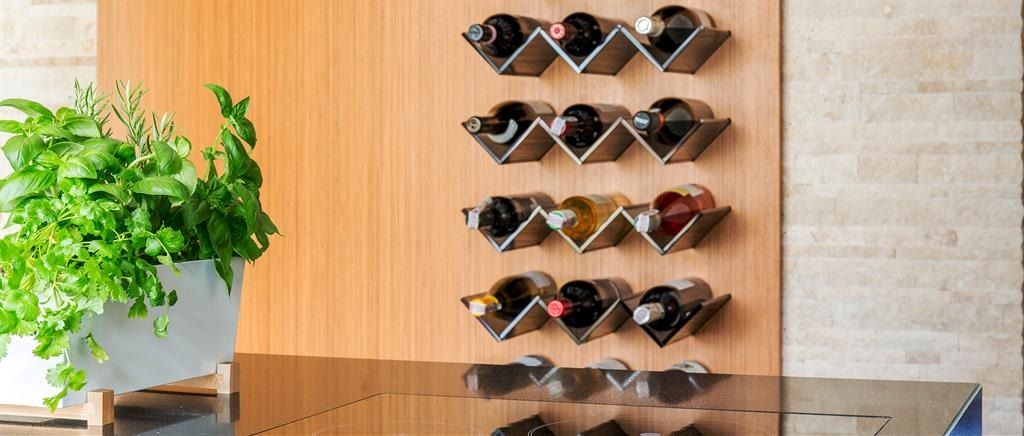
- Racks: Wall-mounted or freestanding racks maximize space. Vinotemp and Wine Enthusiast offer stylish options.
Pro tip: Add a hygrometer to monitor humidity and a thermometer to track temperature.
Passive Storage: Simple and Affordable
No budget for a fridge or cellar? Use these low-cost wine storage tips:
- Cardboard boxes: Store bottles horizontally in a cool, dark closet.
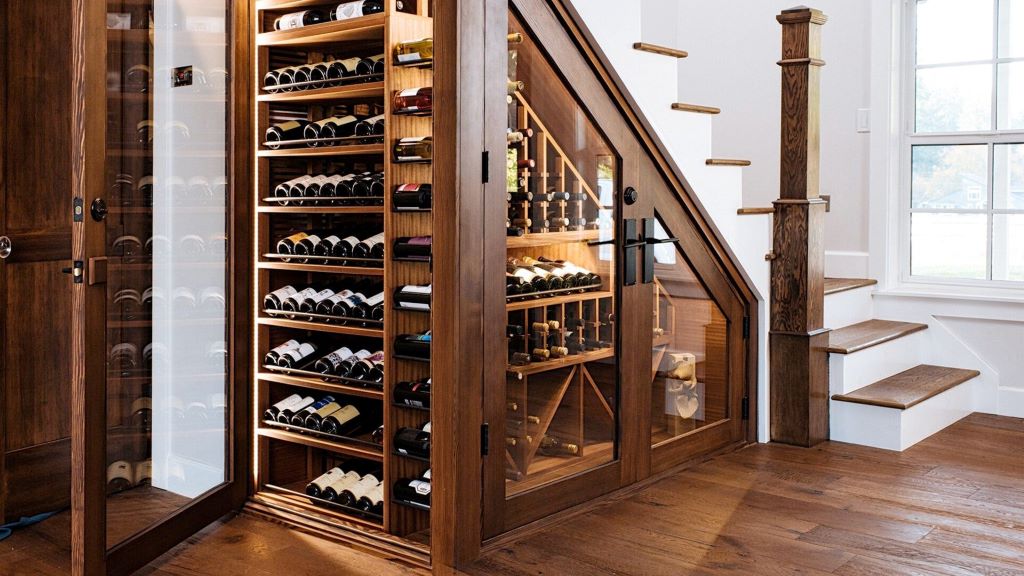
- Under-the-stairs space: Line the area with insulation and add a small fan for airflow.
- Unused fireplace: Clean it out, add shelves, and use it for short-term storage.
Warning: Avoid garages, sheds, or uninsulated spaces—temperature swings ruin wine.
Step 3: Organize Your Collection Like a Sommelier
A well-organized wine storage system saves time, prevents waste, and enhances your drinking experience. Follow these expert strategies.
The FIFO Rule: First In, First Out
Rotate your stock so older bottles get drunk first. Use these methods:
- Date labels: Mark bottles with purchase dates using removable labels.
- Color-coded tags: Assign colors to different vintages or drink-by dates.
- App tracking: Use Vivino or CellarTracker to catalog and track your collection.
Group by Type and Drinkability
Store wines in zones based on their ideal serving temperatures and aging potential:
- Ready-to-drink whites and rosés: 45–50°F (7–10°C)
- Reds for short-term storage: 55–60°F (13–16°C)
- Long-term aging reds: 55°F (13°C) with minimal fluctuation
- Sparkling wines and Champagne: 45°F (7°C) to preserve bubbles
Horizontal vs. Vertical Storage
- Horizontal: Best for long-term storage (keeps corks moist).
- Vertical: Okay for short-term (weeks or months) but risks drying corks.
- Upside down? Avoid this—sediment can mix into the wine when opened.
Label Visibility and Accessibility
Store bottles with labels facing outward for easy identification. Use bin dividers or labeled shelves to categorize by region, varietal, or occasion (e.g., “Dinner Party,” “Gifts,” “Special Occasions”).
Step 4: Avoid These Common Wine Storage Mistakes
Even well-intentioned wine lovers make errors that ruin their collections. Steer clear of these pitfalls.
Mistake 1: Storing Wine Upright for Too Long
Upright storage dries out corks, letting air in and oxidizing the wine. Fix: Store bottles horizontally for any period longer than a few weeks.
Mistake 2: Ignoring Vibration
Vibration disturbs wine’s sediment and accelerates aging. Fix: Keep wine away from washers, dryers, or busy thoroughfares. Use rubber mats under racks to absorb shocks.
Mistake 3: Overlooking Cork Quality
Cheap or damaged corks fail to seal properly. Fix: Inspect corks before storing. If a cork crumbles or leaks, transfer the wine to a Vacu Vin stopper or drink it soon.
Mistake 4: Storing Wine in the Fridge Long-Term
Kitchen fridges are too cold and dry for long-term storage. Fix: Use the fridge for short-term chilling (up to a month). For longer storage, invest in a wine fridge.
Mistake 5: Forgetting About Sediment
Older reds develop sediment that can taste bitter. Fix: Store these bottles upright for 24 hours before serving to let sediment settle. Decant carefully.
Step 5: Age Your Wine Like a Pro
Not all wines improve with age. Learn which bottles to cellar and which to drink young.
Wines That Improve With Age
These wines benefit from 5–20 years of aging:
- Reds: Cabernet Sauvignon, Barolo, Bordeaux, Syrah, Brunello di Montalcino
- Whites: White Burgundy, German Riesling (especially Spätlese or Auslese), vintage Champagne
- Fortified: Port, Madeira, Sherry
Wines to Drink Young
Most wines (90%) are meant to be enjoyed within 1–3 years:
- Reds: Beaujolais, Pinot Noir, most Zinfandels
- Whites: Sauvignon Blanc, Pinot Grigio, most Chardonnays
- Rosé and Sparkling: Drink within 1–2 years (except vintage Champagne)
How to Tell If a Wine Is Ready
- Taste it: If it’s delicious now, drink it. If it’s harsh or tannic, it may need more time.
- Research: Use Wine-Searcher or CellarTracker to check drinking windows for specific bottles.
- Ask experts: Sommeliers or wine shop owners can offer guidance.
Real-Life Reviews: How Wine Lovers Store Their Collections
The Urban Apartment Dweller
“My tiny NYC apartment has no basement, so I use a NewAir 28-bottle fridge,” says Sarah, a marketing manager. “It fits under my counter and keeps my reds and whites at perfect temps. I label everything with Vivino to track drink-by dates.”
The DIY Cellar Builder
Mark, a retired engineer, converted his basement into a cellar. “I used WhisperKOOL cooling, foam insulation, and redwood racks,” he explains. “My 500-bottle collection stays at 55°F year-round. The humidity hovers around 65%—perfect for my Bordeaux and Burgundy.”
The Budget-Conscious Collector
College student Emma stores wine in a dark closet with a hygrometer and thermometer. “I lay bottles on their sides in cardboard boxes,” she says. “It’s not fancy, but my $20 wines taste great after a year. I use CellarTracker to remind me when to drink them.”
7 FAQs About How to Store Wine at Home
1. Can I store wine in my regular fridge long-term?
No. Kitchen fridges are too cold (35–40°F) and dry for long-term storage. Use them for short-term chilling (up to a month). For longer storage, invest in a wine fridge or cellar.
2. How long can I store an open bottle of wine?
Most wines last 1–3 days after opening. Use a Vacu Vin stopper to extend freshness to 3–5 days. Fortified wines (Port, Sherry) last up to a week. Sparkling wine loses bubbles quickly—drink within 24 hours.
3. What’s the best temperature for storing red vs. white wine?
- Reds: 55–60°F (13–16°C) for aging; serve at 60–65°F (16–18°C).
- Whites: 45–50°F (7–10°C) for storage; serve at 45–50°F (7–10°C).
- Sparkling: 45°F (7°C) for storage and serving.
4. Does wine really need to be stored horizontally?
Yes, for long-term storage. Horizontal positioning keeps corks moist and airtight. Vertical storage is fine for short-term (weeks) or wines with screw caps.
5. How do I know if my wine has gone bad?
Signs of spoiled wine:
- Cork taint (TCA): Smells like wet cardboard or moldy newspaper.
- Oxidation: Flat, nutty, or sherry-like aromas.
- Volatile acidity (VA): Vinegar-like smell or taste.
- Reduction: Rotten egg or burnt rubber odors (can sometimes be fixed by aerating).
6. Can I store wine in a garage or attic?
No. Garages and attics experience extreme temperature swings and lack humidity control. These conditions ruin wine quickly. Opt for a climate-controlled space instead.
7. How do I store wine if I don’t have a cellar or fridge?
Use these alternatives:
- Dark closet or pantry: Add a hygrometer and thermometer to monitor conditions.
- Under-the-bed storage: Use a wine rack and keep bottles horizontal.
- Cooler basement corner: Insulate with foam board if needed.
Related Topics:
Conclusion: Sip, Savor, and Store With Confidence
Storing wine at home isn’t just about preservation—it’s about honoring the craftsmanship, history, and joy each bottle represents. Whether you’re cellaring a prized Barolo or chilling a crisp Sauvignon Blanc for Friday night, the right techniques ensure every sip delivers maximum pleasure.
Remember, the key to perfect wine storage lies in consistency. Control temperature, humidity, and light, and your collection will thrive. Start small with a wine fridge or closet setup, then expand as your passion grows.
Your perfect pour awaits. Start storing your wine like a pro today—and never let a good bottle go to waste again.