Wine storage is an art that transforms a good bottle into a great experience. Whether you’re a casual enthusiast or a seasoned collector, proper storage ensures your wine ages gracefully, preserving its flavor and value. With the right conditions, you can store wine at home like a pro, avoiding common mistakes that ruin quality. This guide will educate you on essential techniques, demonstrate practical steps, and fascinate you with insights into creating the perfect environment for your collection. From temperature control to avoiding pitfalls, we’ll cover everything you need to know. Let’s dive into the world of wine storage and unlock the secrets to keeping your bottles in top shape.
Understanding Ideal Wine Storage Conditions
Proper wine storage hinges on controlling temperature, humidity, and light. According to a 2023 study by the University of California, Davis, consistent temperatures between 50-59°F (10-15°C) are optimal for preserving wine’s chemical balance. Fluctuations can cause corks to expand or contract, letting air seep in and spoil the wine. Humidity, ideally 60-70%, prevents corks from drying out, which could lead to oxidation.
Additionally, darkness is crucial. Ultraviolet light degrades wine’s organic compounds, altering its taste. A personal lesson learned: I once stored a bottle near a sunny window, only to find its vibrant flavor dulled after months. Use dark, cool spaces like basements or dedicated wine coolers to mimic professional cellars. These conditions ensure your wine matures properly, enhancing its complexity over time.
Choosing the Right Wine Storage Location
Selecting a storage spot is critical for maintaining wine quality. Basements are often ideal due to their cool, stable environment. However, avoid areas near heaters or appliances that generate heat, as they cause temperature swings. If a basement isn’t available, consider a wine cooler or a shaded interior closet.
Vibration is another enemy of wine. Constant movement from nearby washing machines or heavy foot traffic can disturb sediment, affecting flavor. A 2024 report from the Wine Institute confirms that vibration-free zones extend wine longevity. My first attempt at storage near a laundry room taught me this the hard way—my reds tasted off after a year. Choose a quiet, dark corner to store wine and keep bottles safe.
Temperature Control for Perfect Wine Preservation
Temperature is the backbone of wine storage. Experts recommend 55°F (13°C) as the sweet spot for most wines. Higher temperatures accelerate aging, while colder ones slow it, potentially stunting flavor development. Invest in a wine cooler with precise controls for consistency.
For those without a cooler, monitor room temperature with a digital thermometer. I once used a basic cooler during a hot summer, saving my collection from spoilage. Avoid refrigerators for long-term storage; their low humidity dries corks. Therefore, prioritize stable, moderate conditions to store wine effectively and maintain its quality.
Humidity’s Role in Protecting Wine Corks
Humidity levels between 60-70% are vital for keeping corks moist and airtight. Too little humidity dries corks, allowing air to enter and oxidize the wine. Conversely, excessive moisture risks mold growth, damaging labels and corks.
Use a hygrometer to track humidity in your storage area. If levels are low, place a small water pan nearby or invest in a humidifier. My early storage setup lacked humidity control, and a prized bottle’s cork crumbled, ruining the wine. Thus, maintaining proper humidity is essential to store wine like a pro and protect your investment.
Avoiding Common Wine Storage Mistakes
Mistakes in wine storage can ruin even the finest bottles. Here are key pitfalls to avoid:
- Storing in direct sunlight: UV rays degrade wine’s flavor.
- Using kitchen refrigerators: Low humidity and vibrations harm wine.
- Storing bottles upright: Corks dry out without liquid contact.
- Ignoring temperature swings: Fluctuations spoil wine’s balance.
Once, I stored a bottle in my kitchen, thinking it was convenient. The heat and light exposure flattened its taste. Always store wine horizontally in a cool, dark, stable environment to preserve its integrity. Avoiding these errors ensures your collection thrives.
Selecting the Best Wine Storage Equipment
Investing in proper equipment elevates your wine storage game. Wine coolers, ranging from compact 12-bottle units to large cabinets, offer precise temperature and humidity control. Look for models with dual zones for reds and whites, as they have different ideal temperatures.
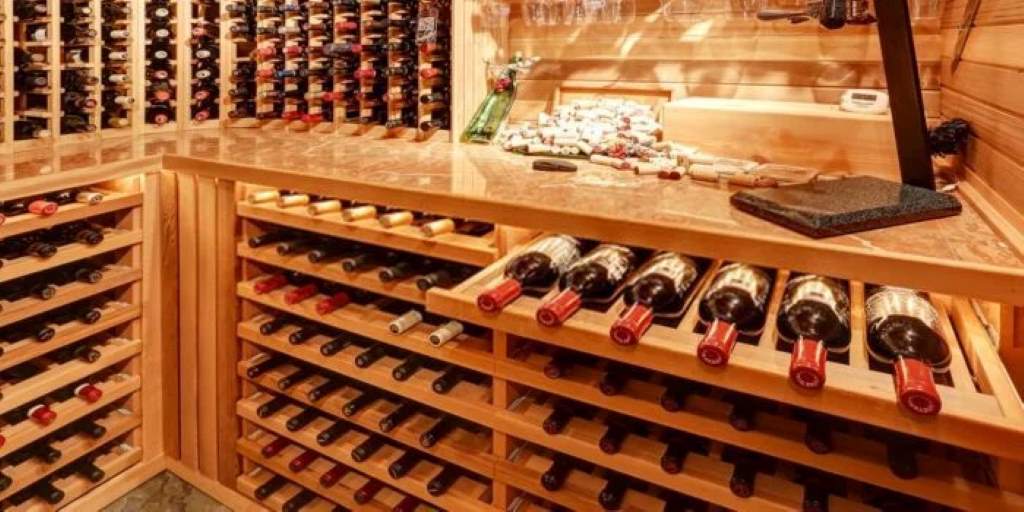
Alternatively, wine racks are budget-friendly for small collections. Choose sturdy racks that hold bottles horizontally to keep corks moist. I started with a simple wooden rack, which worked well until I upgraded to a cooler for better control. Research options from trusted brands to match your budget and collection size.
Storing Wine Bottles Horizontally vs. Vertically
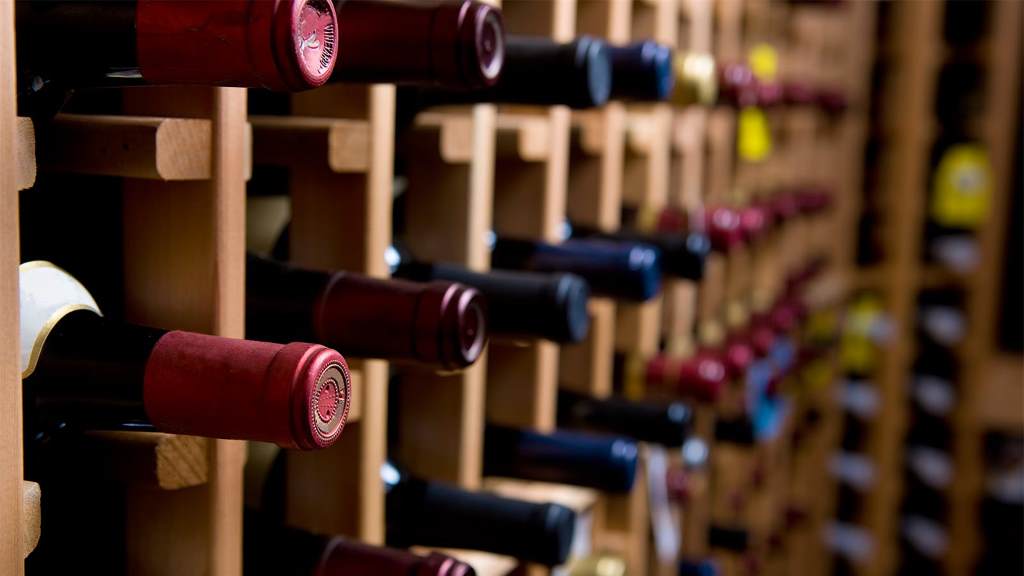
Storing wine horizontally is non-negotiable for bottles with corks. This position keeps the cork in contact with the wine, preventing it from drying out and letting air in. Screw-cap bottles are less sensitive, but horizontal storage maximizes space and stability.
Vertical storage is a common rookie mistake. I once stood a bottle upright for months, only to find the cork brittle and the wine oxidized. Use racks or coolers designed for horizontal placement. This simple habit ensures your wine stays fresh and flavorful for years.
Protecting Wine from Light and Vibration
Light and vibration are silent threats to wine quality. UV light from sunlight or fluorescent bulbs breaks down wine’s compounds, dulling its taste. Store bottles in dark spaces or use UV-protective glass in wine coolers.
Vibration, even subtle, disturbs wine’s sediment, disrupting aging. Keep bottles away from appliances or busy areas. My early storage near a staircase led to cloudy wine with off flavors. Therefore, prioritize a dark, still environment to store wine and safeguard its delicate profile.
Organizing Your Wine Collection Efficiently
An organized collection saves time and protects your wine. Group bottles by type (red, white, sparkling) or region for easy access. Label shelves or use inventory apps to track purchase dates and vintages.
For larger collections, consider a spreadsheet to log details like aging potential. I once misplaced a bottle meant for a special occasion, learning the value of organization the hard way. Efficient systems not only make retrieval easy but also help you store wine strategically for optimal aging.
Long-Term vs. Short-Term Wine Storage Tips
Short-term storage (weeks to months) requires less precision but still demands care. Keep bottles in a cool, dark place with stable conditions. Wine coolers or basements work well for temporary storage.
For long-term aging (years), invest in professional-grade coolers or cellar setups. Maintain strict temperature (55°F) and humidity (60-70%) control. My long-term bottles, stored in a dedicated cooler, developed rich flavors over time, proving the effort’s worth. Tailor your setup to your storage goals for the best results.
Conclusion: Master Wine Storage Like a Pro
Proper wine storage transforms your home into a haven for your collection. By controlling temperature, humidity, light, and vibration, you can store wine like a pro, ensuring every bottle reaches its full potential. Avoid common mistakes, choose the right equipment, and organize efficiently to protect your investment. Whether you’re storing for weeks or years, these tips guarantee quality and flavor. Start applying these strategies today to elevate your wine experience. Share your favorite storage tips in the comments or spread this guide to fellow wine lovers!
FAQs
Why is temperature important for wine storage?
Temperature affects wine aging. 50-59°F (10-15°C) is ideal to preserve flavor and prevent spoilage.
Can I store wine in my kitchen?
Avoid kitchens due to heat, light, and vibrations. Use a cool, dark basement or wine cooler.
How does humidity impact wine storage?
60-70% humidity keeps corks moist, preventing air entry and oxidation. Use a hygrometer to monitor.
Should wine bottles be stored horizontally?
Yes, horizontal storage keeps corks moist, ensuring an airtight seal and preventing spoilage.
What equipment is best for wine storage?
Wine coolers offer precise control. Budget-friendly racks work for small collections if conditions are stable.