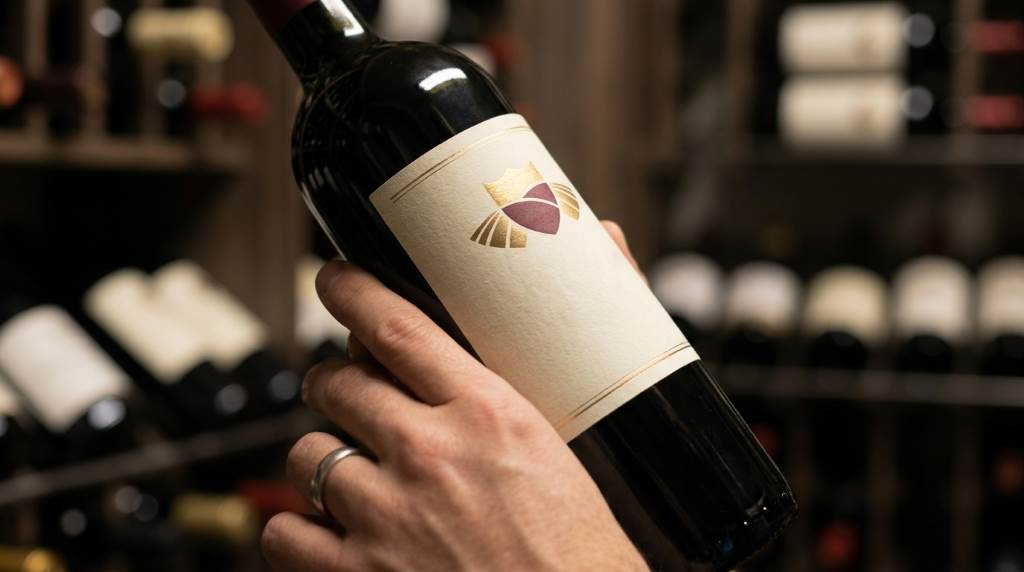
Finding a quality wine does not always require expert tasting skills or expensive recommendations. A carefully designed wine label often reveals valuable details before you ever open the bottle. According to industry reports, more than 70% of shoppers make buying decisions directly from packaging. Additionally, many consumers spend less than two minutes selecting wine, making label knowledge especially useful for confident purchases.
Understand the Most Important Details on a Wine Label
A wine label provides much more than an attractive design because every element serves a practical purpose. Instead of judging the bottle by artwork alone, focus on factual information that reflects production quality. You can also explore best wines from Napa Valley to compare how respected producers present essential labeling details.
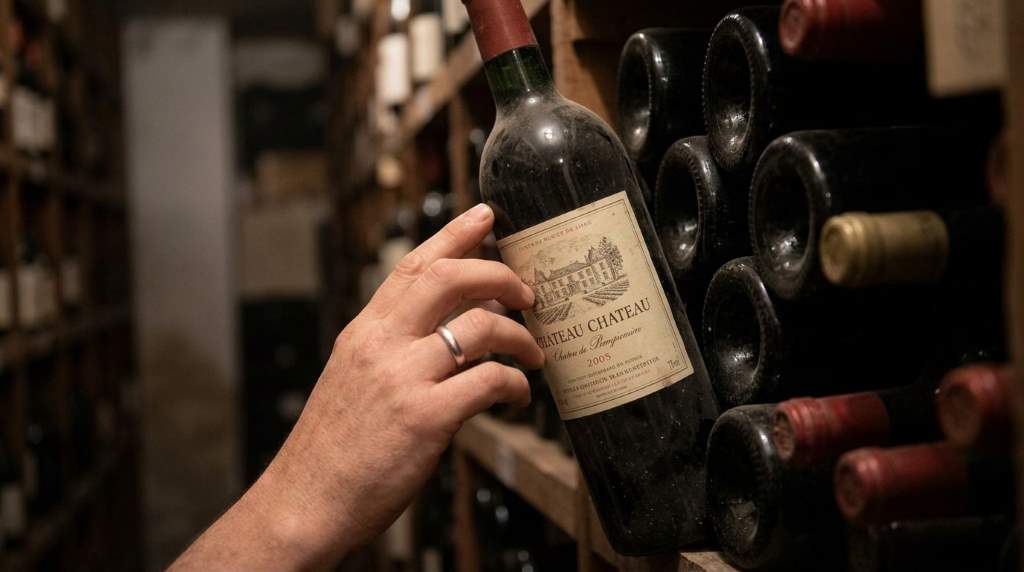
Look for the Producer Name
Reliable wineries proudly display their producer name because reputation matters in wine production. Established producers often follow consistent quality standards across multiple vintages. A recognizable winery usually offers greater confidence than bottles emphasizing flashy branding instead of craftsmanship.
Check the Region of Origin
The growing region significantly influences grape quality, flavor, and consistency throughout every vintage. Well known wine regions usually maintain stricter production regulations than generic locations. Detailed geographic information often signals transparency and greater attention to quality.
Read the Vintage Year Carefully
The vintage identifies when the grapes were harvested rather than when the wine entered the market. Weather conditions during that season can greatly affect the finished product. Comparing vintage reviews helps buyers understand overall growing conditions before purchasing.
Identify Signs of Authentic Quality
Professional wineries usually provide clear and honest labeling rather than relying on exaggerated marketing language. Good labels emphasize production facts instead of vague promises about exceptional taste. If you already enjoy wine at home, learning to open wine bottle without corkscrew can also improve your overall wine experience.
Look for Grape Variety
Many respected wines clearly identify the grape variety used in production. Popular examples include Cabernet Sauvignon, Pinot Noir, Chardonnay, and Sauvignon Blanc. Clear grape information allows buyers to match wines with personal taste preferences.
Notice Alcohol Percentage
Alcohol content often provides clues about the wine’s body and overall style. Higher percentages frequently indicate fuller bodied wines with richer flavors. Lower alcohol levels usually suggest lighter and fresher drinking experiences.
Watch for Estate Bottled Statements
Estate bottled wording often indicates that grapes were grown and processed by the same winery. This practice typically reflects greater control over quality throughout production. Although not mandatory, it remains a positive indicator for many buyers.
Recognize Trustworthy Certifications and Label Information
Official certifications provide additional confidence because they require wineries to meet specific production standards. Honest labels explain important details without unnecessary promotional language. Before planning meals or celebrations, reading guides about choose the best wine can also strengthen buying decisions.
Look for Geographic Certifications
Many wine producing regions protect their names through official certification systems. These programs verify that grapes originate from approved growing areas. Certified regions usually follow established production standards and quality regulations.
Check Sustainability Labels
Sustainable, organic, or biodynamic certifications often reflect responsible farming practices. Although certification alone never guarantees excellent taste, it demonstrates measurable production commitments. Many respected wineries voluntarily participate in these recognized programs.
Read the Back Label
The back label frequently contains valuable production details and serving recommendations. Honest wineries often explain vineyard practices, grape sources, and flavor expectations. Clear descriptions usually help buyers understand the wine before opening the bottle.
Avoid Common Mistakes When Reading Wine Labels
Many shoppers mistakenly assume expensive packaging always represents exceptional wine quality. Attractive artwork certainly grabs attention, yet factual information remains far more valuable. Reading labels objectively helps prevent disappointing purchases and unnecessary spending.
Do Not Judge by Bottle Shape
Different wine regions traditionally use different bottle shapes for historical reasons. Bottle design rarely indicates superior quality by itself. Production details always deserve greater attention than decorative appearance.
Ignore Marketing Buzzwords
Terms like premium, reserve, or luxury sometimes lack consistent legal definitions in many markets. Some respected wineries use them responsibly, while others simply attract attention. Supporting information matters much more than attractive wording.
Avoid Choosing Only by Price
Higher prices do not automatically guarantee better wine or improved enjoyment. Many affordable bottles receive excellent ratings from experienced reviewers every year. Smart shoppers evaluate labels before considering price alone.
Quick Checklist Before Buying Any Wine
Following a simple checklist improves consistency when selecting bottles for everyday enjoyment or special occasions. These habits become easier after several shopping trips. Eventually, label reading becomes a natural part of choosing quality wine.
- Check the producer name.
- Read the region of origin.
- Verify the vintage year.
- Identify the grape variety.
- Review alcohol percentage.
- Look for certifications.
- Read the back label carefully.
- Ignore flashy marketing language.
- Compare value instead of price.
- Research unfamiliar wineries afterward.
Can a Label Guarantee Excellent Wine?
No label can guarantee personal enjoyment because taste preferences differ among individual drinkers. However, labels provide valuable clues that greatly improve purchasing confidence. Combining label knowledge with trusted reviews creates smarter buying decisions over time.
Experienced wine enthusiasts often study labels before considering critic scores or online recommendations. This habit encourages independent evaluation while reducing reliance on advertising. Practice consistently because experience strengthens every future purchase.
Conclusion
Learning how to tell if a wine is good from the label helps every shopper make informed purchasing decisions with greater confidence. By examining producers, regions, vintages, certifications, and factual details, you can identify quality bottles before opening them. Start applying these practical techniques during your next wine purchase and build stronger wine knowledge with every selection.
Frequently Asked Questions
Can beginners identify good wine using only the label?
Yes, beginners can recognize several reliable quality indicators by carefully reading the label.
Does an older vintage always mean better wine?
No, the growing season matters more than the wine’s age alone.
Should I trust wines with award stickers?
Awards can help, but complete label information provides a better overall evaluation.
Is expensive wine always higher quality?
No, many affordable wines offer outstanding quality and excellent value.
Why is the wine region important?
The region influences grape quality, production standards, and the wine’s overall character.