
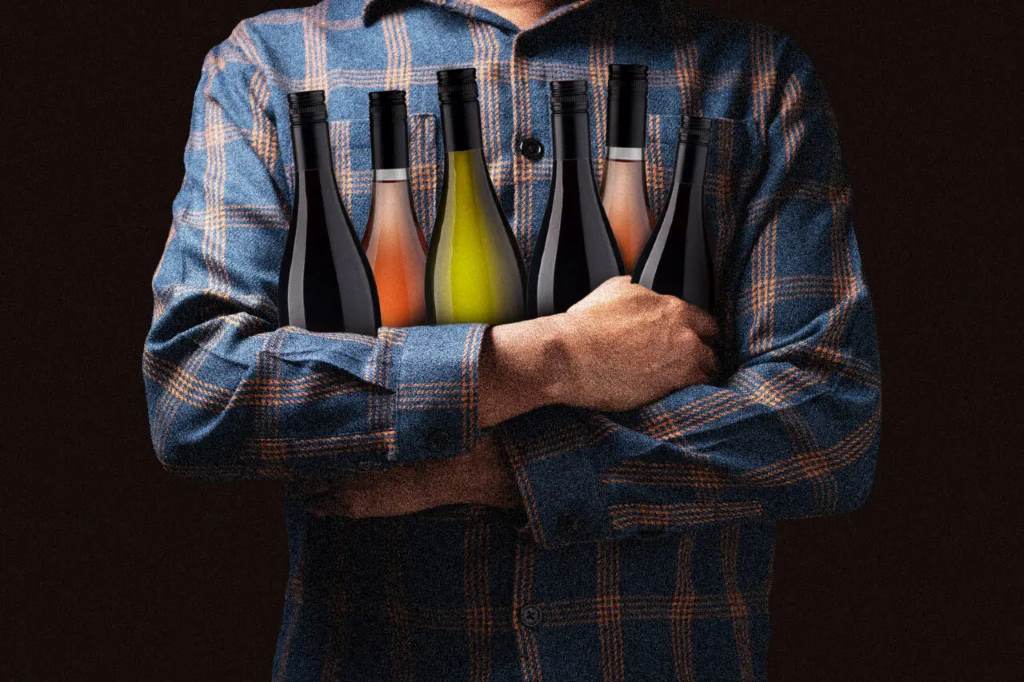
Millennials and Gen Z are shaking up the wine industry with their unique preferences and values. These generations, born between 1981-1996 and 1997-2012, prioritize sustainability, authenticity, and digital engagement, forcing wineries to rethink traditional approaches. From eco-friendly packaging to social media-driven marketing, younger consumers are redefining how wine is produced, sold, and enjoyed. This blog post explores their impact, offering insights into their buying habits, preferences, and the industry’s response. Whether you’re a wine enthusiast or a curious newcomer, discover how these generations are shaping the future of wine.
Millennials and Gen Z Shift Consumption Trends
Younger generations are transforming wine consumption patterns. Unlike Baby Boomers, who often viewed wine as a staple, Millennials and Gen Z see it as an occasional treat tied to experiences. According to a 2023 Silicon Valley Bank report, wine consumption among those aged 21-29 has dropped, with only 35% choosing alcohol, often favoring craft beers or seltzers instead. However, when they do choose wine, they seek quality and value, spending $10-$25 per bottle for everyday use.
This shift stems from economic realities like student debt and rising costs, making younger consumers price-conscious yet discerning. They prefer wines that align with their values, such as organic or biodynamic options, reflecting a broader trend toward health and sustainability. Their adventurous palates also drive demand for unique varietals from regions like Hungary or Lebanon, challenging the dominance of traditional wine regions.
The industry is adapting by offering affordable, high-quality wines and emphasizing storytelling. Wineries now highlight their sustainable practices to appeal to these ethically driven consumers, ensuring wine remains relevant in a competitive beverage market.
Digital Platforms Drive Wine Discovery
Millennials and Gen Z, as digital natives, discover wine through social media and e-commerce. Platforms like Instagram and TikTok shape their preferences, with 90% of 18-29-year-olds using social media for product discovery, per a 2024 Pew Research Center study. They trust peer reviews and influencer content over traditional critics, seeking engaging, authentic stories about winemakers or vineyards.
Wineries are responding with vibrant online presences, creating shareable content like virtual tastings or behind-the-scenes videos. For example, brands like Stella Rosa use TikTok trends to connect with younger audiences, boosting visibility. E-commerce has also surged, with direct-to-consumer sales reaching $3.7 billion in 2020, driven by convenience and variety. This digital shift allows wineries to bypass traditional channels, offering personalized recommendations via AI and blockchain for transparency.
As a wine enthusiast, I’ve noticed how Instagram reels showcasing vibrant labels or fun pairings spark curiosity among my peers. This digital-first approach makes wine approachable, encouraging younger consumers to explore and share their experiences online.
Sustainability Becomes a Core Expectation
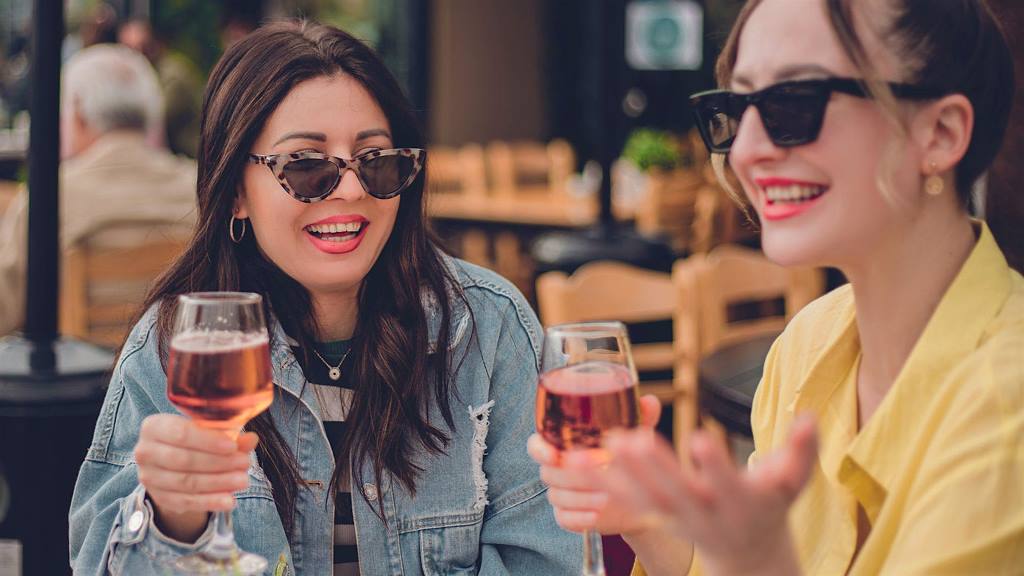
Sustainability is a non-negotiable for Millennials and Gen Z. These generations prioritize eco-friendly practices, with 73% of Gen Z citing sustainable packaging as a key purchase factor, according to a 2021 First Insight report. They favor organic, biodynamic, and vegan-certified wines, reflecting concerns about environmental impact and ethical production. Wineries like those in California’s Sustainable Winegrowing Alliance have adopted organic farming and carbon footprint reduction to meet these demands.
Additionally, younger consumers prefer alternative packaging like cans or boxes, which reduce waste compared to glass bottles. Brands like [yellow tail] have gained traction by offering affordable, eco-conscious options. This focus on sustainability extends to fair trade practices, ensuring workers are treated ethically. By aligning with these values, wineries build loyalty among younger buyers who see their purchases as a reflection of their principles.
This trend resonates personally. At a recent tasting, I chose a biodynamic wine after learning about its regenerative farming practices, feeling good about supporting a brand that prioritizes the planet.
Low-Alcohol and Health-Conscious Choices Gain Traction
Health and wellness are central to younger generations’ wine choices. Gen Z, in particular, embraces the “sober-curious” movement, with a third abstaining from alcohol entirely, per a 2023 Mintel study. Those who drink prefer low-alcohol wines (8-12% ABV) or dealcoholized options, which allow social enjoyment without heavy effects. Natural wines, with minimal additives, are also popular for their perceived purity.
Wineries are innovating to meet these preferences, offering wines with clean ingredients and transparent labeling. For instance, Stella Rosa’s low-alcohol, fruit-forward wines appeal to health-conscious Millennials. This shift challenges the industry to balance flavor with wellness, as younger consumers view wine as part of a balanced lifestyle. Brands that highlight probiotics or organic certifications gain an edge in this market.
I recall sharing a low-alcohol rosé with friends at a picnic, appreciating its light, refreshing taste. It felt inclusive, catering to both drinkers and those cutting back, reflecting the industry’s adaptation to health-focused trends.
Playful Branding and Inclusive Marketing Win Hearts
Traditional wine culture, with its complex terminology, often alienates younger consumers. Millennials and Gen Z prefer approachable, fun branding that feels inclusive. Brands like Whiny Baby, with vibrant labels and interactive elements like conversation starters, resonate by making wine less intimidating. Their success, including a 2024 VinePair nod as Gen Z’s favorite, shows the power of playful marketing.
Inclusivity is also key. Younger generations support diverse, women- or minority-owned wineries, valuing representation. Social media campaigns with relatable content, like Barefoot Wine’s quirky ads, build community and trust. These strategies replace wine snobbery with accessibility, encouraging exploration without judgment.
At a local wine festival, I saw Gen Z attendees flock to a booth with colorful cans and a friendly vibe, proving that engaging branding can draw in curious newcomers. This shift is vital for wineries aiming to capture younger markets.
Experiential Consumption Redefines Wine Culture
Millennials and Gen Z view wine as part of memorable experiences, not just a beverage. They seek vineyard tours, food pairings, or virtual tastings that create shareable moments. The 2023 Liberty Wines report notes a 19% drop in restaurant wine sales, as younger consumers prefer drinking at home or during special occasions, emphasizing connection over routine.
Wineries are responding with immersive experiences, like McLaren Vale’s food and wine events, which attract younger crowds. Social media amplifies these moments, as Millennials share photos of scenic vineyards or unique pairings. This experiential focus transforms wine into a lifestyle choice, aligning with younger generations’ desire for authenticity and connection.
My first vineyard tour was a game-changer. Tasting wines while learning about sustainable practices made the experience unforgettable, and I shared it online, sparking friends’ interest. This trend is pushing wineries to prioritize memorable, shareable moments.
Challenges and Opportunities for the Wine Industry
The wine industry faces challenges as Millennials and Gen Z drink less but demand more. Their preference for diverse beverages, like seltzers or cannabis, pressures wineries to innovate. The 2023 Silicon Valley Bank report highlights a 15% drop in U.S. wine consumption since 2021, urging brands to adapt or lose relevance. Competition from no- and low-alcohol options adds complexity.
However, opportunities abound. Wineries can leverage digital platforms, sustainable practices, and inclusive branding to connect with younger consumers. Offering affordable, high-quality wines with compelling stories can build loyalty. Programs like Enjoy Now Wines, launched in 2025, use young sommeliers to recommend approachable wines, bridging the gap between tradition and modernity.
The industry must act swiftly. By embracing these changes, wineries can tap into the growing influence of Millennials and Gen Z, ensuring a vibrant future for wine culture.
Conclusion: A New Era for Wine
Millennials and Gen Z are reshaping the wine industry with their focus on sustainability, health, and digital engagement. Their demand for authentic, value-driven experiences challenges wineries to innovate, from eco-friendly packaging to low-alcohol options and playful branding. By adapting to these preferences, the industry can thrive, turning younger consumers into lifelong wine lovers. The future of wine is vibrant, inclusive, and sustainable, reflecting the values of these dynamic generations. Share your thoughts or favorite wine experiences in the comments below, or spread the word by sharing this article!
FAQs
Why are Millennials and Gen Z drinking less wine?
They prioritize health and variety, often choosing seltzers or no-alcohol options, with only 35% of 21-29-year-olds drinking alcohol.
How do younger generations discover new wines?
They rely on social media platforms like Instagram and TikTok, trusting peer reviews and influencer content over traditional critics.
Why is sustainability important to Millennials and Gen Z?
They value eco-friendly practices, with 73% of Gen Z prioritizing sustainable packaging, influencing their wine choices.
What types of wines do younger consumers prefer?
They favor low-alcohol (8-12% ABV), organic, and fruit-forward wines that align with health and wellness trends.
How can wineries attract Millennials and Gen Z?
By using playful branding, digital marketing, and offering sustainable, affordable wines with authentic stories.