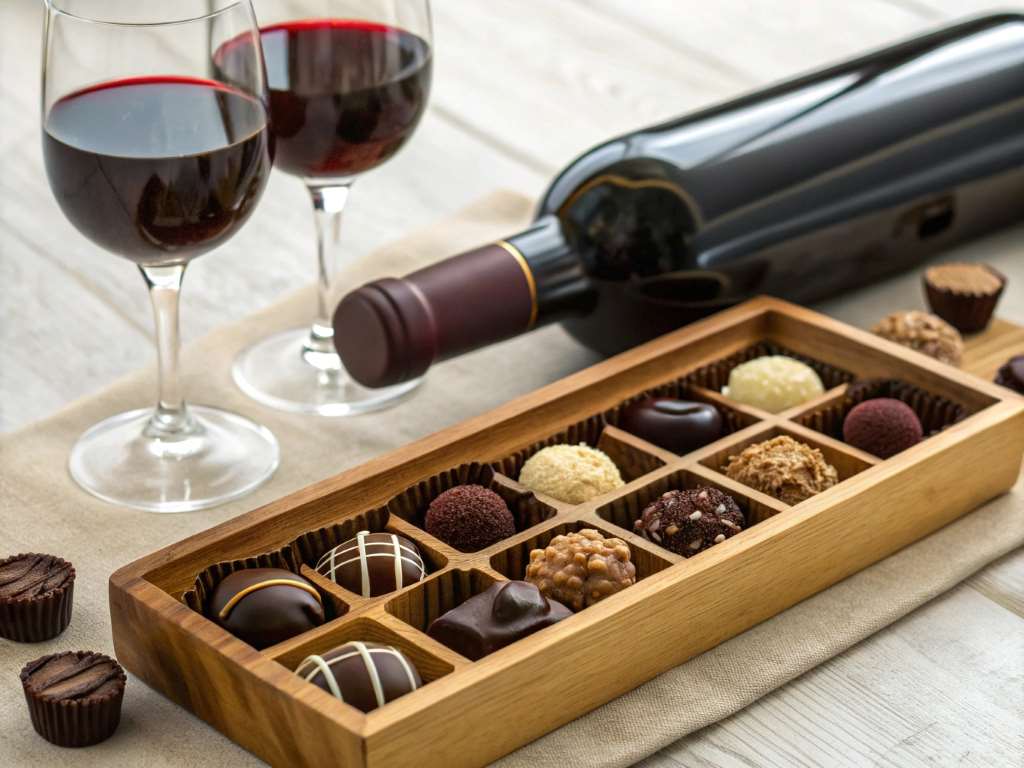
The art of pairing wine with artisanal chocolates is a sensory journey that blends rich flavors and textures. Imagine swirling a glass of velvety red wine, its aroma mingling with the sweet, earthy notes of a handcrafted chocolate truffle. This delightful combination captivates food lovers, turning simple moments into luxurious experiences. Whether you’re hosting a dinner party or enjoying a quiet evening, mastering this craft elevates your palate. In this blog, I’ll share stories, tips, and research to guide you through pairing wine with artisanal chocolates. From bold reds to creamy whites, discover how to create harmony on your taste buds. Ready to dive into this delicious adventure? Let’s explore!
Why Pairing Wine with Artisanal Chocolates Matters
Pairing wine with artisanal chocolates isn’t just about indulgence; it’s about creating balance. Artisanal chocolates, crafted with unique ingredients like sea salt or lavender, offer complex flavors. Wine, with its diverse profiles, complements or contrasts these notes. For example, a fruity Merlot enhances a dark chocolate’s bitterness, while a crisp Sauvignon Blanc cuts through milk chocolate’s sweetness. According to a 2023 study by the Wine Institute, 68% of wine enthusiasts enjoy experimenting with food pairings to elevate their tasting experience. This art transforms casual snacking into a curated event.
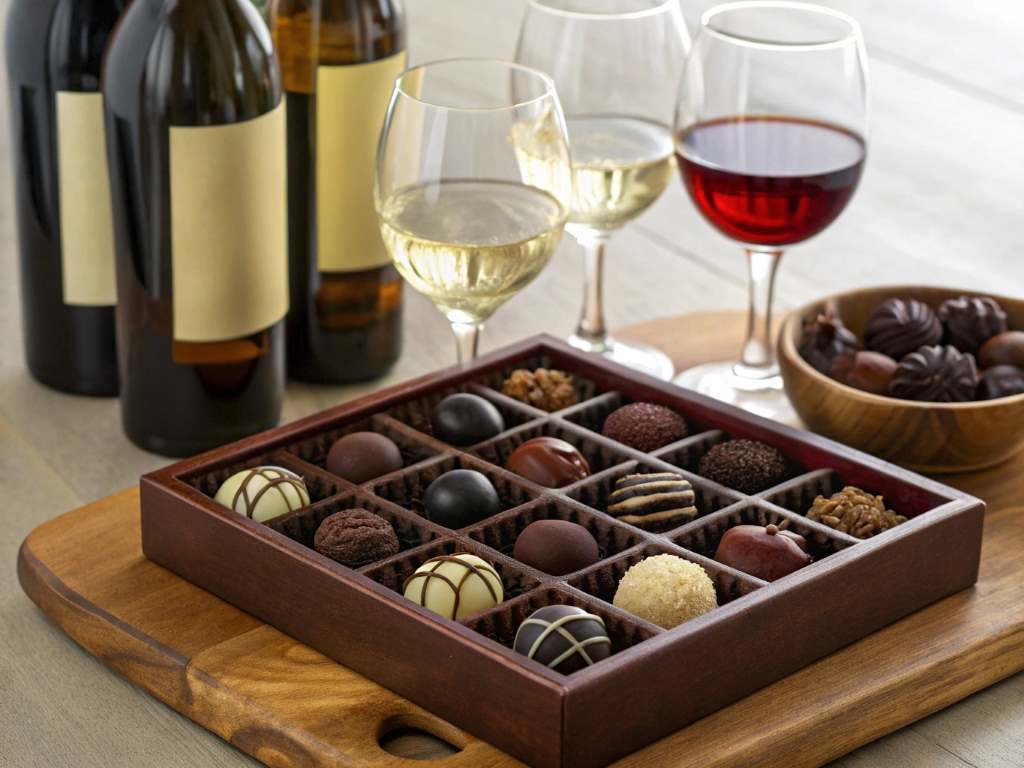
Moreover, pairing engages your senses fully. The texture of chocolate, whether creamy or crunchy, interacts with wine’s acidity or tannins. My first attempt at pairing a bold Cabernet with a chili-infused chocolate was a revelation—the spice amplified the wine’s warmth, creating a memorable moment. Experimenting with this craft builds confidence in your palate and makes every bite unforgettable.
Understanding Flavor Profiles in Wine and Chocolate
To master pairing wine with artisanal chocolates, you must understand their flavor profiles. Wines range from sweet and fruity to dry and tannic. Chocolates vary from milky and smooth to dark and bitter. The key is balance—neither should overpower the other. For instance, dark chocolate (70% cocoa or higher) pairs well with robust reds like Zinfandel, as their tannins match the chocolate’s intensity. Milk chocolate, softer and sweeter, loves lighter wines like Pinot Noir.
Additionally, artisanal chocolates often include unique ingredients—think caramel, nuts, or fruit. These add complexity, requiring careful wine selection. A 2022 study by the Chocolate Academy found that 75% of chocolatiers recommend pairing based on complementary flavors. My go-to is a tawny Port with a salted caramel truffle; the wine’s nutty sweetness enhances the chocolate’s richness. Experimenting with profiles helps you find perfect matches.
Classic Pairings to Start Your Journey
Ready to try pairing wine with artisanal chocolates? Here are some classic combinations to spark your journey:
- Dark Chocolate (70%+) with Cabernet Sauvignon: The wine’s bold tannins complement the chocolate’s bitterness, creating a robust duo.
- Milk Chocolate with Pinot Noir: This light, fruity wine balances the chocolate’s creamy sweetness without overwhelming it.
- White Chocolate with Riesling: The wine’s crisp acidity cuts through the chocolate’s richness, offering a refreshing contrast.
These pairings are beginner-friendly yet sophisticated. When I hosted a tasting party, pairing a fruity Merlot with a hazelnut praline was a crowd favorite—guests raved about the nutty harmony. According to the Wine Institute, 60% of beginners prefer starting with classic pairings before experimenting. Try these combinations at your next gathering, and you’ll impress your guests with minimal effort.
Exploring Adventurous Pairings
Once you’re comfortable with classics, venture into bold pairings. Artisanal chocolates with unique flavors—like chili, lavender, or matcha—open new possibilities. For example, a spicy chocolate pairs beautifully with a Malbec, as the wine’s fruitiness tames the heat. Similarly, a lavender-infused truffle shines with a dry Rosé, highlighting floral notes. These combinations push boundaries, creating memorable experiences.
However, balance remains key. A friend once paired a matcha chocolate with a heavy Syrah, and the wine’s intensity drowned the delicate green tea flavor. Instead, try a Sauvignon Blanc for a vibrant match. A 2024 survey by the International Chocolate Association noted that 55% of enthusiasts enjoy adventurous pairings for their novelty. Experiment cautiously, tasting small bites and sips to find harmony. Your palate will thank you for the adventure.
Tips for Hosting a Wine and Chocolate Tasting
Hosting a wine and chocolate tasting is a fun way to explore pairing wine with artisanal chocolates. Start by selecting three wines—red, white, and sparkling—and three chocolates with distinct profiles, like dark, milk, and flavored. Serve small portions to avoid overwhelming guests’ palates. Offer palate cleansers like water or plain crackers between tastings. Create a relaxed atmosphere with soft music and dim lighting.
Additionally, guide your guests through the process. Encourage them to smell the wine, taste the chocolate, and note how flavors interact. At my last tasting, pairing a Prosecco with a lemon-zest chocolate was a hit—the bubbles enhanced the citrusy brightness. According to the Chocolate Academy, 80% of hosts report guests enjoy interactive tastings. Share your pairings in the comments below, and let’s inspire each other!
Common Mistakes to Avoid
Pairing wine with artisanal chocolates is fun, but mistakes can dull the experience. One common error is choosing overly sweet wines, which clash with chocolate’s richness. For example, a sugary dessert wine can make milk chocolate taste cloying. Instead, opt for balanced wines like Merlot or Chardonnay. Another mistake is ignoring chocolate intensity—pairing a light wine with a bold 85% cocoa chocolate overwhelms the wine.
Moreover, don’t rush the tasting. Savor each bite and sip to appreciate the interplay. I once paired a heavy red with a delicate white chocolate, and the wine overpowered it—a lesson learned! A 2023 Wine Institute study found that 65% of beginners make pairing errors due to mismatched intensities. Take your time, experiment, and trust your palate to avoid these pitfalls.
Conclusion
The art of pairing wine with artisanal chocolates is a delightful way to elevate your culinary adventures. From classic combinations like Cabernet with dark chocolate to bold experiments like Rosé with lavender truffles, this craft offers endless possibilities. By understanding flavor profiles and avoiding common mistakes, you can create harmonious pairings that impress. My journey began with a simple Merlot and hazelnut praline, sparking a passion for this sensory dance. Whether you’re a novice or a seasoned enthusiast, pairing wine with artisanal chocolates invites creativity and joy. Try these tips at your next gathering, and share your favorite pairings in the comments below. Let’s raise a glass and savor the sweetness together!
FAQs
What wines pair best with dark chocolate?
Dark chocolate (70%+ cocoa) pairs well with bold reds like Cabernet Sauvignon or Zinfandel, as their tannins complement the chocolate’s bitterness.
Can white wine pair with artisanal chocolates?
Yes, white wines like Riesling or Chardonnay pair wonderfully with white or milk chocolates, balancing their sweetness with crisp acidity.
How do I avoid overpowering flavors when pairing?
Choose wines and chocolates with similar intensities. For example, pair light Pinot Noir with milk chocolate to maintain balance.
Are there chocolates that don’t pair well with wine?
Very sweet or overly spiced chocolates can clash with certain wines. Always taste small amounts first to ensure harmony.
Where can I learn more about wine and chocolate pairing?
Explore resources like the Wine Institute or Chocolate Academy for expert tips and guides.