

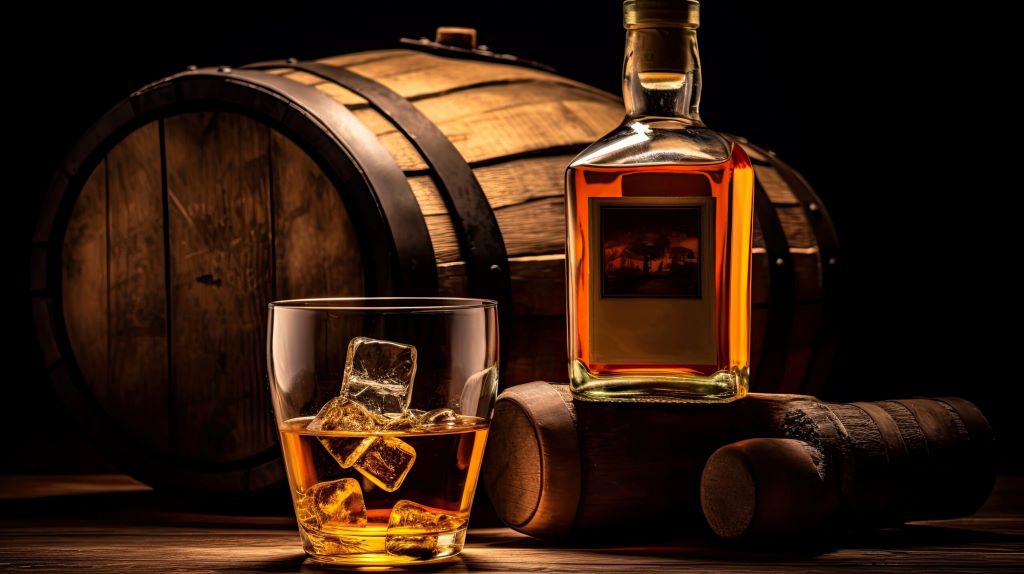
The amber liquid swirls in the glass, releasing aromas of dried figs, Christmas spices, and rich mahogany. This is the magic of sherry barrels working their alchemy on aged whiskey. For centuries, master distillers have understood that sherry barrels don’t just store whiskey—they transform it into something extraordinary. These Spanish oak vessels, previously home to fortified wine, impart layers of complexity that standard barrels simply cannot achieve. However, the process involves much more than simply transferring spirits from one container to another. The interaction between wood, residual sherry, and whiskey creates a symphony of flavors that captivates enthusiasts worldwide. Additionally, understanding how these barrels work helps appreciate why sherry-aged whiskeys command premium prices and devoted followings.
The Ancient Art of Sherry Barrel Seasoning
Spanish cooperages have perfected the art of creating sherry barrels for over 500 years. These craftsmen understand that excellent barrels begin long before any whiskey touches the wood. The process starts with selecting premium European oak, typically from forests in northern Spain where slower growth creates tighter grain patterns.
The seasoning process takes patience and expertise. Sherry casks now come at a premium price, spawning an industry of companies who make seasoned sherry-soaked casks specifically for use in the finishing process. Traditional cooperages air-dry the oak staves for two to three years, allowing rain and sun to leach out harsh tannins naturally. This weathering creates the foundation for flavor development.
Additionally, the sherry seasoning itself requires careful attention to detail. Different sherry types—Oloroso, Pedro Ximénez, Amontillado—each contribute unique characteristics. The residual wine soaks deep into the oak fibers, creating flavor reservoirs that will slowly release over years of whiskey aging. Therefore, the choice of sherry type directly influences the final whiskey profile.
Understanding Different Types of Sherry Casks
Not all sherry barrels offer the same flavor contributions to aged whiskeys. Each type brings distinct characteristics based on the original sherry style and aging duration. Understanding these differences helps appreciate why certain whiskeys develop specific flavor profiles.
Oloroso Casks: These deliver rich, nutty flavors with subtle oxidative notes. The dry sherry leaves behind compounds that create leather, tobacco, and dark chocolate notes in whiskey. However, the influence remains elegant rather than overwhelming, allowing the whiskey’s original character to shine through.
Pedro Ximénez (PX) Casks: Known for intense sweetness and dried fruit character. These barrels previously held extremely sweet dessert sherry, resulting in whiskeys with fig, raisin, and molasses notes. Additionally, PX casks often contribute a silky mouthfeel that transforms the whiskey’s texture.
Amontillado Casks: Offering a balanced approach between dry and sweet influences. These provide subtle fruit notes alongside mineral complexity. Therefore, whiskeys aged in Amontillado casks often display remarkable balance and sophistication.
Fino Casks: The lightest influence among sherry types, contributing delicate floral and citrus notes. These barrels work excellently for finishing processes where subtle enhancement is desired rather than dramatic transformation.
The Science Behind Flavor Transformation
The interaction between whiskey and sherry-seasoned oak involves complex chemical processes that continue for years or even decades. Understanding this science helps appreciate why sherry barrels produce such remarkable results in aged whiskeys.
Lignin compounds in oak break down slowly, releasing vanillin and other aromatic compounds. However, the presence of residual sherry accelerates certain reactions while inhibiting others. A sherry-aged whisky might greet you with dried fruits, Christmas spices, and rich nutty notes. This happens because sherry’s acidity and sugar content create unique extraction patterns.
The porosity of oak allows for micro-oxygenation, a process where tiny amounts of oxygen slowly interact with the whiskey. Additionally, seasonal temperature changes cause the wood to expand and contract, driving whiskey deeper into the grain structure. This breathing effect intensifies flavor extraction and creates the complex layering found in premium aged whiskeys.
Furthermore, esterification reactions between acids and alcohols create new flavor compounds over time. Therefore, longer aging periods in sherry barrels don’t just concentrate existing flavors—they actually create entirely new ones through chemical transformation.
Essential Flavor Profiles from Sherry Barrel Aging
Sherry barrels contribute a distinctive flavor palette that makes these whiskeys instantly recognizable to experienced tasters. The complexity develops in layers, with different notes emerging at various stages of the tasting experience.
Primary Fruit Notes: Dried figs, raisins, dates, and orange peel dominate many sherry-cask whiskeys. These flavors come directly from residual sherry compounds absorbed into the oak. However, the intensity varies significantly based on barrel history and aging duration.
Spice Complexity: Cinnamon, nutmeg, cloves, and allspice create warming sensations that complement the fruit character. Additionally, some barrels contribute peppery notes that add excitement to the flavor profile. These spice elements often intensify with longer aging periods.
Rich Textural Elements: Leather, tobacco, dark chocolate, and coffee notes provide depth and sophistication. The oak from the cask gives it a hint of spice and a characteristic dryness. Some sherry cask whisky can also have dark chocolate, coffee, and even leather notes. Therefore, these elements create the backbone that supports the brighter fruit and spice notes.
Finish Characteristics: Sherry-aged whiskeys typically deliver long, warming finishes with evolving complexity. The interaction between wood tannins and sherry residue creates a drying effect that balances the initial sweetness.
Premium Distilleries Using Sherry Barrel Techniques
Leading whiskey producers worldwide have embraced sherry barrel aging to create distinctive premium expressions. These distilleries demonstrate various approaches to maximizing the benefits of Spanish oak vessels.
Scottish Single Malt Producers: Macallan, Glenfarclas, and GlenDronach have built reputations on exceptional sherry cask expressions. These distilleries often age their whiskeys entirely in sherry barrels, creating profound complexity. However, each maintains distinct house styles through careful barrel selection and blending expertise.
American Bourbon Innovators: Distilleries like Limestone Branch experiment with sherry finishing techniques to create unique flavor profiles. Additionally, craft distilleries across America are adopting European oak sherry barrels to differentiate their products in competitive markets.
Irish Whiskey Renaissance: Jameson and other Irish producers use sherry casks to add complexity to their traditionally smooth spirits. Therefore, these expressions bridge traditional Irish character with Spanish influence, creating approachable yet sophisticated whiskeys.
Japanese Precision: Japanese distilleries apply meticulous attention to sherry barrel selection and management. Their approach often involves shorter finishing periods that add subtle complexity without overwhelming the delicate base spirit character.
Common Mistakes in Sherry Barrel Selection
Many distilleries and collectors make costly errors when working with sherry barrels for whiskey aging. Understanding these pitfalls helps ensure successful outcomes and prevents disappointing results.
Key Selection Mistakes:
- Rushing the Process: Using insufficiently seasoned barrels produces harsh, unbalanced flavors
- Ignoring Barrel History: Not understanding previous contents leads to unexpected flavor interactions
- Over-Aging: Extended aging in active sherry casks can overwhelm whiskey character
- Poor Storage: Improper barrel storage destroys flavor potential before use
- Mixing Barrel Types: Combining incompatible sherry cask styles creates muddled profiles
Quality Assessment Errors: Many buyers focus solely on price rather than barrel provenance and condition. Additionally, failing to inspect barrel integrity leads to oxidation problems that ruin aging potential. Therefore, working with reputable cooperages and understanding barrel history is essential.
Timing Mistakes: Using sherry barrels too early in the aging process prevents proper base character development. However, waiting too long can mean the barrel has lost its prime influence period. The optimal timing requires experience and careful monitoring.
Investment Potential of Sherry Cask Whiskeys
The market for sherry-aged whiskeys has shown remarkable growth, making these expressions attractive to both enthusiasts and investors. Understanding market dynamics helps predict future value appreciation potential.
Recent auction results demonstrate strong demand for premium sherry cask expressions. Bottles that originally retailed for $100-200 now command $500-1,000 at auction. However, not all sherry-aged whiskeys appreciate equally, making selection crucial for investment success.
Factors Driving Value:
- Distillery Reputation: Established names with sherry expertise show strongest appreciation
- Age Statements: Longer aging periods generally correlate with higher values
- Barrel Type: PX and Oloroso casks typically outperform other sherry types
- Limited Releases: Special editions and discontinued expressions show premium pricing
- Provenance: Documented history and proper storage significantly impact value
Additionally, the scarcity of quality sherry barrels continues driving prices higher. Therefore, whiskeys aged in authentic Spanish oak vessels become increasingly valuable as supply constraints tighten.
Statistical Analysis of Market Performance
Research from whiskey auction houses shows sherry cask expressions outperforming standard bourbon barrel whiskeys by 40-60% over five-year periods. This performance reflects growing consumer appreciation for complexity and craftsmanship in aged spirits.
Proper Storage and Serving of Sherry Aged Whiskeys
Maximizing enjoyment of sherry barrel whiskeys requires understanding proper storage and serving techniques. These spirits deserve careful handling to preserve their complex character and investment value.
Optimal Storage Conditions: Keep bottles upright in cool, dark locations with stable temperatures between 60-65°F. Additionally, avoid temperature fluctuations that can damage cork integrity and allow oxidation. Therefore, wine refrigerators or dedicated spirit storage often works better than standard home storage.
Serving Recommendations: Serve sherry-aged whiskeys at slightly cooler temperatures than bourbon—around 60-65°F brings out optimal complexity. However, avoid over-chilling, which mutes the intricate flavor development. Use appropriate glassware that concentrates aromas while allowing proper aeration.
Optimal Glassware Choices:
- Glencairn glasses for focused aroma concentration
- Copita glasses traditional for sherry and sherry-aged spirits
- Tulip-shaped snifters for special occasions and contemplative tasting
- Avoid wide-mouth glasses that dissipate delicate aromatics too quickly
Tasting Sequence: Start with lighter sherry influences and progress to richer PX expressions. This progression prevents palate fatigue and allows appreciation of subtle differences between expressions.
Food Pairing Adventures with Sherry Cask Whiskeys
The complex flavor profiles of sherry-aged whiskeys create exceptional pairing opportunities with various cuisines and desserts. Understanding complementary flavors enhances both the whiskey and food experience.
Chocolate Pairings: Dark chocolate with 70-85% cacao content harmonizes beautifully with PX-aged whiskeys. The bitter chocolate notes complement the sweet dried fruit character while the fat content smooths any harsh edges. However, milk chocolate works better with lighter Fino-finished expressions.
Cheese Selections: Aged Manchego, Cabrales, and other Spanish cheeses create natural partnerships with sherry cask whiskeys. Additionally, aged Parmesan and Gouda offer nutty flavors that echo the barrel influence. Therefore, cheese boards featuring these selections enhance appreciation of both elements.
Dessert Combinations: Bread pudding, crème brûlée, and fruit tarts complement the dessert-like qualities of heavily sherried expressions. Furthermore, the caramelized sugar notes in these desserts mirror flavor compounds extracted from charred barrel surfaces.
Savory Applications: Grilled lamb, roasted duck, and game meats pair excellently with the rich, complex character of sherry-aged whiskeys. The meat’s fat content balances the alcohol while complementing the deep, savory notes from extended oak aging.
Future Trends in Sherry Barrel Innovation
The whiskey industry continues evolving its approach to sherry barrel aging, with innovative techniques emerging from both traditional and craft distilleries. These developments promise exciting new expressions for enthusiasts.
Hybrid Aging Techniques: Distilleries increasingly experiment with combination aging—starting in traditional American oak before finishing in sherry casks. This approach builds foundational vanilla and caramel notes before adding sherry complexity. Additionally, some producers use multiple sherry cask types sequentially to layer different flavor elements.
Climate-Controlled Aging: Advanced warehouse management systems allow precise control over aging conditions. Therefore, distilleries can accelerate or slow extraction rates to achieve specific flavor targets more consistently than traditional methods allowed.
Cask Finishing Innovation: Shorter finishing periods in highly active barrels create subtle complexity without overwhelming base character. However, this technique requires exceptional skill to achieve optimal results. Some distilleries now use computer modeling to predict optimal finishing durations.
Sustainability Initiatives: Environmental concerns drive innovation in barrel reuse and reconditioning techniques. Additionally, some cooperages develop sustainable sourcing practices for Spanish oak while maintaining quality standards essential for premium whiskey production.
Conclusion
Sherry barrels represent the pinnacle of whiskey aging artistry, transforming ordinary spirits into extraordinary expressions that captivate the senses. The journey from Spanish oak forests to your glass involves centuries of tradition, scientific precision, and passionate craftsmanship. However, the true magic happens in the interaction between wood, residual sherry, and time—creating flavors that no other aging method can replicate.
Whether you’re a seasoned collector or curious newcomer, sherry barrels offer endless discovery opportunities. Additionally, the investment potential and growing appreciation make these expressions particularly attractive in today’s market. Therefore, exploring sherry-aged whiskeys provides both immediate enjoyment and long-term satisfaction.
The future of sherry barrel aging looks brighter than ever, with innovative techniques expanding possibilities while honoring traditional methods. As supply constraints continue and demand grows, these remarkable whiskeys will likely become even more precious and sought after.
What’s your experience with sherry-aged whiskeys? Share your favorite expressions and tasting notes in the comments below. Don’t forget to share this guide with fellow whiskey enthusiasts who appreciate the finer aspects of barrel aging!
Frequently Asked Questions
What makes sherry barrels different from regular whiskey barrels?
Sherry barrels previously held Spanish fortified wine, leaving residual flavors and compounds in the wood. These elements interact with aging whiskey to create distinctive dried fruit, spice, and nutty characteristics impossible to achieve with virgin oak barrels.
How long should whiskey age in sherry barrels for optimal flavor?
Optimal aging varies by whiskey style and barrel activity level. Most expressions benefit from 8-25 years, with finishing periods ranging from 6 months to 3 years. However, some premium expressions age entirely in sherry casks for decades.
Are sherry barrel whiskeys worth the premium price?
Quality sherry-aged whiskeys justify premium pricing through complexity, craftsmanship, and scarcity factors. The authentic barrels cost significantly more than standard cooperage, and the aging process requires expertise and patience that adds value.
Can you taste the difference between different sherry cask types?
Yes, experienced tasters easily distinguish between Oloroso, PX, Amontillado, and Fino cask influences. Each sherry type contributes distinct flavor profiles, from PX’s intense sweetness to Fino’s delicate floral notes.
How should I store opened bottles of sherry cask whiskey?
Store opened bottles upright in cool, dark locations away from temperature fluctuations. Use the whiskey within 1-2 years of opening for optimal flavor preservation, as the complex aromatics can dissipate over time.
Read More:
Traditional Wine Drinking Vessels Around the World
Wine in Ancient Religious Ceremonies: A Sacred Sip Through History