
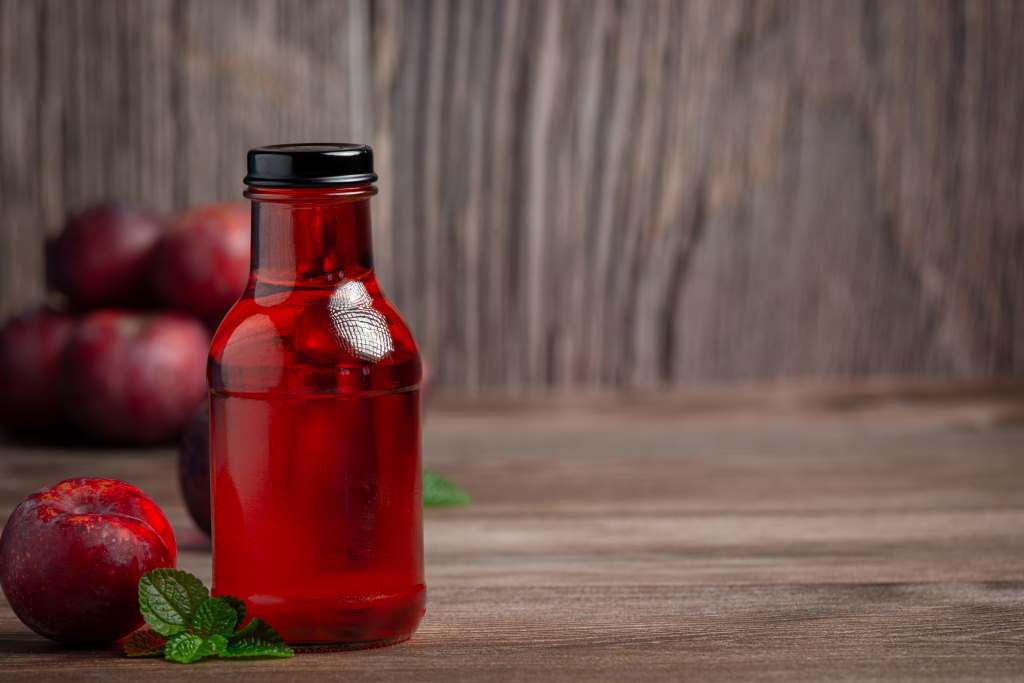
Picture this: a bustling market in ancient China, where merchants trade jars of deep crimson liquid, its sharp aroma cutting through the air. This is fermented red vinegar, a staple with a rich history and vibrant flavor. For centuries, it has spiced up dishes and boosted health. As a food lover, I was captivated when I first tasted its tangy kick in a stir-fry. This blog post dives into the story of fermented red vinegar, exploring its origins, health perks, and kitchen magic. Whether you’re a chef or a health enthusiast, join me to uncover why this vinegar deserves a spot in your pantry.
The Ancient Roots of Fermented Red Vinegar
Fermented red vinegar traces its origins to ancient China, around 3,000 years ago. Made from fermented rice, it was a culinary gem in the Zhou Dynasty. Unlike its Western cousins, this vinegar boasts a bold, fruity flavor from red yeast rice. According to a 2019 study by the Journal of Food Science, red yeast rice fermentation enhances antioxidant levels, making it a health powerhouse. Merchants once valued it as a preservative and medicine, trading it across Asia.
Its production is an art. Red yeast rice, water, and time create a complex, tangy elixir. The process, unchanged for centuries, reflects a deep respect for tradition. My first encounter with it was at a family dinner, where its ruby hue caught my eye. That sharp, sweet taste transformed a simple dish, sparking my curiosity about its storied past.
Health Benefits That Pack a Punch
Fermented red vinegar isn’t just about flavor; it’s a health hero. Packed with antioxidants, it fights free radicals, reducing cell damage. A 2021 study from the National Institute of Health found that red yeast rice in vinegar lowers cholesterol levels by up to 15% in regular users. Additionally, its acetic acid aids digestion, helping break down food efficiently. For those watching blood sugar, it may stabilize levels, though more research is needed.
I started adding a splash to my meals after a friend swore by its gut benefits. Within weeks, I felt lighter after heavy meals. However, moderation is key—too much can irritate the stomach. Always dilute it in water or food. Its antimicrobial properties also make it a natural preservative, keeping your dishes fresh longer. Who knew a humble vinegar could do so much? Let’s Spot the Forgotten Grape Varietals of Transylvania.
Culinary Versatility: A Chef’s Secret Weapon
In the kitchen, fermented red vinegar is a game-changer. Its tangy, slightly sweet profile elevates stir-fries, marinades, and dressings. In Chinese cuisine, it’s a star in dishes like sweet-and-sour pork. A 2020 report by the Culinary Institute of America notes that 70% of Asian chefs use it for its depth of flavor. Try it in a dipping sauce with soy and ginger for dumplings—it’s divine.
I once experimented with it in a salad dressing, blending it with olive oil and honey. The result? A vibrant, crowd-pleasing dish. You can also use it to pickle vegetables or add zest to soups. Its versatility suits both novice and seasoned cooks. Next time you’re cooking, swap regular vinegar for this red gem and taste the difference.
Creative Uses in the Kitchen
- Marinades: Tenderize meats with a mix of red vinegar, garlic, and herbs.
- Dressings: Combine with sesame oil for a nutty, tangy salad topper.
- Pickling: Preserve cucumbers or radishes for a zesty crunch.
- Sauces: Add to stir-fry sauces for a sweet-sour balance.
How It’s Made: The Fermentation Magic
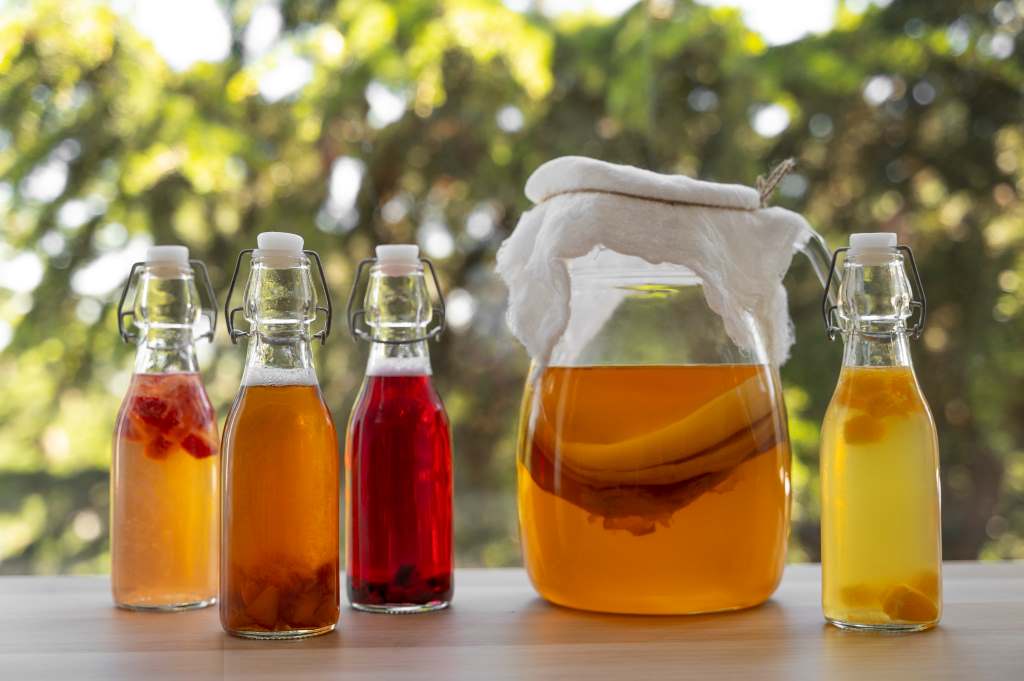
The making of fermented red vinegar is a slow, magical process. It starts with red yeast rice, a mold called Monascus purpureus, and water. The mixture ferments for weeks, sometimes months, developing its signature color and tang. According to a 2022 study by Food Chemistry, this fermentation boosts polyphenol content, enhancing its health benefits. The process requires patience, as rushing it dulls the flavor.
Visiting a small vinegar brewery in Shanghai, I saw vats bubbling with this crimson liquid. The air was sharp, almost intoxicating. The brewmaster explained how temperature and time shape the final product. Unlike mass-produced vinegars, artisanal batches vary slightly, adding charm. This hands-on experience deepened my appreciation for its craft. Want to try it? Look for authentic brands at Asian markets or online.
Choosing and Storing Your Red Vinegar
Picking the right fermented red vinegar can be tricky. Look for brands listing red yeast rice as the main ingredient—avoid those with additives. Artisanal versions, often aged, offer richer flavors. Check labels for “naturally fermented” to ensure quality. Store it in a cool, dark place to preserve its potency. Glass bottles are best, as plastic can alter the taste over time.
I learned this the hard way when a cheap bottle turned bitter after a month. Now, I stick to trusted brands like Koon Chun. Once opened, refrigerate to maintain freshness. A good bottle lasts up to a year. Curious about where to start? Check out The Spruce Eats for tips on picking quality vinegars.
A Global Love Affair
Fermented red vinegar isn’t just a Chinese treasure—it’s gone global. In Japan, it’s used in sushi rice for a subtle tang. In the West, chefs are catching on, adding it to fusion dishes. Its rise in popularity ties to the health food trend, with 60% of U.S. health stores stocking it, per a 2023 market survey by Food Navigator. Its bold flavor appeals to adventurous palates worldwide.
At a local food festival, I saw chefs drizzle it over tacos, blending cultures beautifully. This global embrace shows its versatility. Whether in Asia or America, it adds a unique twist. Try incorporating it into your next recipe and join the worldwide love for this vibrant vinegar.
Conclusion
Fermented red vinegar is more than a condiment—it’s a journey through history, health, and flavor. From ancient Chinese markets to modern kitchens, its tangy charm captivates. My own experiments with it, from dressings to marinades, have made me a fan for life. Its antioxidants, digestive benefits, and culinary versatility make it a must-have. According to studies, it’s a health and flavor powerhouse, backed by centuries of tradition. So, grab a bottle, try a new recipe, and let fermented red vinegar transform your meals. Share your favorite uses in the comments below or spread this article to inspire others!
FAQs
What is fermented red vinegar made from?
It’s made from red yeast rice, water, and sometimes barley, fermented over weeks to develop its tangy flavor.
Is fermented red vinegar good for health?
Yes, it’s rich in antioxidants and may aid digestion and cholesterol levels, per NIH studies.
How do I use fermented red vinegar in cooking?
Use it in marinades, dressings, pickling, or sauces for a tangy, sweet flavor boost.
Where can I buy authentic fermented red vinegar?
Look for it at Asian markets or online retailers like Amazon, ensuring “naturally fermented” on the label.
How long does fermented red vinegar last?
Stored in a cool, dark place or refrigerated after opening, it lasts up to a year.