
Imagine uncorking a bottle of Pinot Noir, its aroma filling the room with notes of cherry and spice, only to find the taste falls flat. I learned this lesson the hard way when my first wine collection suffered from improper storage. The culprit? Temperature mishaps in my wine fridge. Proper wine fridge storage temperature is the key to preserving your wine’s soul—its flavor, aroma, and character. Whether you’re a casual sipper or a dedicated collector, understanding how to set the right temperature in your wine cooler ensures every glass is a delight. In this guide, I’ll take you through the essentials of wine storage temperature, sharing tips, insights, and a touch of my own journey to fascinate and educate you. Let’s dive into the world of wine fridges and unlock the secrets to perfect storage.
Why Wine Fridge Storage Temperature Matters
Temperature is the heartbeat of wine storage. Too warm, and your red wine might age prematurely, losing its vibrant fruit notes. Too cold, and your white wine could lose its delicate aromas. A wine fridge maintains a stable environment, shielding your bottles from temperature swings that can ruin a wine’s character. For instance, a study by Fondazione Edmund Mach found that temperature fluctuations above 10°F can accelerate chemical reactions, degrading wine quality over time.
When I started collecting wines, I stored them in a regular refrigerator, thinking it was sufficient. The overly cold temperature dulled the flavors of my Cabernet Sauvignon. A wine fridge, with its precise temperature control panel, offers a cellar-like environment, protecting your wine bottles from UV rays and humidity issues. By maintaining the right storage temperature, you ensure your wines age gracefully, preserving their essence for years.
Ideal Wine Storage Temperature for Different Wines
Every wine type has its sweet spot for storage. Red wine, like Pinot Noir or Cabernet Sauvignon, thrives at 55–65°F, allowing tannins to soften gradually. White wine and rosé prefer a cooler 45–55°F to maintain crispness. Sparkling wines, including Champagne, demand 40–50°F to preserve their bubbles. These ranges mimic the stable conditions of traditional wine cellars, ensuring proper aging.
For my dual-zone wine refrigerator, I set one zone at 55°F for reds and another at 50°F for whites. This setup caters to the unique needs of each wine type. Single-zone refrigerators work well for collectors focusing on one type, but dual-zone wine coolers offer flexibility. Always check your wine fridge temperature with a wine thermometer to avoid surprises. Consistent storage temperatures prevent temperature fluctuations that could harm your wine collection.
Temperature Chart for Wine Storage
| Wine Type | Ideal Storage Temperature (°F) | Notes |
|---|---|---|
| Red Wine | 55–65 | Softens tannins, enhances flavors |
| White Wine | 45–55 | Preserves crispness, aromas |
| Sparkling Wine | 40–50 | Maintains bubbles, freshness |
| Rosé Wine | 45–55 | Balances fruitiness, acidity |
| Dessert/Fortified | 50–60 | Protects sweetness, complexity |
Common Mistakes in Wine Fridge Temperature Settings
Setting the wrong temperature is a rookie mistake I made early on. I once cranked my wine cooler to 35°F, thinking colder was better, only to dull my sparkling wine’s effervescence. Another error is ignoring humidity control. Low humidity can dry out corks, letting air seep into bottles, while high humidity risks mold. Aim for a humidity level of 50–70% in your wine fridge.
Additionally, placing your wine refrigerator in a garage or near a heat source invites temperature swings. I learned this when my wine cooler struggled to maintain stability during a hot summer. Avoid these pitfalls by using digital temperature controls and checking for features like a charcoal filter to keep air fresh. Regularly monitor your storage environment to prevent wine faults and ensure your bottles stay pristine.
Benefits of Using a Wine Fridge for Storage
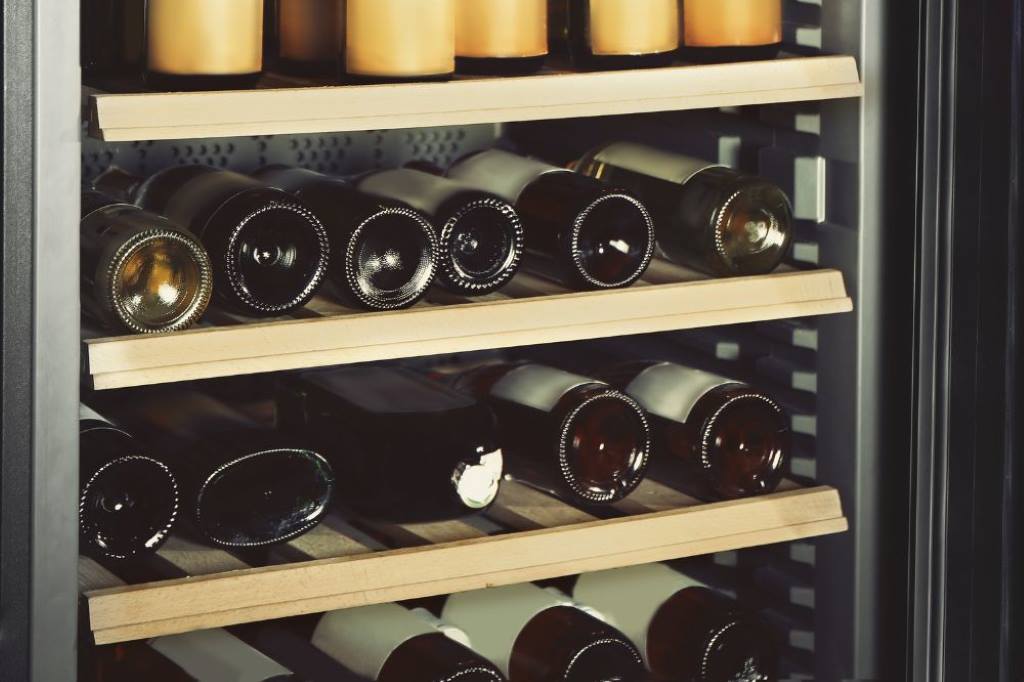
A wine fridge is a game-changer for wine lovers. Unlike a beverage cooler, it’s designed to maintain a stable wine cooler temperature, protecting your investment. Features like LED lighting and UV-resistant glass shield bottles from UV light, which can degrade flavors. Dual-zone wine coolers offer versatility, letting you store red and white wines at their ideal temperatures simultaneously.
My wine collection transformed once I invested in a single-zone refrigerator. The consistent storage temperature brought out the best in my wines, from a crisp rosé to a robust Cabernet Sauvignon. Moreover, wine fridges with storage capacity for dozens of bottles make organizing your wine rack a breeze. For serious collectors, thermoelectric units provide quiet, energy-efficient cooling, mimicking a cellar-like environment without the hefty price tag.
Tips for Optimizing Your Wine Fridge Storage
To get the most out of your wine fridge, follow these practical tips:
- Set Precise Temperatures: Use a temperature control panel to maintain 55°F for reds and 50°F for whites.
- Monitor Humidity: Keep humidity at 50–70% to protect corks and prevent mold.
- Avoid UV Exposure: Choose a wine cooler with UV-resistant glass to block harmful rays.
- Use a Vacuum Stopper Kit: Seal opened bottles to preserve flavor for short-term storage.
- Check Regularly: Use a wine thermometer to ensure consistent storage temperatures.
When I started using these tips, my wine storage game leveled up. My dual-zone fridge now houses my collection perfectly, and I check the temperature in Fahrenheit weekly to avoid surprises. For wines to age, like a fine Pinot Noir, these steps ensure they develop beautifully over time.
Advanced Features to Look for in a Wine Fridge
Modern wine fridges come with features that elevate storage. Digital temperature controls allow precise adjustments, while dual-zone wine coolers cater to diverse collections. A charcoal filter keeps the air clean, preventing odors from affecting your wine. Thermoelectric units are energy-efficient and vibration-free, ideal for delicate wines like sparkling wines.
I recently upgraded to an XO Appliance wine fridge with a dual-zone fridge and LED lighting. The sleek design and reliable temperature in Celsius settings impressed me. For collectors, look for models with a vacuum stopper kit or extra storage capacity. According to Wine Spectator, advanced features like these can extend wine longevity by up to 20%. Investing in a quality wine refrigerator ensures your bottles are ready for any occasion.
How to Maintain Your Wine Fridge for Longevity
Maintaining your wine fridge is crucial for consistent performance. Clean the interior monthly with a damp cloth to prevent mold. Check the charcoal filter every six months and replace it if needed. Ensure proper ventilation by keeping the unit away from walls or heat sources. I neglected this once, and my fridge overheated, causing a temperature swing that affected my rosé wine.
Additionally, calibrate the temperature control panel annually using a wine thermometer. For thermoelectric units, dust the vents to maintain efficiency. These steps keep your wine cooler sleeve in top shape, ensuring a stable wine cooler temperature. Regular maintenance not only protects your wine collection but also extends the life of your appliance, saving you money in the long run.
My Personal Journey with Wine Storage
Years ago, I stored my wine bottles on a basic wine rack in my kitchen, unaware of the damage from temperature fluctuations. My first sip of a spoiled dessert wine was a wake-up call. Investing in a wine fridge changed everything. I started with a single-zone refrigerator, but as my collection grew, I upgraded to a dual-zone wine cooler. The joy of opening a perfectly aged Cabernet Sauvignon made every penny worth it.
This journey taught me the importance of a cellar-like environment. Now, I share my knowledge with friends, helping them avoid my early mistakes. Whether you’re storing a single bottle or a vast wine collection, the right wine fridge storage temperature makes all the difference. It’s a small investment for a lifetime of flavorful sips.
Master Your Wine Fridge for Perfect Sips
Mastering wine fridge storage temperature is like learning the art of winemaking itself—it’s all about precision and care. From setting the ideal temperature for red wine, white wine, or sparkling wine to avoiding common mistakes like temperature swings, a wine fridge ensures your bottles age gracefully. My journey from a spoiled Pinot Noir to a thriving wine collection proves that the right storage environment is worth the effort. Embrace features like digital temperature controls and humidity control to protect your wines. Ready to elevate your wine game? Invest in a quality wine cooler and savor every glass. Share your wine storage tips in the comments or spread this guide to fellow wine lovers!
FAQs
What is the ideal wine fridge storage temperature for red wine?
Red wine thrives at 55–65°F. This range softens tannins and preserves flavors, mimicking a traditional cellar.
Can I store white and sparkling wines in the same fridge?
Yes, use a dual-zone wine refrigerator. Set one zone at 45–55°F for white wine and 40–50°F for sparkling wine.
How does humidity affect wine storage?
Humidity levels of 50–70% prevent corks from drying out or mold growth, ensuring proper aging.
Why should I avoid storing wine in a regular refrigerator?
Regular refrigerators are too cold (around 35°F) and lack humidity control, dulling wine flavors over time.
How often should I check my wine fridge temperature?
Use a wine thermometer weekly to ensure stable storage temperatures and avoid fluctuations.