
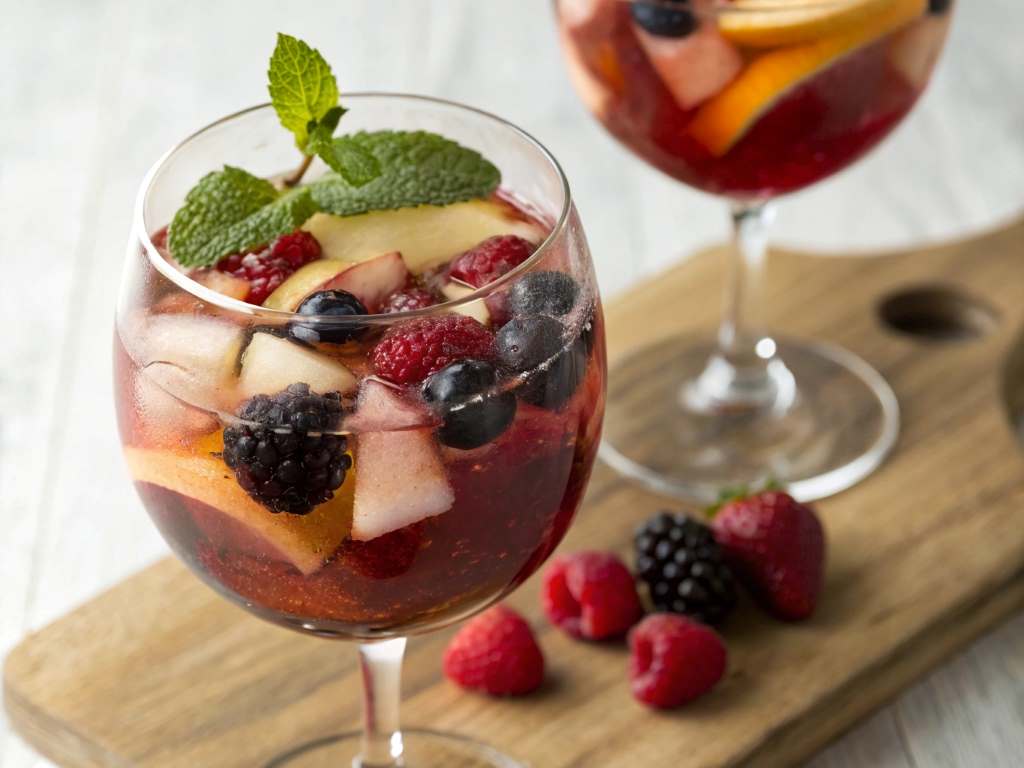
Picture this: a warm summer evening, a glass of chilled wine cocktail in hand, and laughter filling the air. But that sugary sweetness in your drink? It might leave you with more than just a buzz. Healthier alternatives to sugar in wine cocktails can transform your sipping experience, keeping it delicious without spiking your blood sugar. As someone who loves crafting cocktails but wants to stay mindful, I’ve explored natural sweeteners that make every sip guilt-free. This post dives into healthier alternatives to sugar in wine cocktails, sharing practical tips and tasty ideas. Whether you’re hosting a party or enjoying a quiet night, these options will elevate your drink game. Let’s explore how to keep your wine cocktails sweet, healthy, and unforgettable!
Why Swap Sugar in Wine Cocktails?
Sugar in cocktails adds sweetness but comes with downsides. Excessive sugar can lead to health issues like weight gain and diabetes risk. According to a 2020 study by the American Heart Association, added sugars should be limited to 25-36 grams daily. Wine cocktails, often loaded with sugary syrups, can quickly exceed this. Swapping sugar for healthier alternatives in wine cocktails reduces calories and keeps blood sugar stable.
Additionally, natural sweeteners often bring unique flavors that enhance your drink. My first attempt at a sugar-free sangria using honey was a game-changer—guests raved about the rich taste! Healthier alternatives to sugar in wine cocktails not only support wellness but also make your drinks stand out. Let’s explore some top options that balance flavor and health.
Honey: Nature’s Sweet Secret
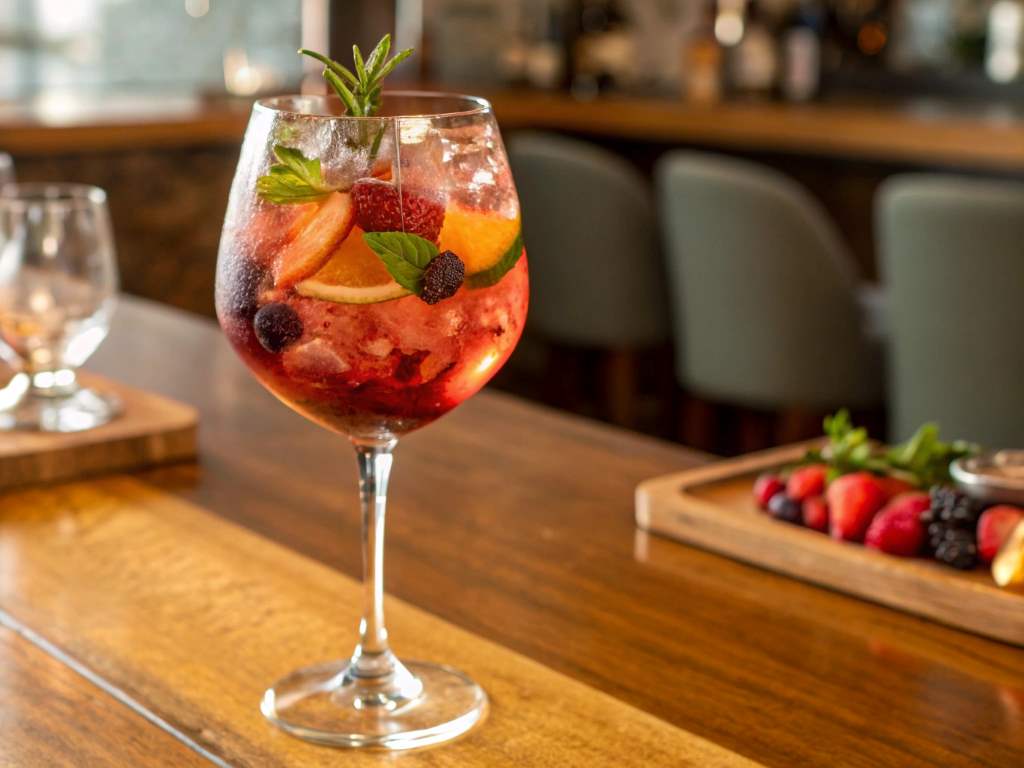
Honey is a fantastic alternative to sugar in wine cocktails. It’s natural, nutrient-rich, and adds a warm, floral note. A 2023 study from the National Institutes of Health highlights honey’s antioxidants, which support heart health. Unlike refined sugar, honey dissolves easily in cold wine, making it perfect for cocktails like a white wine spritzer.
To use honey, mix one part honey with one part warm water to create a syrup. Add it sparingly to your cocktail—start with a teaspoon per glass. I once made a honey-sweetened rosé spritzer for a picnic, and the subtle sweetness paired beautifully with fresh berries. Try local raw honey for unique flavors. It’s a healthier alternative to sugar in wine cocktails that elevates taste and wellness.
Agave Nectar: A Smooth and Subtle Choice
Agave nectar, derived from the agave plant, is another excellent sugar substitute. It’s sweeter than sugar, so you use less, cutting calories. According to a 2021 report by the Journal of Nutrition, agave has a low glycemic index, making it ideal for blood sugar control. Its neutral flavor blends seamlessly into wine cocktails like margarita-inspired wine coolers.
Mix agave nectar directly into your drink or dilute it with water for easier blending. I learned this trick when crafting a sparkling wine cocktail for a friend’s birthday—it was a hit! Use half the amount you’d use for sugar to avoid overpowering the drink. Agave’s smooth sweetness makes it a top healthier alternative to sugar in wine cocktails.
Stevia: The Zero-Calorie Wonder
Stevia, a plant-based sweetener, is a zero-calorie option for wine cocktails. It’s 200 times sweeter than sugar, so a tiny amount goes a long way. A 2022 study in the Journal of Functional Foods notes stevia’s potential to reduce blood sugar spikes. Its slightly herbal taste pairs well with crisp wines like Sauvignon Blanc.
Use liquid stevia drops for easy mixing—two to three drops per glass is enough. I once experimented with stevia in a red wine spritzer, and while it took some tweaking, the result was refreshing. Be cautious not to overdo it, as stevia can taste bitter if overused. This healthier alternative to sugar in wine cocktails is perfect for calorie-conscious sippers.
Fruit Purees: Sweetness from Nature
Fruit purees bring natural sweetness and vibrant flavors to wine cocktails. Fresh fruits like berries, peaches, or mangoes add vitamins and fiber, unlike refined sugar. Blend your chosen fruit, strain if needed, and mix into your cocktail. A 2024 USDA report emphasizes that whole fruits support overall health, making purees a smart choice.
For example, I made a peach puree for a white wine sangria, and it was a crowd-pleaser at a summer barbecue. Use about two tablespoons per glass for balanced sweetness. Pair tart fruits with sweeter wines to avoid clashing flavors. Fruit purees are a delicious, healthier alternative to sugar in wine cocktails that add color and nutrition.
Maple Syrup: A Cozy, Natural Sweetener
Maple syrup, made from maple tree sap, adds a rich, earthy sweetness to wine cocktails. It’s less processed than sugar and contains minerals like zinc. A 2023 study from the University of Vermont found maple syrup has antioxidants that benefit health. Its bold flavor works best in robust cocktails, like a red wine mulled drink.
Dilute maple syrup with water to blend smoothly—try one tablespoon per glass. I used maple syrup in a winter wine punch, and its cozy warmth was perfect for chilly nights. Use it sparingly to avoid overpowering the wine. Maple syrup is a healthier alternative to sugar in wine cocktails that adds depth and charm.
Tips for Perfectly Balanced Wine Cocktails
Crafting wine cocktails with healthier alternatives to sugar requires balance. Start with small amounts of sweetener, as natural options are often more potent than sugar. Taste as you go to avoid overpowering the wine’s flavor. Pair your sweetener with the wine’s profile—honey for crisp whites, agave for sparkling wines, or fruit purees for bold reds.
Experiment with garnishes like fresh herbs or citrus to enhance flavors without adding sugar. I learned this when a mint sprig elevated my stevia-sweetened spritzer. These tricks ensure your cocktails are both tasty and healthy.
Conclusion
Switching to healthier alternatives to sugar in wine cocktails is a game-changer for mindful sipping. Honey, agave, stevia, fruit purees, and maple syrup offer natural sweetness without the guilt. Each option brings unique flavors, making your cocktails memorable and health-conscious. My journey from sugary sangrias to honey-sweetened spritzers taught me that you don’t need refined sugar to create a delicious drink. With these alternatives, you can enjoy every sip while keeping wellness in mind. Try these sweeteners at your next gathering, and let your creativity shine! Share your favorite wine cocktail recipes in the comments or spread the word by sharing this post with fellow cocktail lovers.
FAQs
Why should I use healthier alternatives to sugar in wine cocktails?
Healthier alternatives like honey or stevia reduce calories and blood sugar spikes while adding unique flavors.
How do I use honey in wine cocktails?
Mix one part honey with one part warm water, then add a teaspoon to your cocktail.
Is stevia safe for wine cocktails?
Yes, stevia is a safe, zero-calorie sweetener; use two to three drops per glass for best results.
Can fruit purees replace sugar in all wine cocktails?
Fruit purees work well in most cocktails but pair best with wines that complement their flavors.
Where can I learn more about healthy cocktail recipes?
Visit Wine Enthusiast for recipes or American Heart Association for health tips.