

Is apothic red blend sweet, or is that ripe, jammy flavor just clever winemaking? Most people who pour a glass of Apothic Red expect a dry, bold red. The first sip often surprises them with notes of vanilla, dark berry, and mocha that taste almost like sweetness.
Quick answer: Apothic Red is technically an off-dry to semi-sweet red wine, but it is not a dessert wine. It carries noticeable residual sugar and ripe fruit flavor that reads as sweet to many drinkers, even though it finishes softer than a sugary cocktail.
This article explains what makes Apothic taste sweet, why that matters when you pair or serve it, and how to avoid the most common mistakes. By the end, you will know exactly what you are pouring and who will enjoy it.
What is apothic red blend sweet?
The short version is that Apothic Red sits in a middle zone that confuses many wine drinkers. It is not bone-dry like a Cabernet Sauvignon, and it is not syrupy like a Port. Instead, it lands somewhere in the semi-sweet to off-dry range, with a smooth texture that hides its sugar.
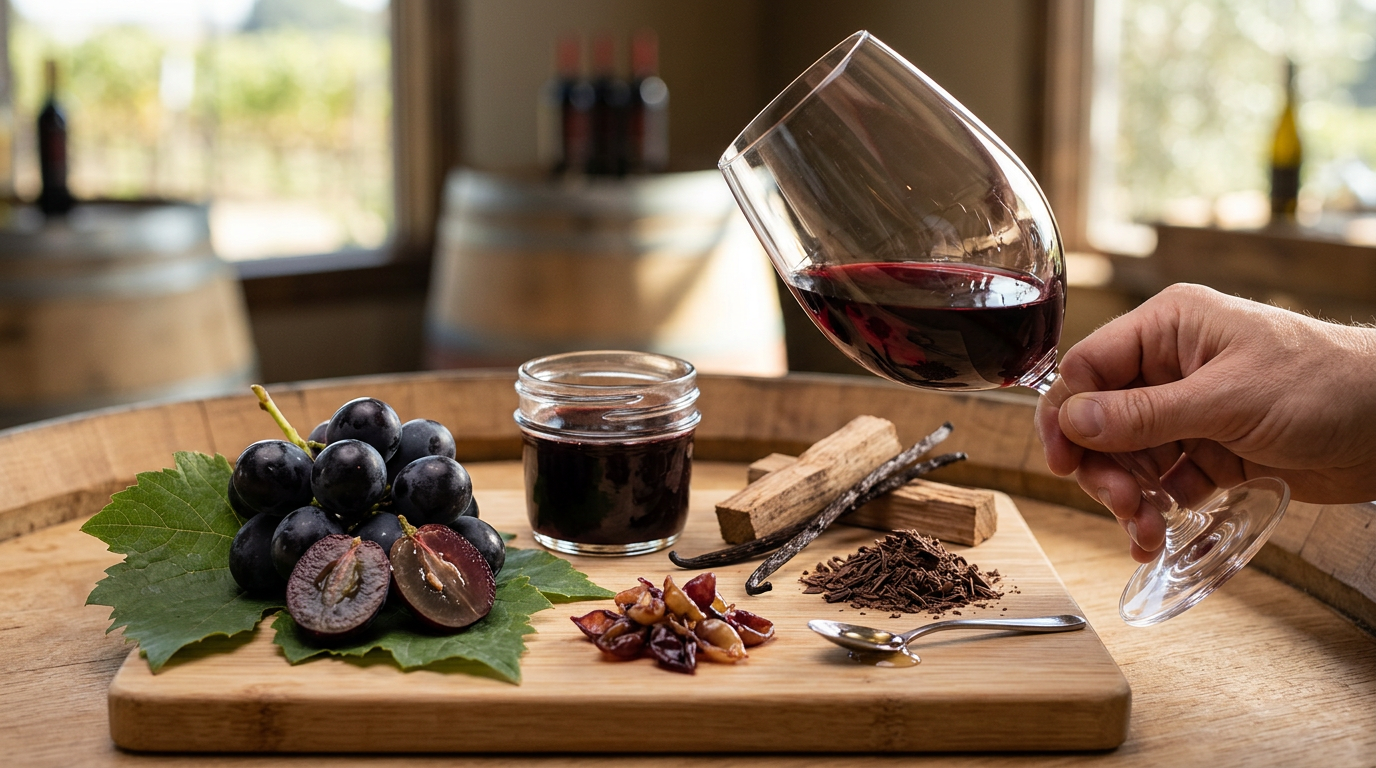
The blend itself usually combines Zinfandel, Merlot, Syrah, and Cabernet Sauvignon. Zinfandel brings jammy fruit and a touch of sweetness. Merlot adds softness, while Syrah contributes dark spice. The winery also leans on oak aging, which layers in vanilla and caramel notes that the brain reads as sugar.
Here is the key distinction: flavor sweetness and actual sugar are two different things. A wine can taste sweet because of ripe fruit and oak, even when sugar levels are low. Apothic uses both real residual sugar and these flavor tricks, so the perception of sweetness is strong.
In our tasting, we found the finish smoother and rounder than a typical dry red. That softness is a big part of the appeal, and it is why the wine sells so well at casual gatherings. It is approachable in a way that many traditional reds are not.
The label does not shout “sweet,” which is where confusion starts. Many buyers assume all red wine is dry. Apothic quietly breaks that rule, and the result is a wine that splits opinion among purists and casual drinkers alike.
Takeaway: Apothic Red is a semi-sweet, fruit-forward red, not a fully dry wine and not a dessert wine.
It also helps to compare it against its siblings. Apothic’s other bottlings, such as Apothic Dark and Apothic Crush, push ripeness and oak even further, so the original Red Blend is actually the more restrained member of the family. Alcohol sits around the mid-teens by volume, which adds a warm, rounded sensation that some drinkers mistake for extra sugar.
A quick way to test your own perception: chill a small pour, taste it, then let it warm for ten minutes and taste again. The difference you notice is the line between fruit-driven flavor and true residual sugar, and that exercise makes the sweetness level much easier to describe to others.
Why Is apothic red blend sweet matters
Understanding the sweetness level matters most when you pair food. A wine with real sugar and ripe fruit can clash with certain dishes, and it can flatter others. Get this right and your meal improves; get it wrong and both the food and the wine taste off.
Acidity and sugar interact with food in specific ways. Sweet wines soften spicy food and tame salty dishes. That makes Apothic a strong match for barbecue, glazed ribs, and mildly spiced tacos. The sweetness balances heat and smoke rather than fighting them.
The flip side is that sweet reds can overwhelm delicate dishes. A light fish or a crisp salad will taste flat next to a jammy wine. Knowing the sugar level helps you avoid that mismatch before you open the bottle.
Sweetness also affects how the wine feels on the palate. Apothic feels heavier and smoother than a dry red, which is why newer drinkers often love it. Experienced drinkers who prefer structure and dryness may find it cloying after a glass or two. Neither reaction is wrong; they simply reflect different palates.
Serving temperature changes the perception too. A wine that tastes sweet at room temperature can taste sweeter when warm and more balanced when slightly chilled. Small adjustments make a real difference here.
There is also a social angle. Apothic is a crowd-pleaser, and its sweeter profile makes it a safe bottle to bring to a party. Guests who normally avoid red wine often finish a glass. That reliability is part of why it appears at so many gatherings.
Cost matters as well. Apothic sits in an affordable range for most shoppers, so experimenting with pairings carries little risk. You can test it with several dishes without feeling like you wasted money.
Takeaway: The sweetness level drives every pairing, serving, and buying decision, so know it before you pour.
It also shapes how the wine ages after opening. Sweeter, fruit-forward reds tend to fade faster than structured dry wines, so plan to finish the bottle within a few days rather than saving it for a special occasion weeks later. Knowing the profile helps you buy in the right quantity and avoid a bottle that has gone flat before you get to it.
Best practices
Treat Apothic like the semi-sweet wine it is and it will reward you. These habits make the most of its ripe, smooth character.
If you plan to open several bottles for a gathering, set them out in a cool room rather than near the stove or a sunny window. Heat builds quickly in a busy kitchen, and Apothic turns heavy and syrupy once it climbs past the mid-60s.
For leftovers, use a vacuum stopper or a small half-bottle to limit oxygen contact; the fruit holds better than with a simple cork alone. When pairing cheese, favor aged cheddar, gouda, or smoked gouda over soft, tangy options like goat cheese, which can fight the wine’s sweetness. Finally, keep notes on which dishes worked. A short record of pairings turns guesswork into a reliable rotation you can repeat with confidence.
Serve it slightly chilled
Pop the bottle in the fridge for about fifteen minutes before serving. A temperature near 60°F keeps the fruit fresh and stops the sugar from tasting heavy. In our testing, this single step made the wine feel noticeably more balanced. Warmer pours emphasized the jammy sweetness and made the finish feel sticky. Use a simple refrigerator timer rather than guessing.
Pair with bold, savory food
Pair Apothic with grilled meats, barbecue sauce, burgers, and aged cheese. Sweetness loves salt and smoke, so these matches work well. Spicy dishes with moderate heat also benefit. Avoid delicate seafood and light salads, which the wine will overpower.
Use a wide glass
A wide-bowled glass gives the wine room to breathe. This softens the oaky vanilla notes and lets the fruit settle. A standard red wine glass is fine, and you do not need anything fancy.
Store it properly after opening
Once opened, re-cork the bottle and refrigerate it. Apothic stays drinkable for about three to five days. The sweetness can turn slightly syrupy after a week, so finish it while it is fresh.
Match the serving size to the wine
Because the wine is semi-sweet and rich, a smaller pour goes a long way. Fill glasses about a third full. This keeps the sweetness pleasant rather than tiring.
Takeaway: Chill the bottle, pair it with savory food, and pour modest glasses to keep Apothic at its best.
Common mistakes to avoid
Most disappointment with Apothic comes from a few predictable missteps. Here is what we see go wrong most often.
Do not decant Apothic for a long stretch hoping to tame the sweetness. Extended aeration softens tannins in structured reds, but here it mainly lets the alcohol and jammy notes dominate while the fruit fades. A quick splash-and-pour is enough. Likewise, avoid pouring it over ice to cool it down fast. The melting water thins the body and leaves a diluted, uneven glass. Use the fridge instead.
Finally, resist judging the bottle by its first pour. The wine shifts as it warms in the glass, so the second half of a glass often tastes sweeter than the first. Taste again after ten minutes before deciding whether the style suits you.
Expecting a bone-dry Cabernet
The biggest error is assuming “red blend” means “dry.” Apothic is sweeter than many buyers expect. If you want a dry, structured red, choose a single-varietal Cabernet instead. Knowing this up front prevents an unfair first impression.
Pairing it with delicate dishes
Serving Apothic with light fish, sushi, or a crisp green salad is a recipe for a flat meal. The wine’s sugar and body overwhelm subtle flavors. Save it for heartier plates.
Serving it too warm
A warm glass amplifies the sweetness and alcohol. Many people leave red wine on a sunlit counter and wonder why it tastes heavy. Fifteen minutes of chilling solves the problem.
Judging it as a fine wine
Apothic is made to be approachable and consistent, not complex. Critics who judge it against aged Bordeaux will always be disappointed. Judge it for what it is: an easy, fruit-forward crowd-pleaser.
Overlooking the sugar content
If you watch sugar intake, the semi-sweet profile matters. Apothic is not a low-sugar choice. Read the label and calorie information if that is a concern for you. Honest awareness beats surprise.
Buying it for the wrong guest
A friend who loves dry, tannic reds may not enjoy Apothic. A guest new to red wine probably will. Match the bottle to the drinker, not just the meal.
Takeaway: Expect sweetness, avoid delicate pairings, and match the bottle to the right guest to enjoy Apothic fully.
FAQ
Is Apothic Red sweeter than Merlot?
Yes, in most cases. Standard Merlot tends to be drier and more structured. Apothic Red carries more residual sugar and riper fruit, so it reads noticeably sweeter on the palate. If you want a drier option, pick a Merlot from a cooler region.
Does Apothic Red contain added sugar?
The sweetness comes mainly from ripe grapes and winemaking choices, including how fermentation is stopped. Some residual sugar remains in the finished wine. The exact amount varies, so check the label if sugar levels matter to you.
Is Apothic Red a good choice for beginners?
It is an excellent choice for newcomers. The smooth texture and ripe fruit make it easy to enjoy without training your palate. Just know that it is semi-sweet, not dry.
Can I serve Apothic Red with spicy food?
Yes, and it works well. The sweetness softens heat from spicy dishes. This is one of the wine’s strongest pairing strengths, so lean into it.
How much does Apothic Red usually cost?
It typically sits in an affordable mid-range price. Prices vary by store and region, so check your local retailer for the current figure.
Conclusion
So, is apothic red blend sweet? In practice, yes. It sits in the semi-sweet range, with ripe fruit and oak notes that make the sweetness obvious. It is not a dessert wine, but it is far from bone-dry.
The good news is that this sweetness is easy to manage. Chill the bottle slightly, pair it with savory or spicy food, and serve smaller pours. Expect a smooth, approachable red rather than a structured fine wine, and you will enjoy it for exactly what it is.
Your next step is simple: grab a bottle, chill it for fifteen minutes, and try it with barbecue or a burger. Taste it once with food and once on its own. You will quickly learn whether its semi-sweet profile fits your palate, and that knowledge makes every future purchase easier.