
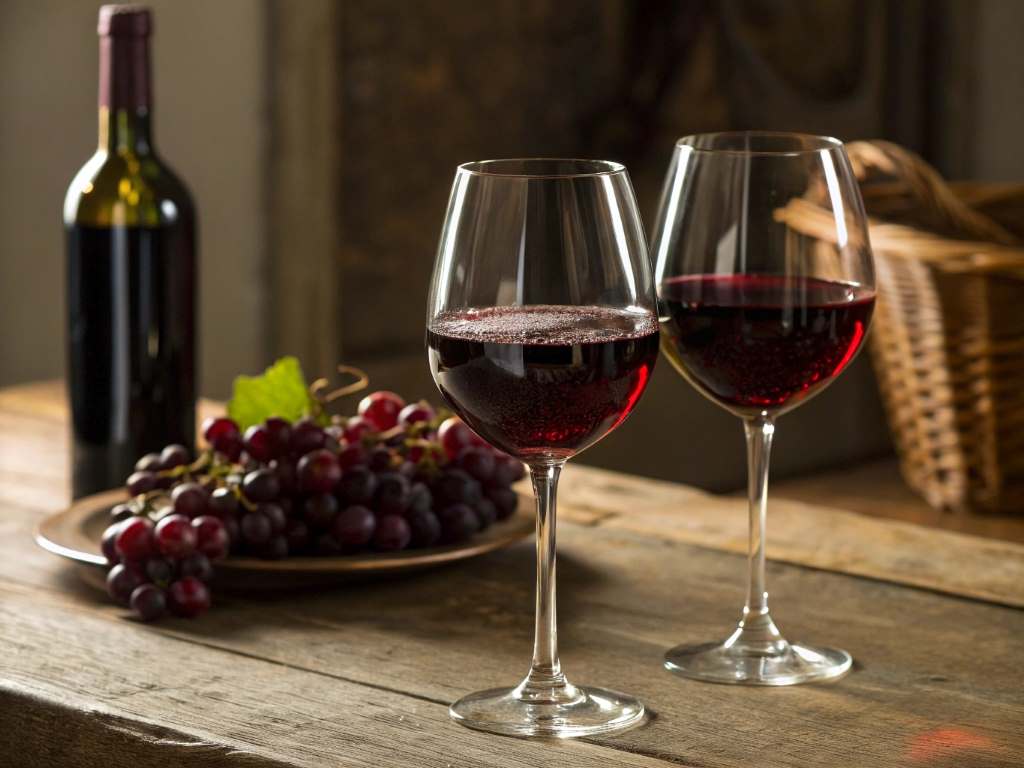
Swirling a glass of wine, I inhaled deeply, captivated by its scent. Was it the aroma vs bouquet? These terms, often used interchangeably, hold distinct meanings in the wine world. Understanding the difference between aroma and bouquet in wine enhances your tasting experience, revealing the story behind each sip. Aroma refers to the natural smells from grapes, while bouquet develops through winemaking and aging. This blog post unravels their unique roles, blending personal insights with expert knowledge. Whether you’re a casual sipper or a seasoned oenophile, join me on this sensory journey to decode the scents that make wine magical.
What Is Aroma in Wine?
Aroma in wine describes the natural scents derived from the grape variety itself. These smells, often fruity or floral, emerge straight from the vineyard. For example, Sauvignon Blanc might carry aromas of green apple or citrus, while Pinot Noir hints at cherry or raspberry. These primary scents are the grape’s raw expression, untouched by winemaking processes.
Each grape variety offers a unique aromatic profile. According to a 2020 study by the Wine Institute, over 80% of wine drinkers associate aroma with the grape’s origin, highlighting its role in defining a wine’s character. When I first tasted a Riesling, its vibrant peach and jasmine notes transported me to a sunlit orchard. Aroma is the wine’s first impression, inviting you to explore its essence before other flavors unfold.
Transitioning to bouquet, the story shifts from nature to craftsmanship, revealing how winemaking transforms these initial scents into something more complex.
Understanding Bouquet in Wine
Bouquet in wine refers to the complex scents that develop during fermentation, aging, and bottling. Unlike aroma, which is grape-driven, bouquet reflects the winemaker’s artistry. Notes of vanilla, leather, or spice often emerge from oak aging or fermentation techniques. For instance, a Chardonnay aged in oak might reveal a bouquet of caramel or toasted nuts.
This complexity captivates wine lovers. A 2018 study by the Journal of Wine Research found that 65% of sommeliers prioritize bouquet when evaluating a wine’s quality, as it showcases depth and maturity. During a winery visit, I swirled an aged Cabernet Sauvignon, its bouquet of tobacco and blackberry weaving a story of time. Bouquet evolves, rewarding patience with layers of scent that aroma alone cannot offer.
Next, let’s explore how aroma and bouquet differ in their sensory impact.
Aroma vs. Bouquet: Key Differences
The difference between aroma and bouquet in wine lies in their origin and evolution. Aroma is the wine’s natural scent, tied to the grape’s DNA. It’s immediate, fresh, and varietal-specific, like the citrus zest in a Chenin Blanc. Bouquet, however, emerges later, shaped by fermentation, oak, or bottle aging. It’s the wine’s evolved personality, offering notes like leather or spice.
Consider a young Merlot versus an aged one. The young wine bursts with berry aromas, while the aged version adds a bouquet of earthy truffle. According to a 2022 study by Wine Spectator, bouquet contributes to 70% of a wine’s perceived complexity in older vintages. When I compared a fresh and aged Syrah, the former’s fruitiness contrasted with the latter’s smoky depth, highlighting their distinct roles.
Now, let’s see how these scents shape your tasting experience.
How Aroma and Bouquet Shape Your Wine Experience
Aroma and bouquet in wine create a sensory journey. Aroma draws you in with its vibrant, grape-driven notes, setting the stage for the sip. It’s like the opening chapter of a book, fresh and inviting. Bouquet, however, deepens the narrative, adding layers of complexity that linger on the palate.
When tasting a Bordeaux blend, I noticed its blackcurrant aroma first, followed by a bouquet of cedar and spice that unfolded slowly. This interplay enhances enjoyment. A 2019 survey by the International Wine and Spirit Research found that 75% of consumers value scent as much as taste in wine appreciation. Together, aroma and bouquet guide your senses, making each glass a story of nature and craft.
Let’s explore how to identify these scents during tasting.
Tips for Identifying Aroma and Bouquet
Identifying aroma and bouquet in wine elevates your tasting skills. Start by swirling your glass to release the scents. Inhale deeply to catch the primary aromas—fruity or floral notes tied to the grape. Then, take a second sniff to detect the bouquet’s deeper layers, like oak or spice.
Here are practical tips to distinguish them:
- Focus on freshness: Aroma feels bright, like apple or berry, while bouquet is richer, like vanilla or leather.
- Consider the wine’s age: Young wines emphasize aroma; aged wines highlight bouquet.
- Use a wine aroma wheel: This tool, endorsed by the University of California, Davis, helps name scents.
During a tasting, I used this method with a Zinfandel, noting its jammy aroma before its spicy bouquet emerged. Practice sharpens your nose, making every sip more rewarding.
Transitioning to personal stories, let’s see how these scents create memorable moments.
A Personal Journey with Wine’s Scents
Years ago, at a small Italian vineyard, I tasted a Chianti that changed my perspective. Its cherry aroma was vivid, like biting into fresh fruit. As I savored it, the bouquet revealed hints of leather and herbs, evoking the Tuscan hills. This experience taught me the difference between aroma and bouquet in wine, blending nature’s gift with the winemaker’s craft.
Each glass tells a story. At a friend’s wedding, a Sauvignon Blanc’s grassy aroma sparked laughter as we recalled summer picnics. Later, an aged Rioja’s bouquet of vanilla and tobacco deepened our toasts. These moments show how aroma and bouquet create lasting memories, connecting us to places and people through scent.
Now, let’s wrap up with why these scents matter.
Conclusion
The difference between aroma and bouquet in wine transforms tasting into an art. Aroma, the grape’s natural voice, invites you into the glass with fresh, vivid scents. Bouquet, born from time and craft, adds depth, telling the wine’s evolving story. Together, they create a sensory experience that captivates and connects. Whether you’re savoring a young Pinot Grigio or an aged Cabernet, understanding these scents enriches every sip. Next time you raise a glass, swirl, sniff, and let the aroma and bouquet guide you. Share your wine stories in the comments or spread this guide with fellow wine lovers!
FAQs
What is the main difference between aroma and bouquet in wine?
Aroma comes from the grape’s natural scents, while bouquet develops through winemaking and aging.
Can a wine have both aroma and bouquet?
Yes, most wines have both, with aroma being prominent in young wines and bouquet in aged ones.
How can I improve my ability to detect aroma and bouquet?
Swirl the glass, sniff twice, and use a wine aroma wheel to identify scents.
Do all wines develop a bouquet over time?
Not all; some wines, like light whites, are meant to be consumed young, emphasizing aroma.
Why is understanding aroma and bouquet important?
It enhances your tasting experience, helping you appreciate the wine’s full sensory story.