Wine labels can be a puzzle, offering a mix of useful details and clever marketing. They reveal key facts about the wine’s origin, grape variety, and vintage, but some information stays hidden, leaving consumers guessing. This blog post explores what wine labels tell you and what they don’t, helping you make informed choices. Whether you’re a casual drinker or a seasoned enthusiast, understanding labels unlocks a better wine experience. Let’s dive into the details, decode the jargon, and uncover the secrets behind the bottle.
Decoding Essential Wine Label Information
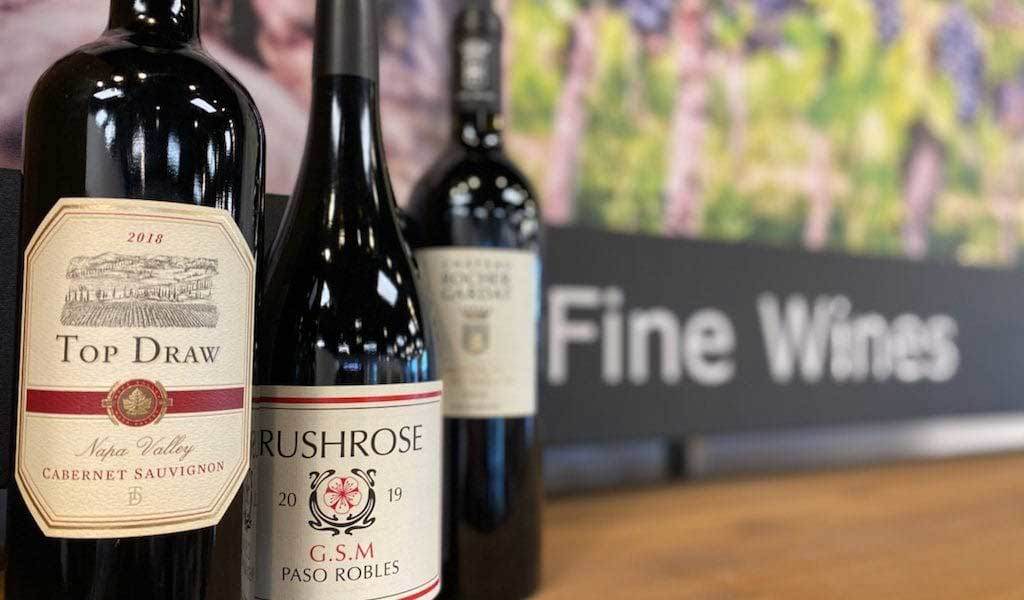
Wine labels provide critical details, but they require some know-how to interpret. The most prominent information includes the winery name, grape variety, vintage, and region. For example, a label stating “Napa Valley Cabernet Sauvignon 2020” tells you the wine is made from Cabernet Sauvignon grapes, grown in California’s Napa Valley, and harvested in 2020. These details help you gauge the wine’s style and quality. According to a 2021 study by the Wine Institute, 78% of U.S. wine consumers rely on labels for purchase decisions, yet many misinterpret terms like “reserve” or “estate.”
Additionally, labels often list alcohol content, typically between 12-15% for table wines, and the country of origin. Some include certifications like “organic” or “biodynamic,” which indicate sustainable practices. However, these terms can be vague without context. My first wine purchase was a confusing experience—I picked a bottle based on its fancy label, only to find it too sweet for my taste. Knowing what to look for can prevent such missteps and enhance your enjoyment.
Understanding Grape Variety and Blends
Grape variety is a cornerstone of wine identity, often displayed prominently on labels. Varieties like Chardonnay, Merlot, or Pinot Noir indicate the primary grape used, shaping the wine’s flavor profile. For instance, Chardonnay often offers apple or citrus notes, while Merlot leans toward plum and cherry. In the U.S., a wine labeled as a single variety must contain at least 75% of that grape, per the Alcohol and Tobacco Tax and Trade Bureau (TTB).
Blends, however, complicate things. Labels may list multiple grapes, like a Cabernet-Merlot blend, or use terms like “red blend” without specifics. This vagueness can hide the exact proportions, leaving you uncertain about the taste. When I tried a “red blend” at a dinner party, I expected bold flavors but got a lighter, fruitier wine. Checking the winery’s website or asking a sommelier can clarify blends, ensuring the wine matches your preferences.
Decoding Vintage and Its Importance
The vintage year on a wine label indicates when the grapes were harvested. It’s a clue to the wine’s age and potential quality, as weather conditions affect grape quality. For example, a 2018 Bordeaux might reflect a warm, ideal growing season, producing rich flavors. However, non-vintage (NV) wines, common in sparkling varieties like Champagne, blend grapes from multiple years for consistency.
Not all labels emphasize vintage, and some wines, like budget brands, may omit it entirely. This can hide variations in quality. I once bought a non-vintage wine, assuming it was recent, only to learn it was a blend of older, less vibrant grapes. Checking vintage helps you assess freshness, especially for whites, which are best consumed within a few years. For more details, the University of California, Davis Viticulture Department offers excellent resources on vintage variations.
Regional Indications and Their Meaning
Wine regions, like Tuscany or Sonoma, signal quality and style. Labels often highlight appellations—specific geographic areas with strict production rules. For instance, a “Chianti Classico” label means the wine comes from a designated part of Tuscany and follows Italy’s DOCG regulations. These rules ensure authenticity but don’t guarantee taste preference.
Some labels use broad terms like “California” instead of a specific appellation, which may indicate lower quality or blended grapes from multiple areas. When I visited a vineyard in Oregon, the winemaker explained how microclimates in Willamette Valley shape their Pinot Noir’s unique earthy notes. Understanding regional terms helps you predict flavor and quality. Check authoritative sources like the TTB website for detailed appellation rules.
Hidden Details Labels Don’t Reveal
Wine labels often omit critical details, leaving consumers in the dark. For example, they rarely disclose exact winemaking techniques, like oak aging or malolactic fermentation, which affect flavor. Terms like “reserve” or “special selection” sound impressive but lack legal definitions in many regions, serving as marketing tools. A 2020 report by the American Association of Wine Economists found 65% of consumers overestimate the quality of “reserve” wines due to vague labeling.
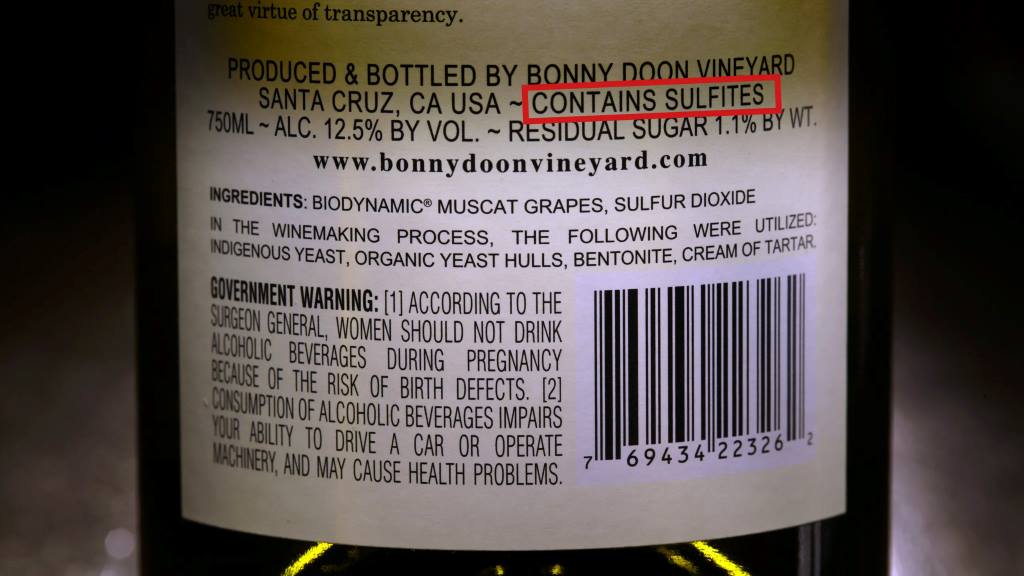
Sulfite content is another hidden factor. While labels must note “contains sulfites” if above 10 ppm, they don’t specify levels, which can impact taste or health for sensitive individuals. I once gifted a “reserve” wine, only to learn it was a basic blend with a fancy name. Digging into winery websites or contacting producers can reveal these hidden truths, ensuring you get what you expect.
Tips for Smarter Wine Label Reading
Reading wine labels effectively takes practice. Here are practical tips to guide you:
- Check the grape variety: Ensure it matches your taste preference, like bold Cabernet or crisp Sauvignon Blanc.
- Verify the vintage: Opt for recent years for fresh whites, older for complex reds.
- Research the region: Specific appellations often indicate higher quality than broad terms.
- Look beyond buzzwords: Terms like “reserve” may not guarantee quality—check winery details.
- Use apps: Tools like Vivino scan labels and provide reviews or tasting notes.
These steps simplify label decoding. When I started using wine apps, I avoided overhyped bottles and found gems that suited my palate. Experimenting with these tips can transform your wine-buying experience.
Common Mistakes to Avoid When Reading Labels
Misreading wine labels can lead to disappointment. Here are common pitfalls and how to dodge them:
- Assuming “reserve” means premium: It’s often just marketing—verify with winery info.
- Ignoring alcohol content: Higher percentages (14%+) suggest bolder flavors, which may not suit all.
- Overlooking non-vintage wines: NV wines prioritize consistency, not age or complexity.
- Misjudging broad regions: A “California” label may include lower-quality grapes from multiple areas.
I once bought a high-alcohol wine, expecting a light sip, and was overwhelmed by its intensity. Checking labels carefully prevents such errors. For reliable insights, visit the Wine Institute’s consumer guides.
Why Understanding Labels Enhances Your Wine Experience
Mastering wine labels empowers you to choose bottles that match your taste and budget. Labels reveal the grape, region, and vintage, guiding you to wines you’ll enjoy. However, hidden details like winemaking techniques or marketing terms can mislead. By focusing on key information and avoiding common mistakes, you gain confidence in your selections. My journey from label confusion to informed choices has made wine tasting more enjoyable, and I hope this guide does the same for you.
Next time you’re shopping for wine, use these tips to decode labels and uncover their secrets. Share your favorite wine discoveries or label-reading tips in the comments below, or spread this article to help others sip smarter!
FAQs
What does “reserve” mean on a wine label?
It suggests higher quality but often lacks legal definition. Check winery details for clarity.
Why is vintage important on wine labels?
Vintage shows the harvest year, indicating age and quality influenced by weather conditions.
How do I know if a wine is organic?
Look for “certified organic” or “biodynamic” on the label, indicating sustainable practices.
What’s the difference between a blend and a single-variety wine?
Single-variety wines use at least 75% of one grape; blends combine multiple grapes.
Can I trust broad region labels like “California”?
Broad regions may include mixed-quality grapes. Specific appellations often signal better quality.