
Few hobbies combine passion, sophistication, and potential financial reward like wine collecting. In California, the heart of America’s wine country, the opportunity to start a beginner wine collection is as rich as the state’s vineyards themselves. With over 4,000 wineries and a climate that produces some of the world’s finest wines, California offers an unparalleled environment for aspiring collectors. According to a 2024 report by Wine Spectator, the number of wine collectors in California has grown by 20% in the past five years, driven by the state’s thriving wine culture and accessible expertise. Whether you’re drawn to the artistry of winemaking or the allure of wine as an investment, this guide will help you navigate the exciting world of wine collecting California with confidence and clarity.
Why California is the Perfect Place to Start Wine Collecting
California’s reputation as a global wine leader makes it an ideal place for beginners to dive into wine collecting. The state produces over 80% of all U.S. wine, with regions like Napa Valley, Sonoma County, and Santa Barbara offering world-class varieties. Additionally, California’s diverse microclimates allow for the production of a wide range of wines, from bold Cabernet Sauvignons to crisp Chardonnays and unique Rhône blends.
A 2023 study by the Wine Market Council found that California wines account for nearly 60% of all wine collected in the U.S. This dominance is due to the state’s consistent quality, innovation, and the prestige of its wineries. Therefore, starting a beginner wine collection in California means access to some of the best wines in the world, right in your backyard.
Step 1: Define Your Collecting Goals
Collecting for Passion
If your primary motivation is a love for wine, focus on collecting bottles that bring you joy. Explore different regions, varietals, and vintages to discover what you enjoy most. California’s vast offerings allow you to experiment with everything from a buttery Napa Valley Chardonnay to a spicy Paso Robles Syrah.
Additionally, consider joining local wine clubs or attending tastings at wineries like Domaine Carneros or Ridge Vineyards. These experiences will deepen your appreciation and help you refine your palate.
Collecting for Investment
If you’re interested in wine as an asset, approach your collection with a strategic mindset. Focus on wines with a proven track record of appreciation, such as cult Cabernet Sauvignons from Napa Valley or limited-edition releases from Sonoma’s most prestigious wineries. According to the Liv-ex Fine Wine 100 Index, California wines have shown steady growth in value, making them a smart choice for a wine investment guide.
However, keep in mind that wine investment requires patience and research. Consult experts or use platforms like Vinfolio or WineBid to track market trends and auction prices.
Step 2: Educate Yourself on Wine Basics
Understand Wine Regions and Varietals
California’s wine regions each have their own unique characteristics. Napa Valley is renowned for its Cabernet Sauvignon, while Sonoma County excels in Pinot Noir and Zinfandel. The Central Coast, including Santa Barbara and Paso Robles, is known for its Rhône varietals and cool-climate Chardonnays.
Additionally, familiarize yourself with the concept of terroir—the combination of soil, climate, and geography that gives wine its distinct flavor. Understanding terroir will help you appreciate the nuances of different California wines.
Learn About Vintages
The vintage, or year the grapes were harvested, significantly impacts a wine’s quality and aging potential. In California, some vintages are considered exceptional due to ideal weather conditions. For example, the 2012, 2013, and 2016 vintages in Napa Valley are highly regarded for their balance and depth.
Research vintage charts from reputable sources like Wine Advocate or Wine Enthusiast to guide your purchases. This knowledge is essential for both enjoyment and investment purposes.
Step 3: Build Your Collection Strategically
Start Small and Focus on Quality
As a beginner, it’s easy to get carried away with the excitement of wine collecting California. However, it’s wise to start small and focus on quality over quantity. Aim to acquire 10 to 20 bottles that represent a variety of regions, varietals, and price points. This approach allows you to explore different styles while building a foundation for your collection.
Additionally, consider purchasing wines in multiples. Buying three to six bottles of the same wine allows you to enjoy some now and cellar the rest for future tasting or investment.
Diversify Your Collection
Diversification is key to a well-rounded beginner wine collection. Include a mix of reds, whites, and sparkling wines from different California regions. For example, pair a bold Napa Valley Cabernet with a crisp Sonoma Coast Chardonnay and a sparkling wine from Anderson Valley.
Additionally, consider adding a few international bottles to your collection. While the focus is on California, comparing local wines with those from Bordeaux or Burgundy can deepen your understanding and appreciation.
Step 4: Invest in Proper Storage
Temperature and Humidity Control
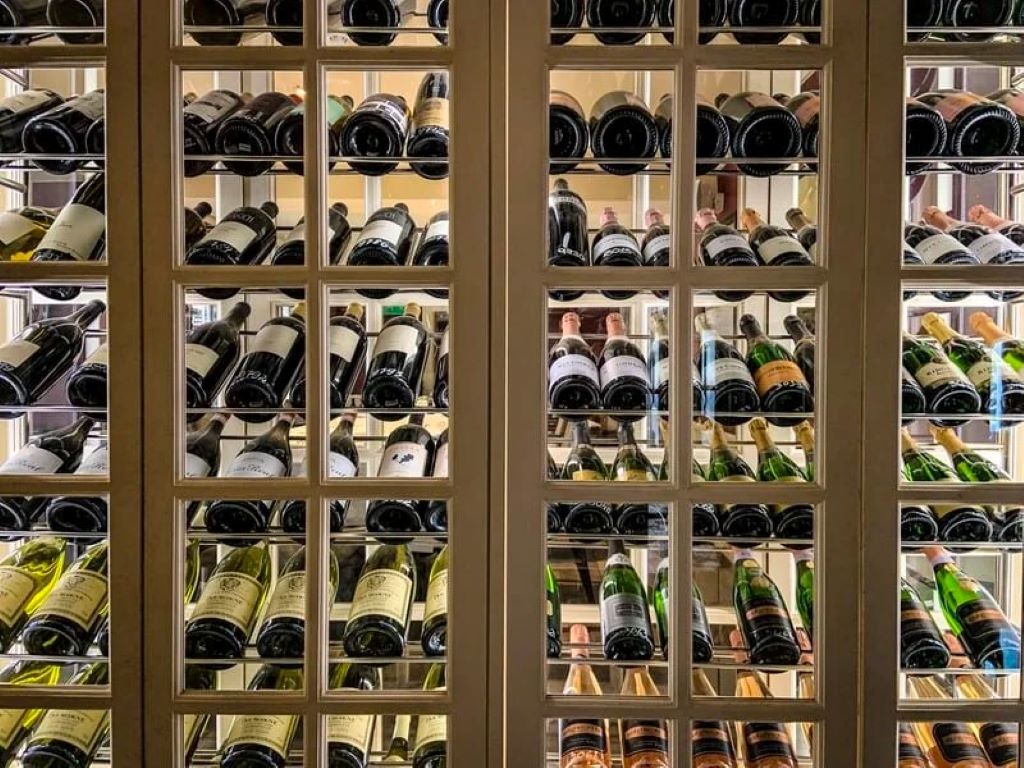
Proper storage is crucial for preserving the quality and value of your wines. The ideal temperature for storing wine is between 45°F and 65°F, with 55°F being optimal. Humidity levels should be maintained at 50% to 80% to prevent corks from drying out.
In California, where temperatures can vary, consider investing in a wine refrigerator or a dedicated wine cellar. Companies like EuroCave and Vinotemp offer a range of options to suit different budgets and spaces.
Light and Vibration
Wine is sensitive to light, particularly sunlight, which can degrade its quality over time. Store your bottles in a dark place or use UV-protective glass if displaying them. Additionally, minimize vibration, as it can disturb the sediment in older wines and affect their aging process.
Step 5: Source Your Wines Wisely
Local Wineries and Tasting Rooms
One of the greatest advantages of wine collecting California is the ability to purchase directly from wineries. Visiting tasting rooms in Napa, Sonoma, or Santa Ynez Valley allows you to sample wines before buying and often secure exclusive releases or discounts.
Additionally, many wineries offer wine club memberships, which provide access to limited-production bottles and special events. This is a great way to build your collection while enjoying unique experiences.
Retailers and Online Platforms
For a broader selection, explore reputable wine retailers like K&L Wines, Zachys, or Total Wine & More. These stores often have knowledgeable staff who can offer guidance tailored to your preferences and budget.
Online platforms like Wine.com and Astor Wines & Spirits provide convenience and access to rare finds. Additionally, auction sites like Zachys Auctions and Sotheby’s Wine can be valuable resources for acquiring older vintages or investment-grade wines.
Professional Tips for Beginner Wine Collectors
- Set a Budget: Determine how much you’re willing to spend on your collection and stick to it. Wine collecting can become expensive, so having a budget helps you stay on track.
- Keep Detailed Records: Maintain a spreadsheet or use an app like CellarTracker to document your collection. Include details like the wine’s name, vintage, purchase date, price, and tasting notes.
- Attend Wine Events: California hosts numerous wine festivals, tastings, and auctions throughout the year. Events like the Napa Valley Wine Auction or the Sonoma Valley Wine Auction offer opportunities to taste rare wines and network with other collectors.
- Join a Wine Club: Many wineries and retailers offer wine clubs that provide members with exclusive access to new releases, discounts, and educational resources.
- Be Patient: Wine collecting is a long-term hobby. Some wines may need years or even decades to reach their peak. Enjoy the journey and the process of discovering new favorites.
Top California Wines for Beginners
- Napa Valley Cabernet Sauvignon: A bold, full-bodied red with notes of blackcurrant, plum, and spice. Look for producers like Caymus, Opus One, or Stag’s Leap Wine Cellars.
- Sonoma Coast Pinot Noir: A lighter, elegant red with flavors of cherry, raspberry, and earth. Try wines from Kosta Browne or Williams Selyem.
- Santa Barbara Chardonnay: A crisp, balanced white with hints of apple, pear, and vanilla. Seek out bottles from Au Bon Climat or Brewer-Clifton.
- Paso Robles Rhône Blends: Spicy, complex reds made from Grenache, Syrah, and Mourvèdre. Tablas Creek Vineyard and Ridge Vineyards are excellent choices.
- Anderson Valley Sparkling Wine: A refreshing, bubbly option perfect for celebrations. Roederer Estate and Scharffenberger Cellars produce outstanding sparkling wines.
Reviews from Real Collectors
Many beginners have found success and joy in wine collecting California. One collector from San Francisco shared how joining a local wine club helped her discover a passion for Sonoma Coast Pinot Noirs. She now focuses on collecting limited-edition bottles from small, family-owned wineries.
Another collector from Los Angeles started his journey by attending tastings in Napa Valley. He now has a diverse collection that includes both California classics and international gems. These reviews highlight the accessibility and rewards of starting a beginner wine collection in California.
Related Topics:
7 FAQs About Starting a Wine Collection in California
- How much should I spend on my first wine collection?Start with a budget that feels comfortable for you. You can begin with as little as $500 to $1,000 to acquire a diverse selection of quality California wines.
- What are the best California wines for beginners?Napa Valley Cabernet Sauvignon, Sonoma Coast Pinot Noir, and Santa Barbara Chardonnay are excellent starting points. These wines offer a great introduction to California’s diversity.
- How do I know if a wine is a good investment?Look for wines with a proven track record of appreciation, such as cult Cabernets or limited-edition releases. Consult vintage charts and market trends for guidance.
- Do I need a wine cellar to start collecting?While a wine cellar is ideal, you can start with a wine refrigerator or a cool, dark closet. Proper storage is essential for preserving quality and value.
- Where can I buy wine for my collection in California?Purchase directly from wineries, local retailers, or online platforms. Wine clubs and auctions are also great sources for rare and exclusive bottles.
- How long can I age California wines?The aging potential varies by wine. Most California Cabernet Sauvignons can age for 10 to 20 years, while many Chardonnays are best enjoyed within 5 to 10 years.
- What resources can help me learn more about wine collecting?Books like The Wine Bible by Karen MacNeil and Wine Folly: The Essential Guide to Wine by Madeline Puckette are excellent starting points. Additionally, online forums and local wine clubs offer valuable insights and support.
Conclusion
Starting a beginner wine collection in California is an exciting and rewarding endeavor. By defining your goals, educating yourself on the basics, and building your collection strategically, you can create a portfolio that brings you joy and potentially grows in value. California’s unparalleled access to world-class wines, expert knowledge, and vibrant wine culture makes it the perfect place to begin your journey.
Don’t wait to start exploring the world of wine collecting California. Visit local wineries, attend tastings, and connect with fellow collectors to deepen your passion. Whether you’re collecting for pleasure or investment, the Golden State offers endless opportunities to indulge in this timeless hobby. Start your collection today and raise a glass to the adventure ahead.